Patna: Bihar is preparing to revamp its Dial 112 emergency police assistance system, with plans to immediately alert district Superintendents of Police (SPs) and Sub-Divisional Police Officers (SDPOs) when an incident or emergency is reported.

The Emergency Response Support System (ERSS) is preparing to provide tablets to SPs and DSPs across districts. The system’s server is also being upgraded to support the expanded monitoring mechanism.
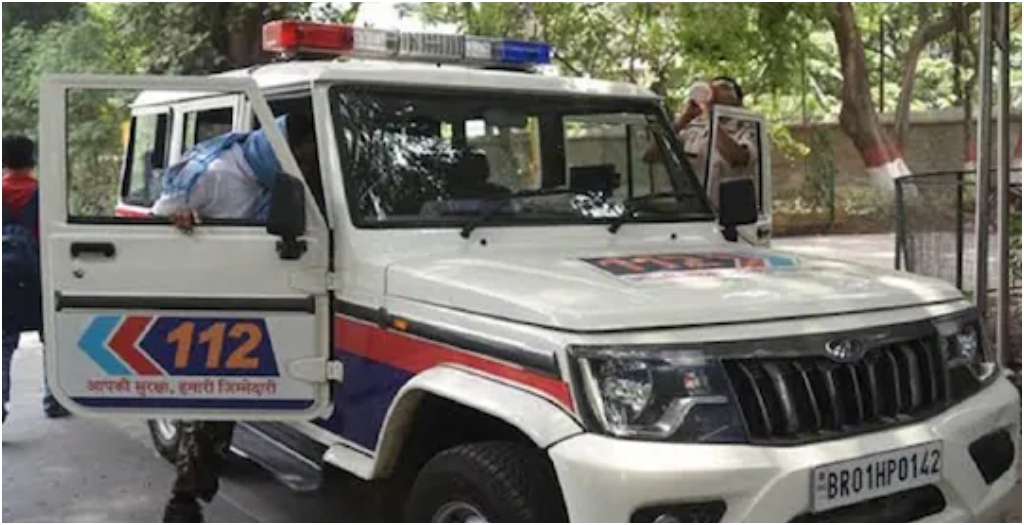
At present, a Dial 112 complaint is routed to the nearest 112 vehicle based on the complainant’s location, with details also shared with the local Station House Officer (SHO).

Under the proposed system, the incident alert will also reach the concerned SP and SDPO.
Real-Time Tracking Of 112 Vehicles
District SPs will be able to view the real-time location of 112 vehicles operating in their jurisdiction.
The system will allow senior officers to monitor whether vehicles are patrolling, stationary for an extended period or moving towards an incident location after receiving an emergency call.
Officials will also be able to check whether the assigned vehicle has actually departed for the reported incident. If a vehicle fails to reach the location or faces technical or other difficulties, senior officers can coordinate with the concerned personnel.
District Coordination Centres Planned
Bihar also plans to establish Dial 112 District Coordination Centres in every district. These centres are expected to be staffed by DSP-rank officers.
The officers will monitor Dial 112 incidents and verify whether the designated emergency vehicle was dispatched after receiving the alert.
The centres will coordinate with officials at the district, sub-divisional and police station levels to address issues affecting emergency response.
Dedicated ERSS Force Proposed
A proposal has also been submitted to Police Headquarters for creating a dedicated police force for the ERSS.
The proposal includes 40 DSPs, 6,000 inspectors and assistant sub-inspectors, 17,000 constables and 5,500 drivers.
Preparations to expand the emergency response system are expected to proceed after the proposal is processed.
Government Buses May Be Linked To Dial 112
The ERSS is also working on integrating government buses with Dial 112.
State-run buses are equipped with four panic buttons — one near the driver and three near passenger seats. At present, pressing a button triggers an alarm at the relevant command centre, following which the bus manager is contacted.
The manager then contacts the driver or conductor and, if required, informs the local police station.
The ERSS has submitted a proposal to the Transport Department to connect the panic button system directly with Dial 112.
If approved, pressing a panic button would send the bus’s location and alarm signal directly to the Dial 112 system, allowing the nearest emergency vehicle to be dispatched when necessary.
‘Police Didi’ Integration Planned
Authorities are also preparing to integrate ‘Police Didi’ personnel with Dial 112.
These personnel monitor schools, colleges, coaching centres and areas with a high concentration of women. Under the proposed arrangement, they would receive special emergency devices to facilitate coordination with police services.
Highway And Railway Helplines To Be Integrated
Plans are also underway to link the Ministry of Road Transport and Highways’ 1033 helpline with Dial 112.
The Railways’ 139 helpline is also proposed to be integrated with the system to facilitate emergency police assistance for railway passengers.
Single Platform For Emergency Alerts
The broader objective is to bring emergency alerts received through different channels onto a unified platform.
Once the proposed integrations are implemented, alerts could be routed to the nearest police team according to the nature and location of the incident.
The planned changes would give district-level officers a more centralised view of emergency calls, vehicle deployment and response activity under Bihar’s Dial 112 system.