Patna: Doctors working in government medical college hospitals across Bihar have been instructed to write prescriptions clearly, legibly and in capital letters, and to prescribe only generic medicines, under a new directive issued by the National Medical Commission (NMC).

The order, which takes immediate effect, applies to all government medical colleges in the state, including Patna Medical College and Hospital, All India Institute of Medical Sciences, Patna, Nalanda Medical College and Hospital and Indira Gandhi Institute of Medical Sciences. Officials said the directive would soon be extended to district hospitals and other government health institutions.
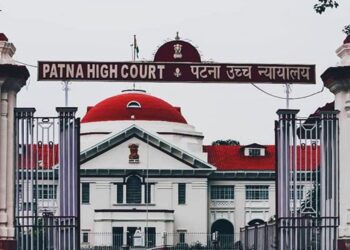
The NMC’s move follows observations and directions issued by the high courts of Punjab and Haryana and several other states, which raised concerns about patient safety risks arising from illegible prescriptions and the routine use of branded medicines. All medical college hospitals have now received written instructions to enforce the new norms.

Under the directive, doctors are required to ensure that the names of medicines are written in a manner that can be easily read and understood by patients, pharmacists and healthcare staff. Illegible or unclear handwriting, the commission said, would no longer be acceptable. The emphasis on capital letters is intended to eliminate ambiguity and reduce the risk of dispensing errors.
The NMC has also reiterated that only generic medicines should be prescribed. Any complaint regarding the use of branded drugs will be investigated, and action will be taken against the concerned doctor or institution if violations are found.
The commission has asked institutions to hold periodic meetings to assess adherence to the guidelines. Officials said the changes are aimed at improving patient convenience, ensuring access to affordable medicines and significantly reducing the scope for medication errors in busy public hospitals.
Healthcare experts say the directive marks another step towards standardising clinical practices in India’s public health system, where unclear prescriptions have long been a source of confusion and risk for patients.