Patna: As Bihar welcomed the New Year, its only tiger reserve—Valmiki Tiger Reserve (VTR) in West Champaran—witnessed an unprecedented surge in tourist footfall, marking a major milestone for wildlife tourism in the state. While the reserve typically attracts 8,000 to 10,000 visitors per month, officials recorded a staggering 70,000 tourists on January 1 alone, including a growing number of foreign visitors.

With winter intensifying, the scenic blend of dense forests, flowing rivers, Terai landscapes and rolling hills has drawn tourists seeking both adventure and tranquillity. The pleasant chill, combined with mist-covered mornings, has turned VTR into one of eastern India’s most sought-after eco-tourism destinations this season.
Located in West Champaran district, Valmiki Tiger Reserve has traditionally been viewed as a local picnic or state-level tourism spot. However, this New Year marked a shift. The reserve is increasingly positioning itself as an international eco-tourism experience, offering bamboo cottages, forest stays and immersive wildlife encounters. Forest authorities implemented special New Year arrangements, including additional safari slots, extra guides and heightened security, to manage the record-breaking crowds while maintaining ecological balance.

Forest Officer Vikas Rao said the focus remains on sustainable tourism. “We are promoting eco-tourism and had prepared a special crowd management plan for New Year. Additional guides, security staff and safari slots were arranged. Nearby hotels and lodges also offered special packages, including bonfires, local Tharu dance performances and limited fireworks,” he said.
Local businesses benefitted from the surge as well. Restaurant owner Manoj Yadav said food menus were expanded to reflect regional diversity. “Along with Bihari litti-chokha, we added Nepali momos and local fish curry. The crowd was nearly double compared to last year,” he said.
Jungle safari remained the biggest attraction for visitors. Tourists explored the reserve through jeep safaris, cycle safaris and nature trails. Boating on the Gandak River and views of the Triveni Sangam added to the experience, while night-time forest sounds offered a thrilling glimpse into the wild. Canopy walks and river boating in Valmikinagar further enhanced the appeal, though safari zones continued to draw the highest footfall.
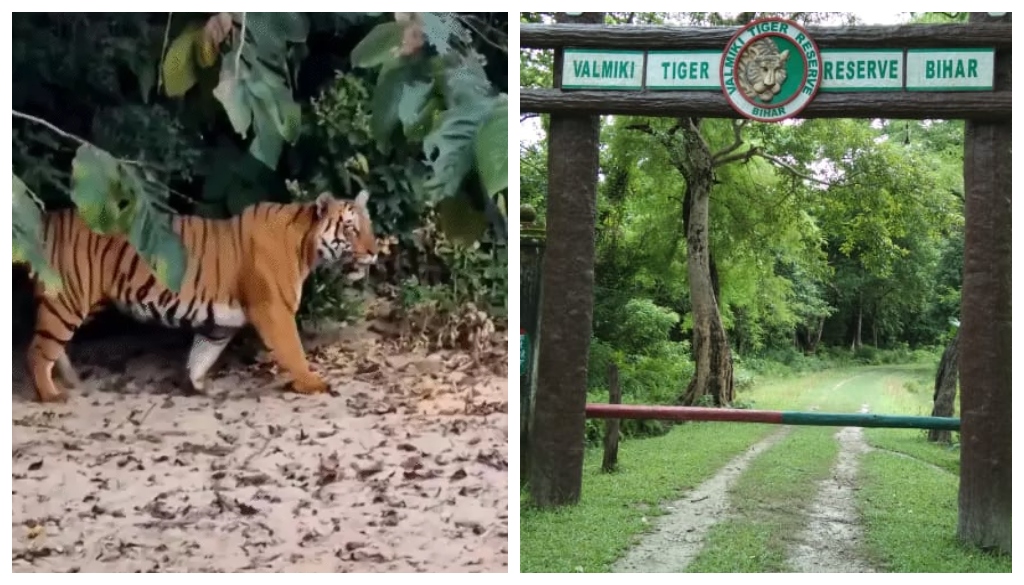
Valmiki Tiger Reserve is renowned for its rich biodiversity. Over the past 15 years, the population of Royal Bengal Tigers has increased sevenfold, according to forest officials. The reserve is also home to leopards, deer species such as chital and sambar, bears, monkeys, gaur and a wide range of rare bird species. Recent weeks have seen increased movement of leopards and gaur, adding to visitor excitement.
The reserve supports remarkable biodiversity, hosting around 60 species of mammals, over 300 species of birds, 30 reptile species and 13 amphibian species. Its flora includes 86 tree species, 114 varieties of grass and 56 types of herbs and shrubs, making it one of the richest ecological zones in the region.
Tourists have two primary accommodation options—forest department guest houses located inside the reserve, offering an immersive jungle experience, and a wide range of hotels, lodges and resorts outside the forest boundary. Local operators note that during peak season, rooms fill up quickly.
The Valmikinagar Eco-Tourism Centre offers 26 double-bed rooms and a 40-bed dormitory, including AC suites, bamboo cottages, tree huts, tent huts, premium and deluxe rooms. Tariffs range from Rs 105 per person for dormitory stays to Rs 1,575 per night for AC suite rooms, making the reserve accessible to a wide range of travellers.
Foreign tourists have also praised the eco-friendly approach. Stephen Francis from the United States described the bamboo structures as unique and said the jungle safari experience left a lasting impression. German tourist Renate Margaret called VTR a rare blend of nature and adventure, while fellow German traveller Frank Werner Heinz said the reserve offered not just wildlife, but a holistic experience of peace, sustainability and environmental living.
According to Assistant Director of Forest Conservation Neshamani K., tourist numbers have steadily increased over the past decade due to improved infrastructure, better road connectivity, expanded accommodation options and the reserve’s natural beauty. Departmental data shows 5,135 visitors in September, 6,543 in October and 15,769 in November. By December 20, another 12,938 tourists had already explored the reserve.
Valmiki Tiger Reserve spans a vast area—from Valmikinagar to Bhikhna Thori, and from Amavaman Lake to Nandangarh—covering multiple forest ranges including Valmikinagar, Govardhan, Manguraha and Udaipur forests. This wide geographical spread allows visitors to experience varied landscapes, from dense jungles and river views to border-area terrain, ensuring that VTR is not a single-point destination but a multi-experience wildlife circuit.
To manage New Year crowds, forest authorities deployed additional security personnel, increased safari slots and formed dedicated crowd-management teams. Tourism-related fees remain affordable, with jungle safari priced at Rs 400 per person, Gandak boat safari at Rs 118, eco-park entry at Rs 20 and the Kaleshwar swing at Rs 12.
Tourism activities vary by zone. While Valmikinagar offers jungle safari, boating, cycling, canopy walk and temple visits, Govardhan is restricted to jungle safaris. Manguraha provides additional cycle safaris and nature trails, catering to adventure-focused visitors.
Currently, 13 government safari vehicles and three registered private vehicles operate across Valmikinagar, Govardhan and Manguraha zones. Eight new safari vehicles have been ordered to further streamline operations during peak season. Safari routes of 22 km, 14 km and 18 km have been demarcated, and tourists are permitted only within these designated zones.
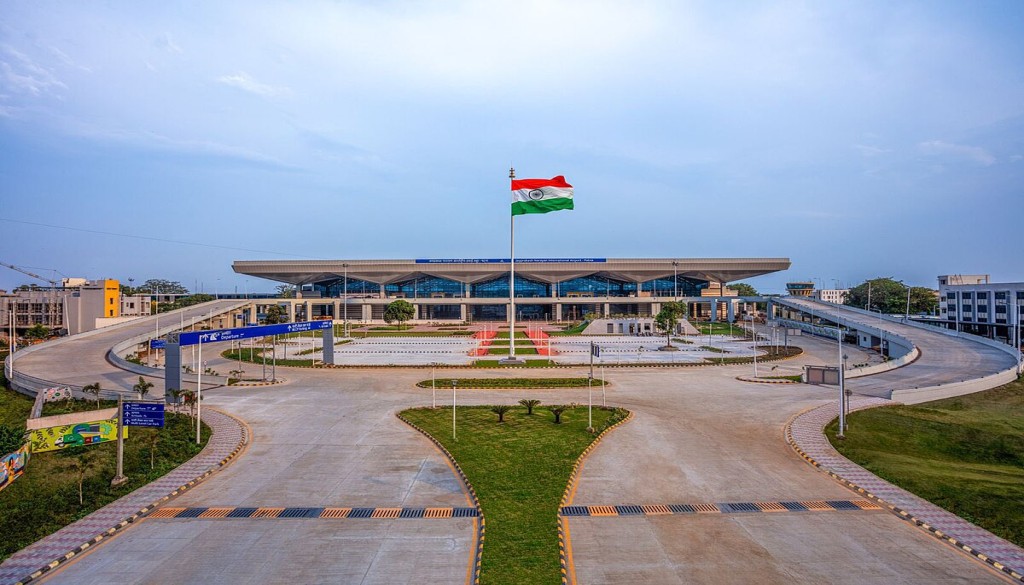
Valmiki Tiger Reserve is well connected by rail, road and air. Valmikinagar Road railway station lies adjacent to the reserve, while Narkatiaganj Junction, about 40 km away, serves as a major rail hub. The nearest airport is Gorakhpur, approximately 160 km away, followed by Patna Airport at around 240 km. Road connectivity via Bettiah and Bagaha makes travel convenient for visitors using private vehicles, taxis or buses.
With record-breaking footfall, growing international interest and a strong focus on eco-tourism, Valmiki Tiger Reserve is fast emerging as Bihar’s flagship wildlife destination—one that balances conservation, community livelihood and sustainable tourism.