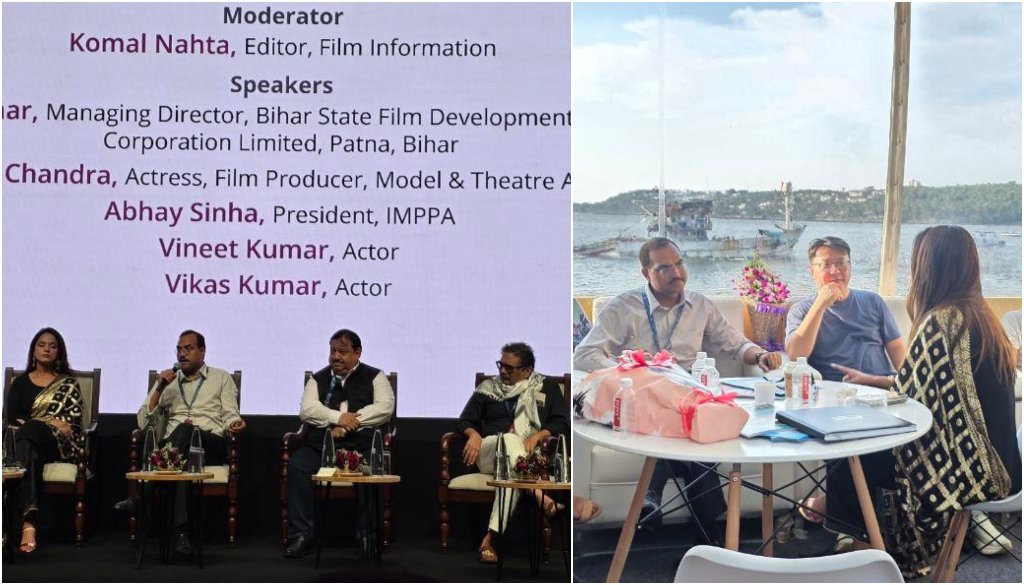
Patna: Bihar officials and film industry figures used a panel at the 56th International Film Festival of India (IFFI) in Goa to position the state as an emerging centre for film production, highlighting new incentives, streamlined approvals and plans for a dedicated film city.

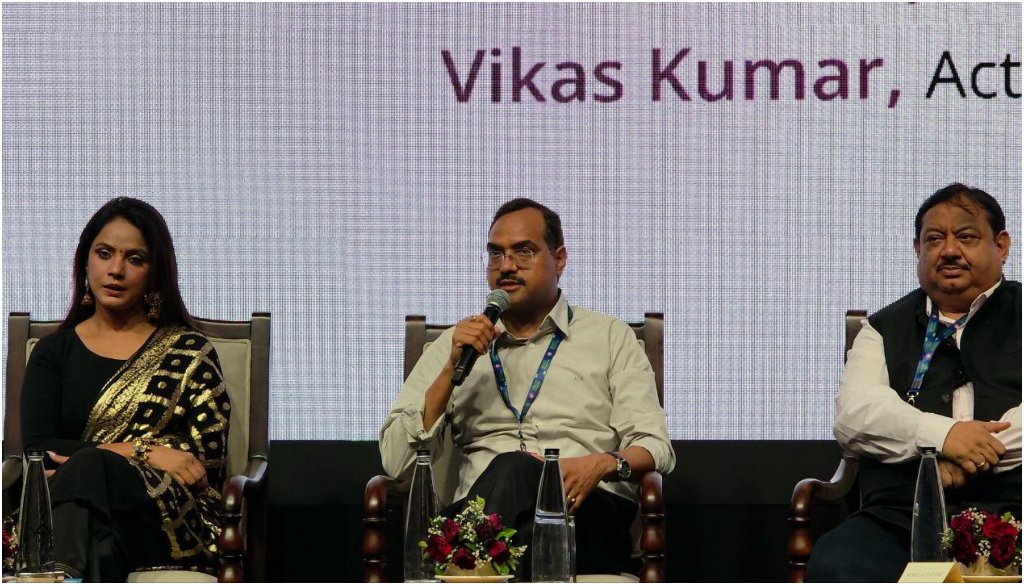
Speaking at a session titled “Rooted in Region: Bihar’s Emerging Cinema”, Pranav Kumar, Managing Director of the Bihar State Film Development and Finance Corporation and Secretary of the Department of Art, Culture and Youth, said the state had “systematically reformulated” its approach to filmmaking. He said Bihar’s new film promotion policy had been drafted after studying models across India, incorporating best practices while addressing filmmakers’ specific needs.
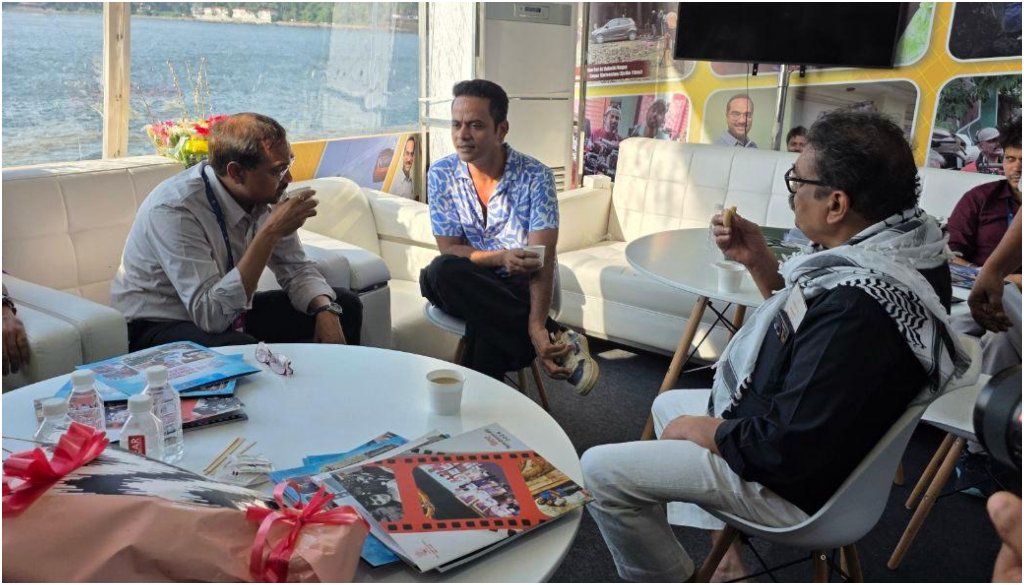

Kumar announced that a “one-window clearance” system had been introduced to ease approvals for producers, supported by district-level nodal officers. Grants are now available not only for feature films but also for web series, TV serials and documentaries. A database of shooting locations across districts has been created, with the state preparing to make these accessible in VR to help production houses visualise sites without extensive recces.
“Bihar has all kinds of stories, both new and old,” Kumar said, adding that the state’s past image “is a thing of the past” and that security concerns were largely misplaced. He said the government’s goal was to foster a filmmaking culture, with plans under way in Rajgir for a film city and a push to consolidate production resources — from vanity vans to technical infrastructure — in one place. The state is also exploring direct bank financing for single-screen cinema construction.
Producers welcomed the policy shift. Abhay Sinha, President of the Indian Motion Picture Association and founder of Yashhi Films, said he had “never been as happy” as he was with the policy’s rollout. He announced plans to shoot three films in Bihar next month and urged IMPA’s 40,000 producers to consider the state for upcoming projects. Sinha called for a local Central Board of Film Certification office to avoid mandatory travel to Mumbai and said IMPA would open a regional office in Bihar.
Sinha also raised concerns about the shortage of screens for Bhojpuri and other regional-language films, suggesting that single-screen cinemas should be required to show Bhojpuri films to support local producers.
Actor and filmmaker Vikas Kumar said he was ready to support incoming productions, offering dialect coaching to cast members depicting Bihari characters. He noted that disused buildings could be repurposed as temporary cinema halls and said he expected new film shoots to begin in the state next year.
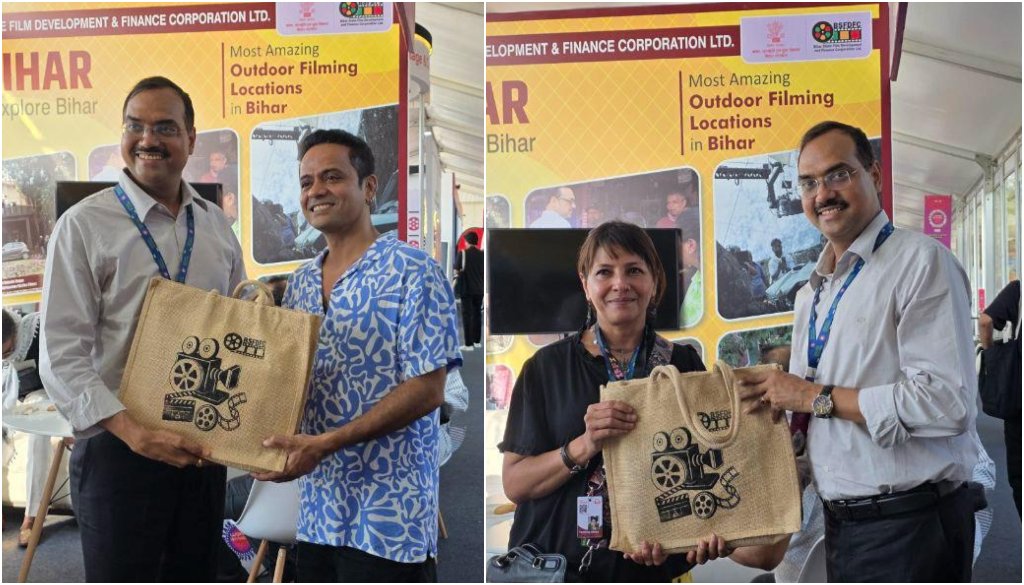
Actor Vineet Kumar echoed calls to develop village environments conducive to shooting, arguing that rural settings would add realism and generate employment. Actress Neetu Chandra said language was central to Bihar’s cinematic identity, highlighting the potential of films in Maithili, Bhojpuri, Bajjika and Magahi.
At the Bihar Pavilion, Missing Ladies writer Biplab Goswami met with officials and said he was considering the state as a possible location for his next project, Yeh Jharna Kaun Hai, and planned to visit Bihar soon for further discussions.