Patna: The Bihar government has made geospatial approval mandatory for all infrastructure projects with an estimated cost of more than Rs. 50 crore, marking a major shift towards data-driven and scientific planning.

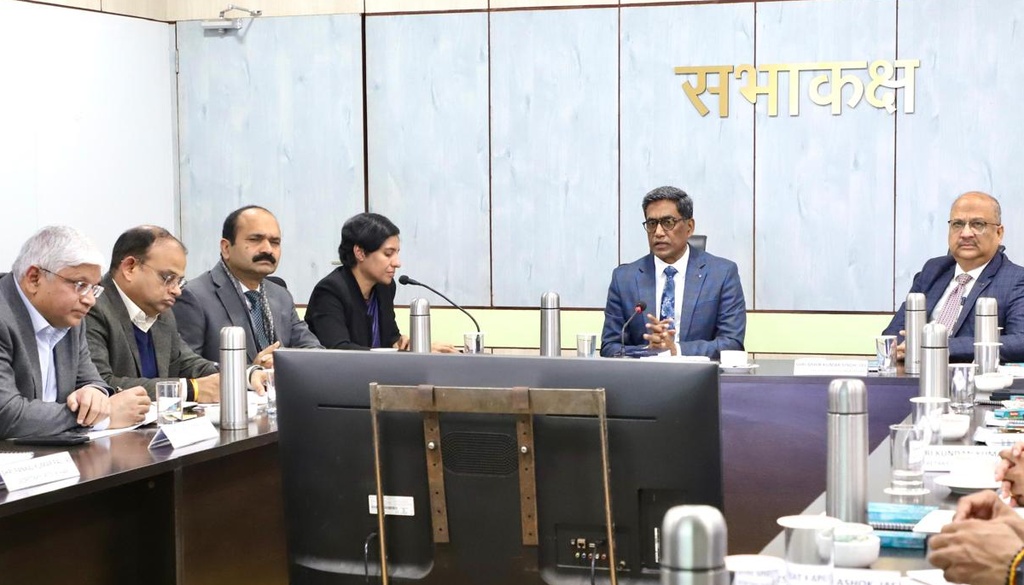
The decision was announced during a high-level review meeting of the Bihar Remote Sensing Application Centre (BIRSAC), chaired by the state’s chief secretary, Pratyay Amrit. Senior officials, including development commissioner Mihir Kumar Singh and Science, Technology, and Technical Education Secretary, Dr Pratima, were present along with top administrators from various departments.
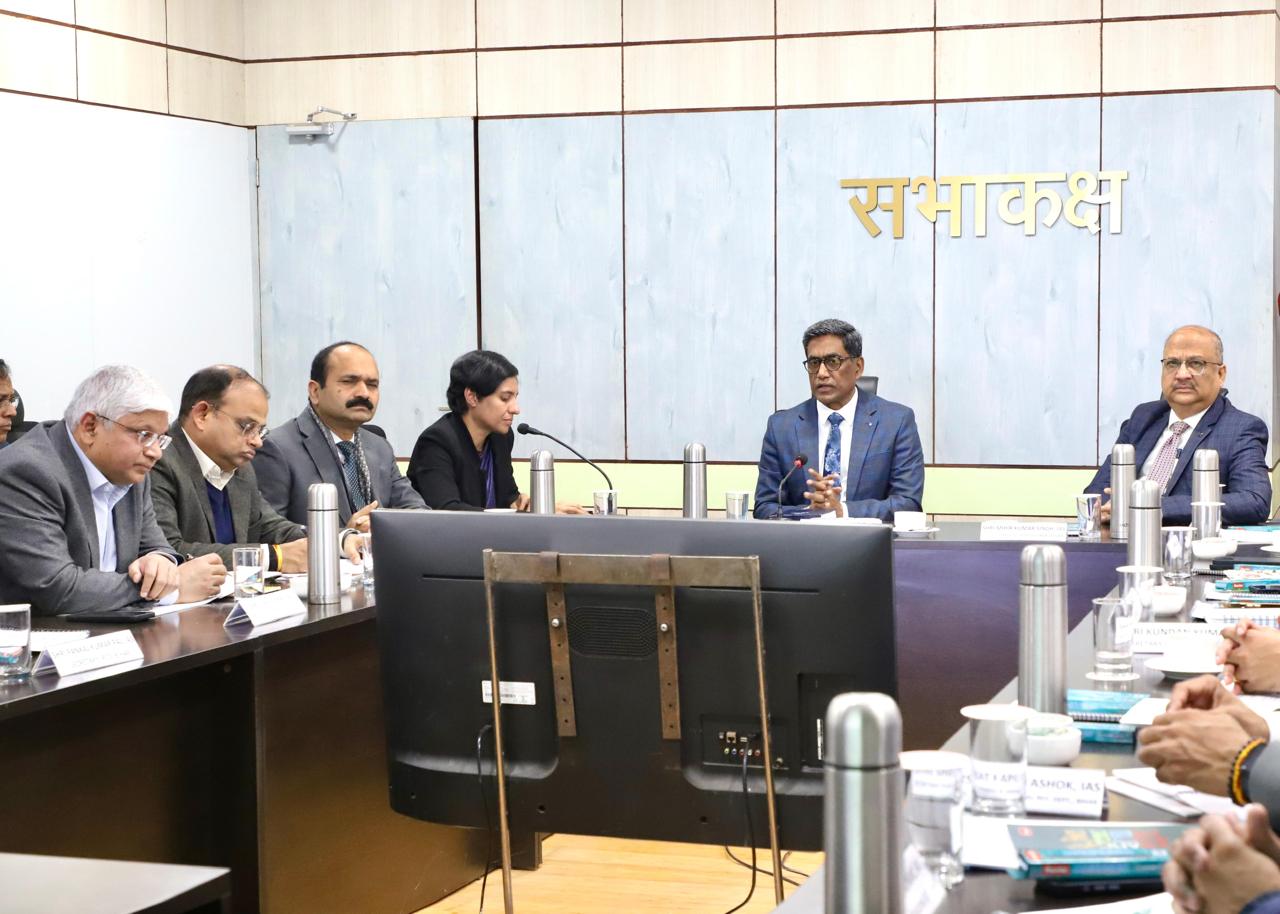

Under the new policy, every detailed project report (DPR) for large infrastructure schemes must receive technical clearance from BIRSAC before financial approval is granted. The chief secretary said the use of geospatial analytics was no longer optional but essential for Bihar’s infrastructure development.
“Geospatial inputs must be integrated at the planning stage itself to avoid technical, administrative, and land-related complications later,” he said, stressing the importance of formal integration of BIRSAC’s services into the state’s infrastructure planning framework.
Officials explained that for projects costing Rs. 50 crore or more, geospatial analytics would be included as a mandatory add-on in the DPR. Departments will be required to pay only 0.25% of the total project cost for BIRSAC’s services, a move intended to strengthen the institution financially without placing an additional burden on the state exchequer.
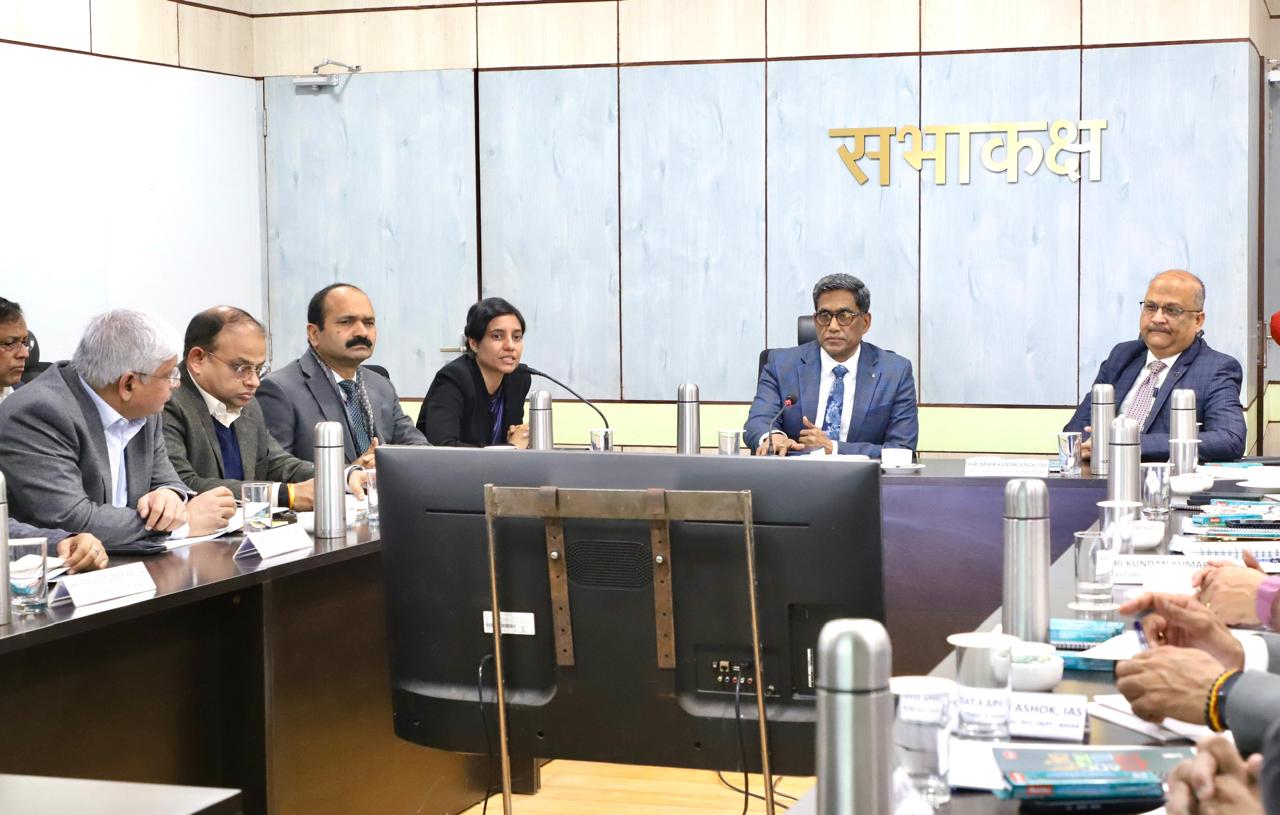
The meeting reviewed BIRSAC’s ongoing work, including geospatial inventory mapping of natural resources and government assets, disaster monitoring and management, spatial data support for development planning, and the creation of village-level geospatial databases.
The government is also developing a digital tool in collaboration with the Bhaskaracharya Institute for Space Applications and Geo-Informatics (BISAG-N). The tool will assist in preparing DPRs using data available on the PM Gati Shakti portal, enabling better alignment planning and more accurate project assessments.
Officials said the system would help reduce duplication of work, cut costs, and identify potential hurdles such as land acquisition, forest clearances, and drainage issues at an early stage. It is also expected to support disaster management and environmental monitoring, including tracking activities like stubble burning.
Departments agreed that the new mechanism would make infrastructure projects more efficient, transparent, and sustainable. The chief secretary directed all departments to regularly update project progress on the portal and strengthen inter-departmental coordination.
He also praised BIRSAC’s contributions and emphasised the need to further enhance its technical and human resource capacities, calling the institution a cornerstone of Bihar’s future-ready infrastructure planning.