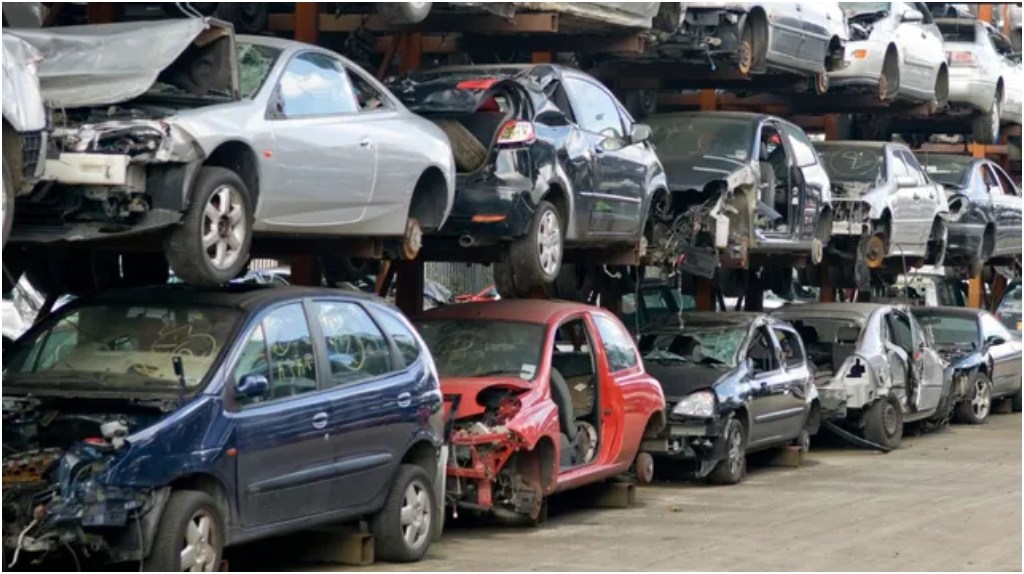
Patna: The Bihar government is preparing to overhaul its vehicle scrappage policy, aiming to push more than 2.5 million ageing vehicles off the state’s roads by offering sharper financial incentives and learning from neighbouring states.

Officials in the transport department said a new policy is being drafted to encourage owners to scrap vehicles that are more than 15 years old. The move comes after the existing scheme failed to gain traction: fewer than 2,000 vehicles have been scrapped so far, despite the large number eligible.
Under the current policy, which runs until March 31, 2026 owners are entitled to a road tax rebate of up to 25% for private vehicles and 15% for commercial vehicles, along with relief on outstanding taxes and penalties. However, the incentives have not proved attractive enough, with many owners choosing to scrap their vehicles in Jharkhand and Uttar Pradesh instead.

Officials acknowledge that neighbouring states have been more successful. In Jharkhand, government and commercial vehicles older than 15 years and private vehicles older than 20 years qualify for scrappage, with benefits including road tax discounts, waiver of registration fees and additional incentives from vehicle manufacturers when buying a new vehicle. Similar provisions in Uttar Pradesh have also drawn vehicle owners from Bihar, resulting in a loss of revenue for the state.
The proposed new policy is expected to place a strong emphasis on cleaner transport. According to officials familiar with the discussions, buyers of electric, CNG and battery-operated vehicles may be offered a 100% exemption on road tax and registration fees. A complete waiver of pending taxes and fines on scrapped vehicles is also under consideration.
The government is also planning to make scrapping compulsory for government vehicles older than 15 years, while private vehicle owners may be allowed to extend registration for a maximum of five additional years. Approval has already been granted for the establishment of 20 vehicle scrapping centres across the state.
The transport department believes that a more practical and financially attractive policy could help clear defunct vehicles from the roads and significantly reduce air pollution. Whether the revised scheme succeeds where the previous one faltered will depend on how effectively it is implemented on the ground.