Patna: People in Bihar are now living longer than they did a decade ago, and this change is being seen across the state. According to the Economic Survey 2025–26, presented in the Bihar Assembly, life expectancy at birth has improved steadily during the 2019–23 period. Women in Bihar now live an average of 69.7 years, while men live 68.9 years. These numbers show that health services, awareness, and living standards in the state are slowly improving. For a state that once struggled with poor health indicators, this growth is being seen as a major step forward.

When these new figures are compared with the past, the progress becomes clearer. During 2009–13, the average lifespan in Bihar was lower for both men and women. Over the last decade, men have gained 1.6 more years of life, while women have gained 1.7 years. This means that people are surviving longer and avoiding early deaths from diseases that can now be treated or prevented. Women continue to live slightly longer than men, which is also seen in many other parts of India and the world.
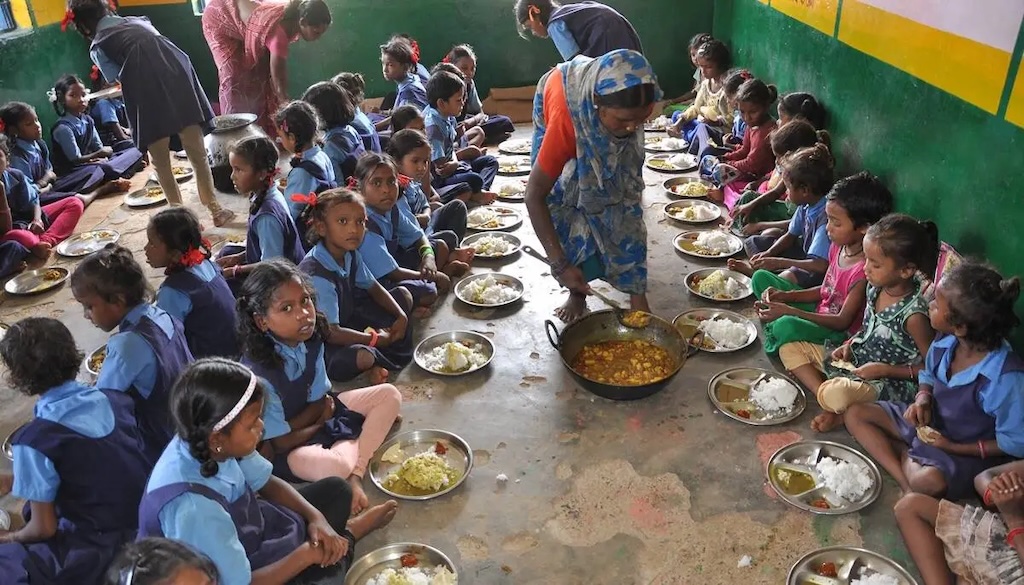
The improvement is not limited to cities alone. Rural Bihar has also seen a strong rise in life expectancy. During 2019–23, people in rural areas lived 1.6 years longer on average than before. In urban areas, life expectancy increased by 1.3 years. This shows that healthcare schemes and basic facilities are now reaching villages as well. Better immunisation, maternal and child health programmes, improved nutrition, and new health centres are helping families stay healthier, especially in remote regions.

This positive trend is also seen across India. At the national level, life expectancy for men increased by 2.7 years and for women by 3.2 years during the same period. In rural India, the rise was 2.8 years, while in urban areas it was 1.9 years. Health experts say these improvements are the result of better hospitals, early disease detection, cleaner surroundings, safe drinking water, and government health schemes. However, they also point out that Bihar still needs stronger healthcare infrastructure to reach the national average. With continued effort, the state can ensure that its people not only live longer, but also live healthier and safer lives.