
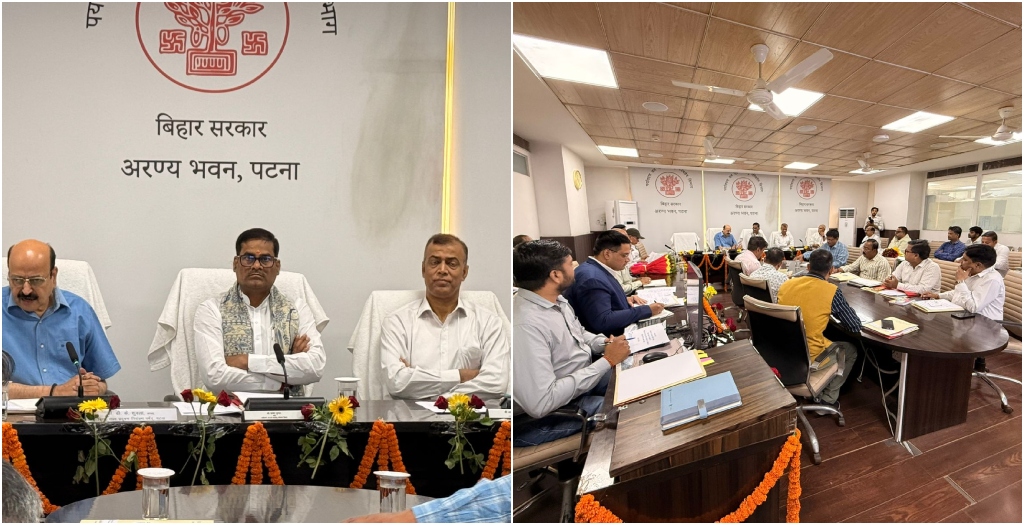
Patna: The Bihar government has announced a stronger push to control the use of single-use plastics, highlighting growing concerns about pollution and its impact on public health. The move comes after a high-level meeting held in Patna, where ministers, lawmakers and senior officials gathered to review the current situation and discuss ways to improve enforcement of existing rules. The meeting focused on the urgent need to reduce plastic waste and promote safer, eco-friendly alternatives across the state.

The meeting was led by environment minister Pramod Kumar, who called for strict implementation of the ban on certain plastic products. He said that items such as plastic carry bags are already prohibited, but stronger action is needed to ensure that the rules are followed on the ground. He also stressed that public support is important and urged people to switch to alternatives like cloth and paper bags in their daily lives.
Experts at the meeting pointed out that plastic waste is not only harming the environment but also affecting human health. D K Shukla explained that proper waste management is necessary to protect nature and living beings. A presentation by Neeraj Narayan gave an overview of the laws related to plastic use and highlighted steps already taken by the state to control the problem.

Several lawmakers shared their suggestions to make the ban more effective. Sarvesh Kumar and Sameer Kumar Singh spoke about the need for greater public participation, while Nachiketa emphasised better enforcement of rules. Chhoti Kumari suggested that affordable alternatives to plastic, such as paper bags, should be easily available so that people can make the switch without difficulty.
Senior official Anand Kishor said that the government is also exploring new ways to manage plastic waste, including using it in road construction projects on a trial basis. He added that different government departments will need to work together to fully control the use of single-use plastics. With plastic use increasing even in rural areas, the state plans to expand awareness campaigns and take stricter steps to tackle the issue in the coming months.