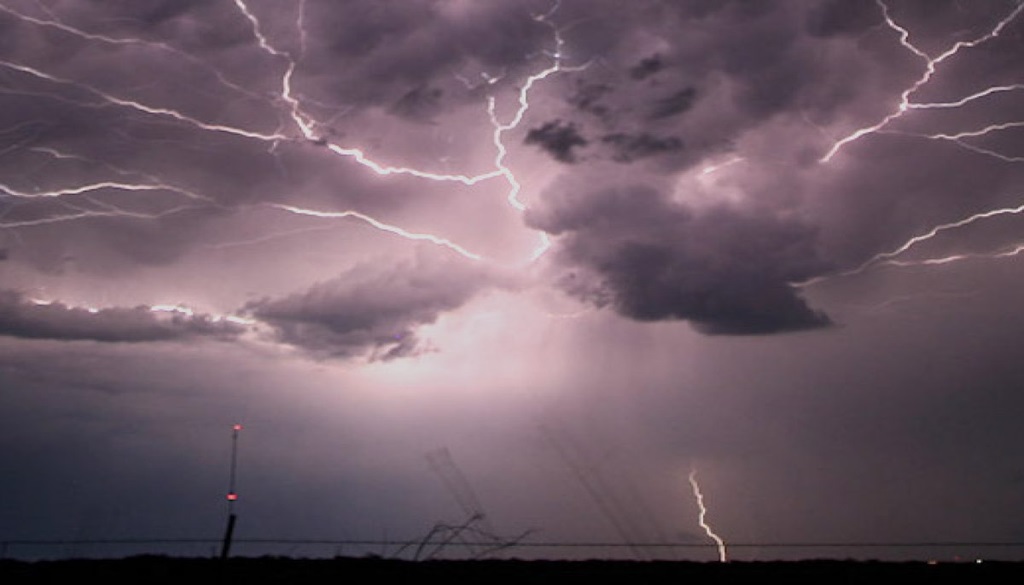
Patna: Weather conditions across Bihar are changing rapidly, with the India Meteorological Department issuing an orange alert for rain and thunderstorms in six districts of the state on Monday. According to officials, these districts may witness strong winds, lightning, rainfall and the possibility of hailstorms during the next 24 hours.

Apart from these six districts (Buxar, Arwal, Bhojpur, Aurangabad, Rohtas, Kaimur), weather conditions are expected to remain largely normal across the rest of Bihar. Most regions are likely to experience clear skies and bright sunshine, which may lead to a rise in temperature. During daytime hours, the heat is expected to intensify, causing discomfort due to humidity and hot winds, especially in the afternoon.
On Sunday night, rainfall was reported in Khagaria and Sheikhpura, while dark clouds were seen hovering over Nalanda district. Meteorological officials said the current weather fluctuations are being influenced by a trough line extending from West Bengal to Telangana, which is bringing moisture into Bihar.

Over the next three days, the maximum temperature is expected to remain below 38–40 degrees Celsius, with a slight drop of around 2 to 4 degrees Celsius likely in several parts of the state.
Forecast for the coming days suggests that Bihar will continue to witness mixed weather conditions. Some districts may experience partly cloudy skies, light rain and gusty winds, while other areas could see a continued rise in heat levels. The temperature may remain 2 to 4 degrees Celsius above normal in several locations, though intermittent rain and thunderstorms could offer temporary relief.
According to the weather department’s outlook, thunderstorms and winds reaching speeds of up to 60 kmph are likely across most parts of the state on April 6 and 7. On April 8, there is a possibility of hailstorms in some areas of north, south and southwest Bihar. Weather activity is expected to continue on April 9, after which skies are likely to clear.
Meteorologists attribute these sudden weather changes to pre-monsoon activity. During April, moisture-laden winds from the Bay of Bengal begin moving towards northern and central India. At the same time, western disturbances also influence atmospheric conditions. When these systems interact, atmospheric instability increases, leading to thunderstorms, rain and lightning.
Additionally, intense daytime heating warms the ground rapidly, causing hot air to rise and form clouds. This process often triggers sudden storms or rainfall in the afternoon or evening. Meteorologists refer to this phenomenon as local convection, which is common during the pre-monsoon season.
Meanwhile, hospitals across Bihar are witnessing a rise in patients suffering from heat-related illnesses. Cases of heat stroke, high fever, headaches, dizziness and dehydration have increased by nearly 25 percent in outpatient departments. Doctors at Indira Gandhi Institute of Medical Sciences (IGIMS), Patna Medical College and Hospital (PMCH) and Nalanda Medical College and Hospital (NMCH) said nearly every third patient visiting OPDs is reporting such symptoms.
Patna Civil Surgeon Dr Yogendra Prasad Mandal said that community health centres and primary health centres are also seeing an increase in patients with heat stroke symptoms. He clarified that no cases of “Chamki fever” have been reported in Patna so far. However, hospitals have been kept on alert as a precaution. Special heatstroke wards and ICU beds have been arranged, while beds have also been reserved for possible Chamki fever patients. The 102 ambulance service has been put on alert and doctors have been given special training to handle emergency cases.
Doctors have advised parents to take special precautions for children during the heatwave period. Children should be given a proper meal before sleeping at night, adequate water and oral rehydration solution should be ensured, and exposure to strong sunlight should be avoided. They should be dressed in light clothes that cover the body to reduce heat exposure.
Medical experts also warned that allowing children to sleep on an empty stomach can cause a drop in blood sugar levels, which may increase the risk of Chamki fever. Proper nutrition and hydration are therefore essential during the summer months.