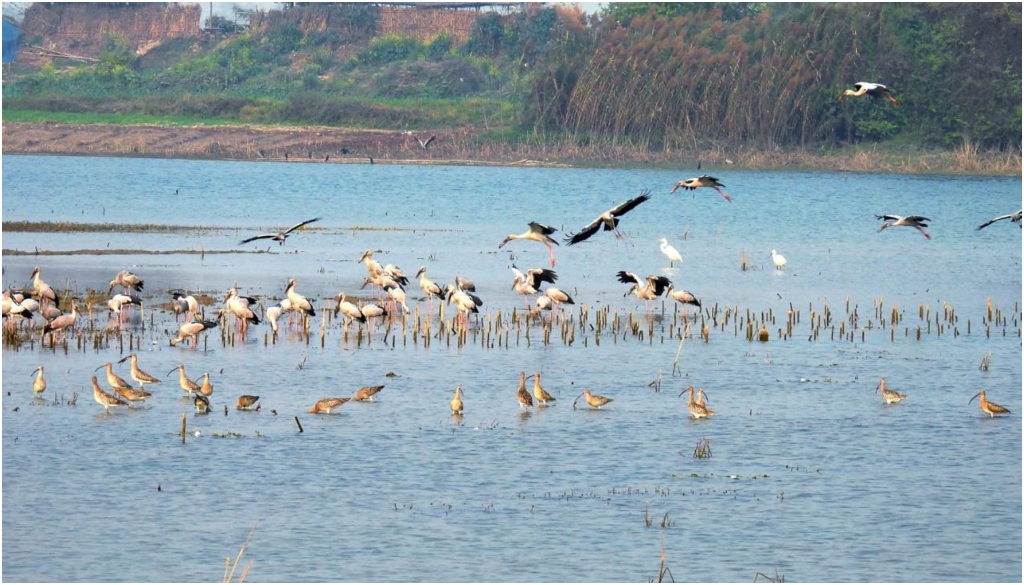
Patna: Wetlands across Bihar are increasingly being recognised as vital natural assets in the fight against climate change, with state authorities identifying 4,526 wetlands larger than 2.25 hectares and completing ground verification for 4,316 of them, according to official data released on February 10. Often described as the “kidneys of the Earth,” wetlands filter pollutants from water, regulate floods and help stabilise local climates, making them essential for environmental sustainability.

Beyond their ecological role, Bihar’s wetlands are deeply intertwined with the state’s social and economic fabric. Millions of people depend on these water bodies for fisheries, while crops such as makhana, jute and water chestnut are cultivated in wetland ecosystems, supporting rural livelihoods and local economies. Experts say protecting these ecosystems is critical not only for nature but also for economic resilience in flood-prone regions.

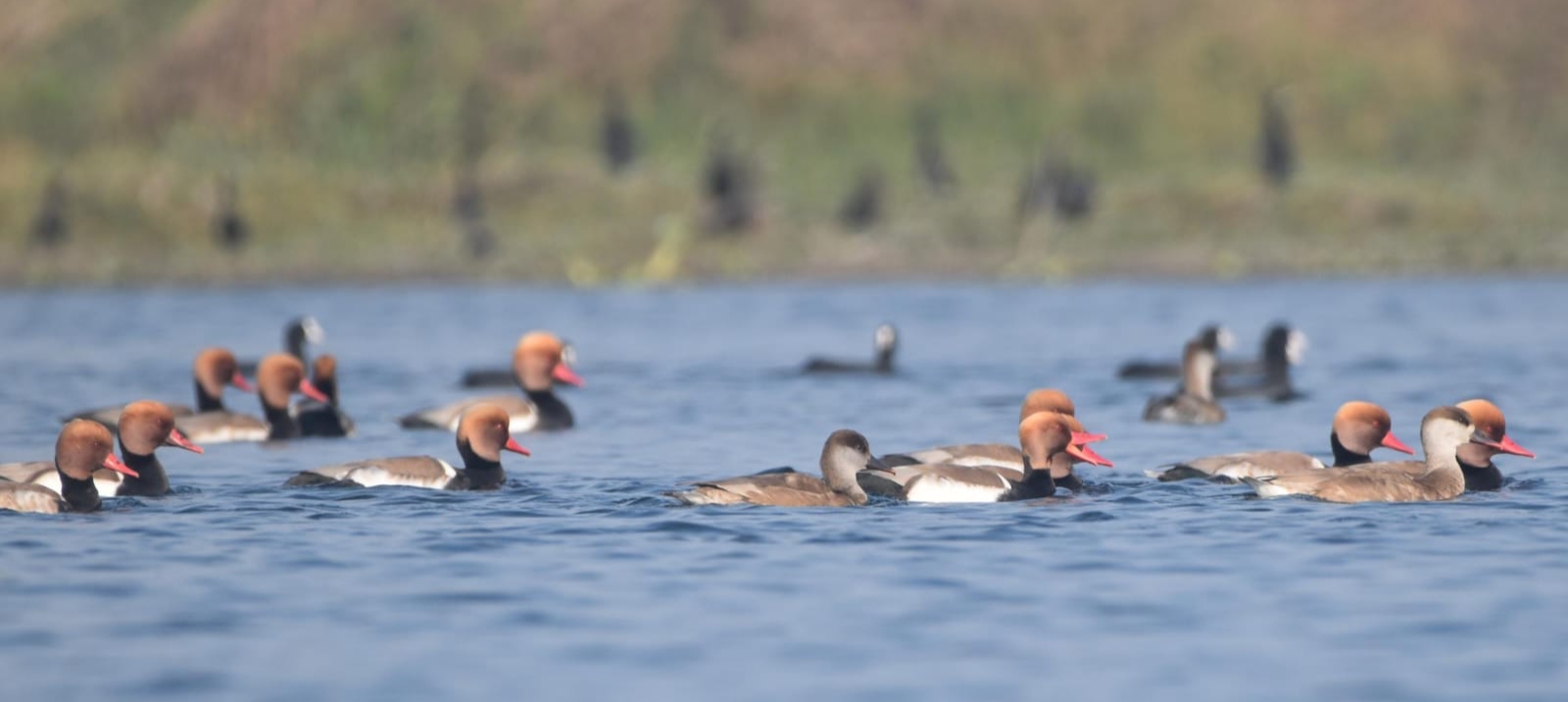
Wetlands also serve as important biodiversity hotspots, providing seasonal habitats for migratory birds from across India and abroad. Conservationists warn that unchecked development and pollution could threaten these fragile ecosystems, highlighting the need for sustainable management policies and community participation in conservation efforts.
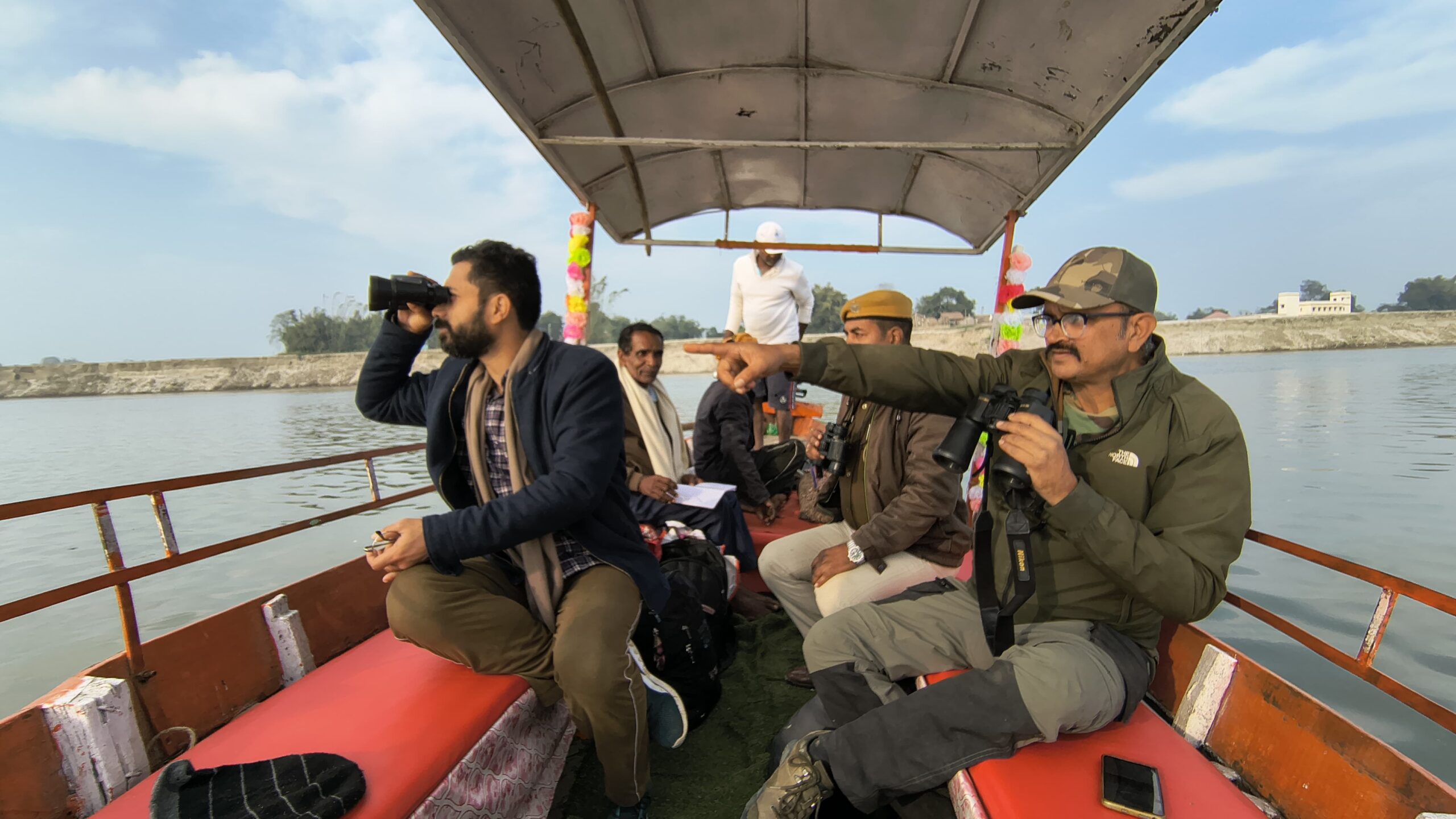
In a boost to conservation efforts, three wetlands in Bihar recently received Ramsar site status, bringing the total number of internationally recognised wetlands in the state to six. The list includes Kanwar Lake in Begusarai, Nagi–Nakti Bird Sanctuary in Jamui, Gogabil Reservoir in Katihar, Gokul Reservoir in Buxar and Udaypur Lake in West Champaran. On World Wetlands Day 2026, the Ministry of Environment, Forest and Climate Change awarded special certificates for three Ramsar sites to S Chandrasekhar, member secretary of the State Wetland Authority, underscoring the national importance of Bihar’s wetland ecosystems.