Patna: Cancer remains one of the world’s deadliest diseases, with the World Health Organization (WHO) reporting 10 million deaths in 2020 and warning that new cases could surge to 35 million by 2050. But while the numbers are daunting, health experts argue that simple lifestyle changes could significantly reduce the risk.

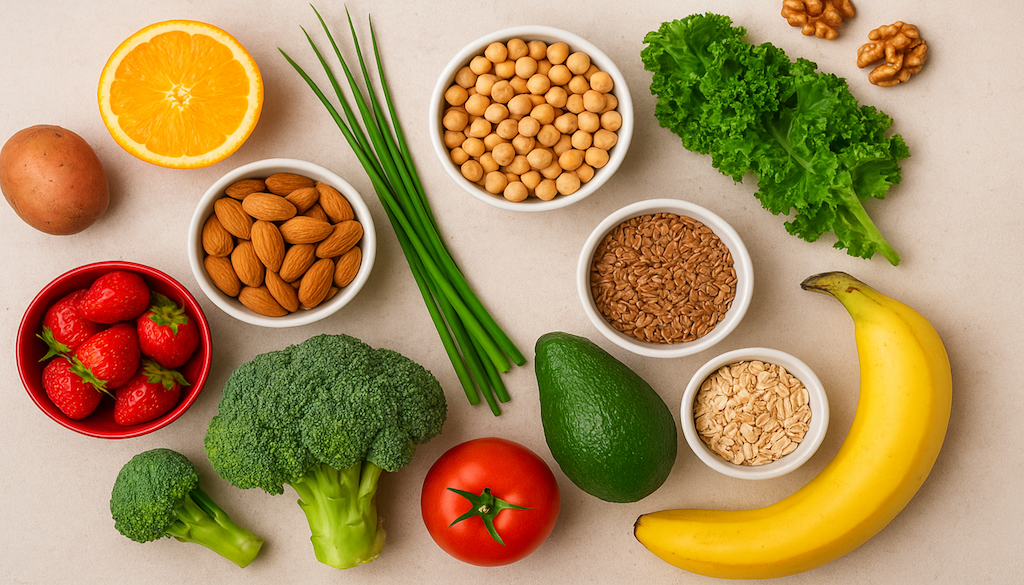
A 2024 study in The BMJ found that people who consume high levels of ultra-processed foods such as packaged snacks, chips and biscuits face a 20–30% higher risk of developing cancer. By contrast, diets rich in fibre — every 10 grams daily cutting the risk of colorectal cancer by 10%, according to the American Institute for Cancer Research — and Mediterranean staples such as olive oil can lower risk substantially.
Processed meat, however, remains a major red flag. WHO data shows that eating just 50 grams a day can raise colorectal cancer risk by 18%. Alcohol is another major concern: even a single daily drink increases breast cancer risk by up to 10%, and heavy consumption is linked to seven different cancers.

Weight and inactivity compound these risks. The US Centers for Disease Control and Prevention estimates that 40% of all cancers in the country are tied to obesity, which is associated with at least 13 types of the disease. The National Cancer Institute highlights that regular exercise can cut the risk of colon, breast and cervical cancers by 20–40%.
Beyond food and fitness, stress and poor sleep are increasingly being recognised as risk factors. Research shows that adults sleeping fewer than six hours a night have a 24% higher cancer mortality rate. Constant stress and lack of sleep weaken the immune system, paving the way for tumours to grow.
Experts emphasise that while no single change can guarantee immunity, adopting a balanced diet, maintaining a healthy weight, reducing alcohol intake and prioritising rest can collectively lower cancer risk and improve long-term wellbeing.
(Disclaimer: The information in this report is for general awareness and based on scientific research. Readers are advised to consult a qualified medical professional before making health decisions.)