
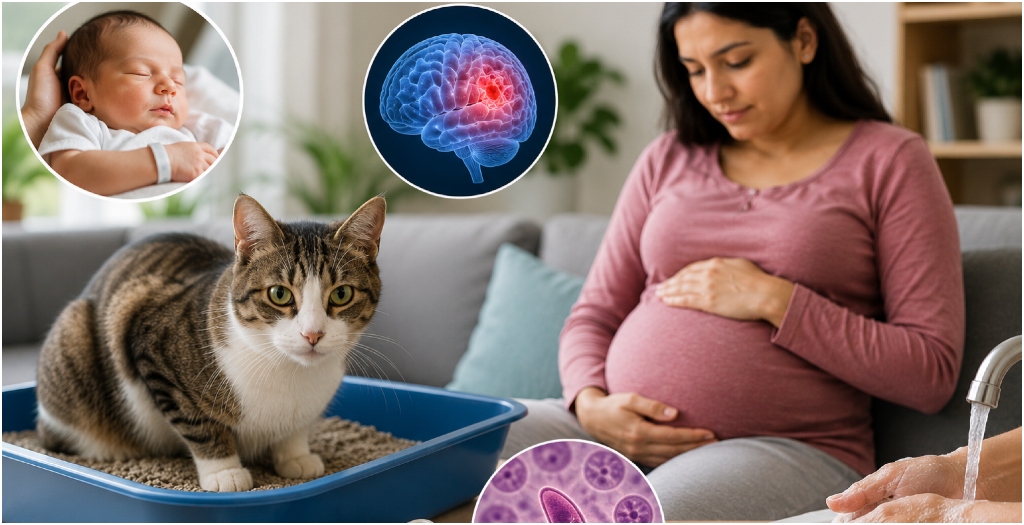
Patna: The number of families keeping cats as pets is increasing rapidly across cities and towns in India. Cats are often loved for their calm nature and attractive appearance, but doctors in Patna are now warning that cat waste can carry dangerous infections that may seriously affect human health. Medical experts at Nalanda Medical College Hospital (NMCH) have raised concerns over toxoplasmosis, a disease caused by a parasite that lives in the intestines of cats and spreads through their feces and urine. The infection can become especially dangerous for pregnant women, newborn babies and people with weak immune systems.

To deal with the growing health risk, the Department of Microbiology at NMCH has started free testing for toxoplasmosis. Doctors say the tests can help identify whether a person was infected in the past or is currently suffering from an active infection. Prof. Dr. Sanjay Kumar, head of the department, said the hospital has been selected as a surveillance centre under the national health programme for monitoring diseases that spread from animals to humans. The hospital laboratory is now equipped with modern machines and testing kits to conduct Toxoplasma IgG and IgM tests. He added that all departments in the hospital have been informed so that patients showing symptoms can quickly be referred for testing.
Doctors explained that many people may not even realise they are infected because the symptoms can appear slowly or resemble common illnesses. However, for pregnant women, the infection can become extremely serious. Medical experts warned that toxoplasmosis may lead to repeated miscarriages, infections during pregnancy and birth defects in newborn children. In some cases, babies may suffer from poor brain development or vision problems after birth. Adults may also experience blurred eyesight, swelling in the neck glands, fever for a long period and infections affecting the eyes or brain. Doctors said infection usually spreads when people touch cat waste while cleaning litter or handling pets and then touch their eyes, nose or mouth without properly washing their hands.

The hospital has advised pet owners to follow proper hygiene and safety measures while caring for cats. Doctors said cat owners should avoid direct contact with feces and urine and must wear gloves while cleaning litter boxes. They also advised people to wash their hands thoroughly after touching pets or cleaning areas used by cats. Regular veterinary check-ups and vaccinations for pet cats have also been recommended. According to experts, even the dirt trapped in a cat’s fur can carry infection if the animal has come into contact with its own waste.
Apart from toxoplasmosis, the Microbiology Department at NMCH has also started testing for several other diseases that spread from animals and insects. These include Scrub Typhus, Leptospirosis, Brucellosis, Rabies, Dengue, Swine Flu, Bird Flu and Viral Encephalitis. Doctors said awareness about zoonotic diseases remains low in many parts of Bihar and stressed that people should stay informed while keeping pets at home. Health experts added that pets can continue to be part of family life safely if proper cleanliness and regular medical care are maintained.