Patna: The onset of the monsoon has brought relief from high temperatures in Patna, but health authorities are reporting a sharp increase in dengue cases across the district.

According to the District Infectious Disease Control Programme (IDSP) and the Civil Surgeon’s office, 22 new dengue cases were confirmed between July 1 and July 5, taking the district’s total to 45 cases this year. The district had recorded 23 confirmed cases until June 30.
Although 52 cases had been reported during the same period last year, officials say the pace of infections has accelerated at the beginning of July this year. Most of the confirmed patients are from urban areas.

Health Department Steps Up Surveillance
The Health Department has placed localities in Kankarbagh, Bankipur, Nutan Rajdhani and Patna City under enhanced surveillance following the rise in cases.
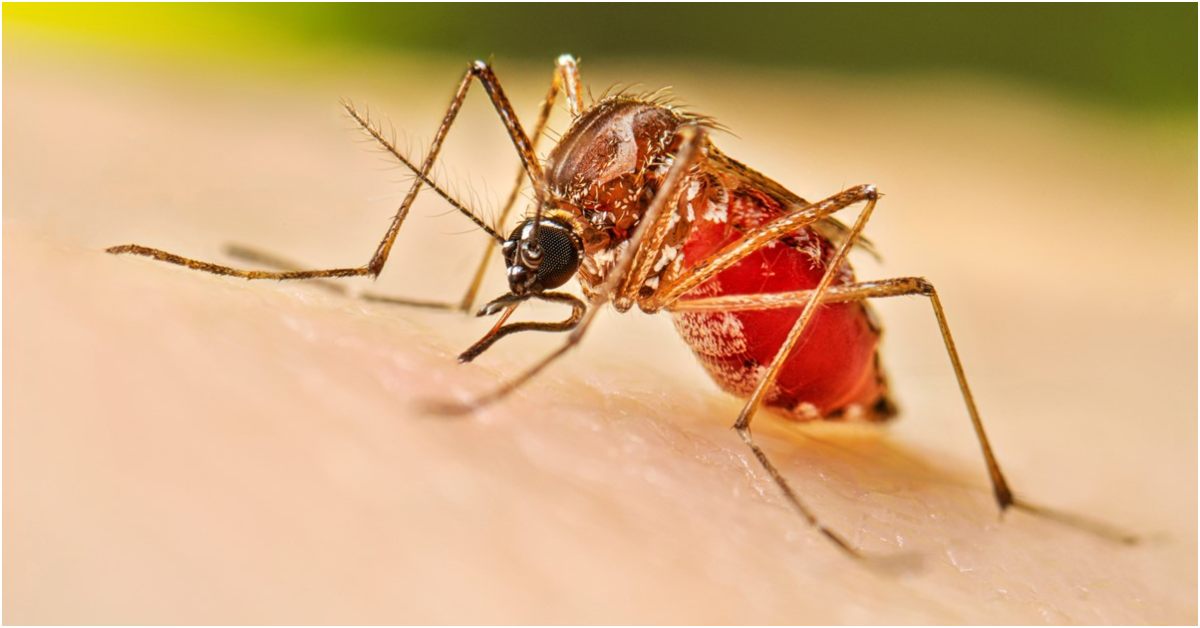
Officials said waterlogging after rainfall and the accumulation of clean stagnant water around residential areas have created favourable conditions for the breeding of Aedes mosquitoes, which transmit dengue. Hospitals across the district have also been alerted to prepare for a possible increase in cases.
Health experts have warned that if preventive measures are not strengthened now, infections could rise significantly during the peak dengue season in September and October.
Dengue Wards Activated in Major Hospitals
Government hospitals, including PMCH, NMCH and IGIMS, have ensured the availability of NS-1 antigen and IgM ELISA testing facilities for early diagnosis.
Dedicated dengue wards have also been activated, while hospitals have been instructed to maintain adequate stocks of essential medicines and platelets for patient management.
Meanwhile, residents in several neighbourhoods have questioned the effectiveness of municipal fogging and anti-larval drives, alleging irregular mosquito-control measures and poor drainage management.
Civil Surgeon Urges Public Vigilance
Civil Surgeon said the Health Department is fully prepared and has made necessary resources available at all government hospitals.
He said special surveillance, larval surveys and public awareness campaigns are being conducted in areas reporting dengue cases. He also appealed to residents to prevent clean water from collecting on rooftops, in coolers, flowerpots and other containers around their homes.
Doctor advised people experiencing symptoms such as high fever, severe headache, pain behind the eyes or skin rashes to seek testing at a government hospital instead of self-medicating.
Early July Rise Raises Concern
Senior professor in the Department of Medicine, said dengue outbreaks generally peak during September and October, but the increase in infections in early July is a warning sign.
He said failure to control mosquito breeding at this stage could result in a sharp rise in cases over the coming months. He also emphasised that early testing and adequate fluid intake are essential for treatment, adding that painkillers should not be taken without medical advice because some medicines may increase the risk of bleeding.
Dengue Prevention Measures
Health experts have advised residents to:
- Prevent water from stagnating in and around homes.
- Clean coolers, flowerpots, water tanks and water storage containers regularly.
- Wear full-sleeved clothing and use mosquito repellents.
- Take extra precautions to protect children and older adults from mosquito bites.
- Seek immediate medical attention if symptoms such as high fever, body ache, vomiting, weakness or a fall in platelet count develop.