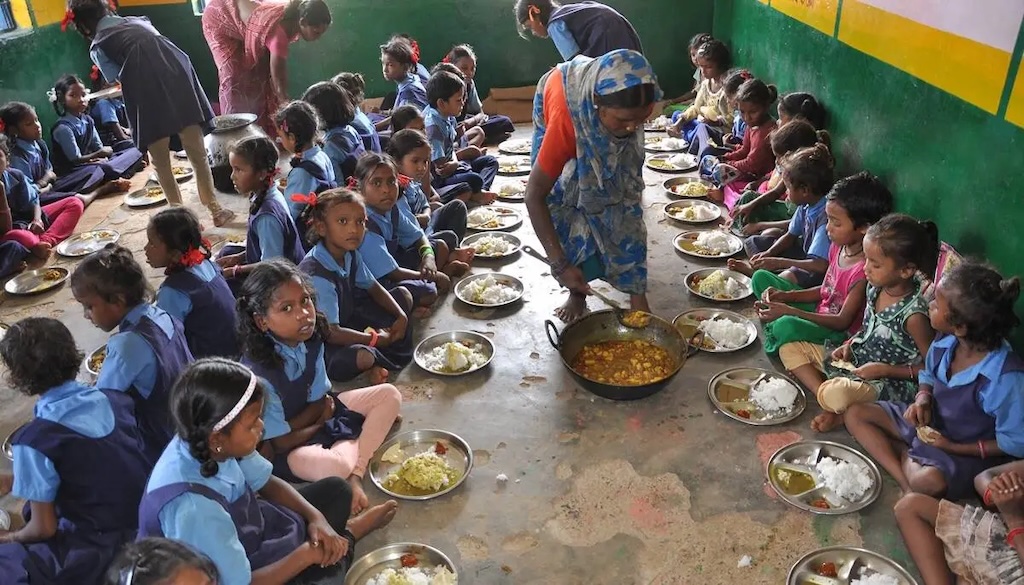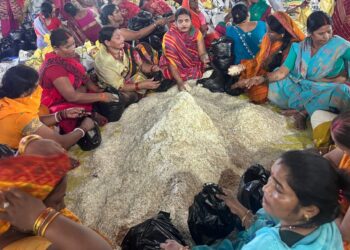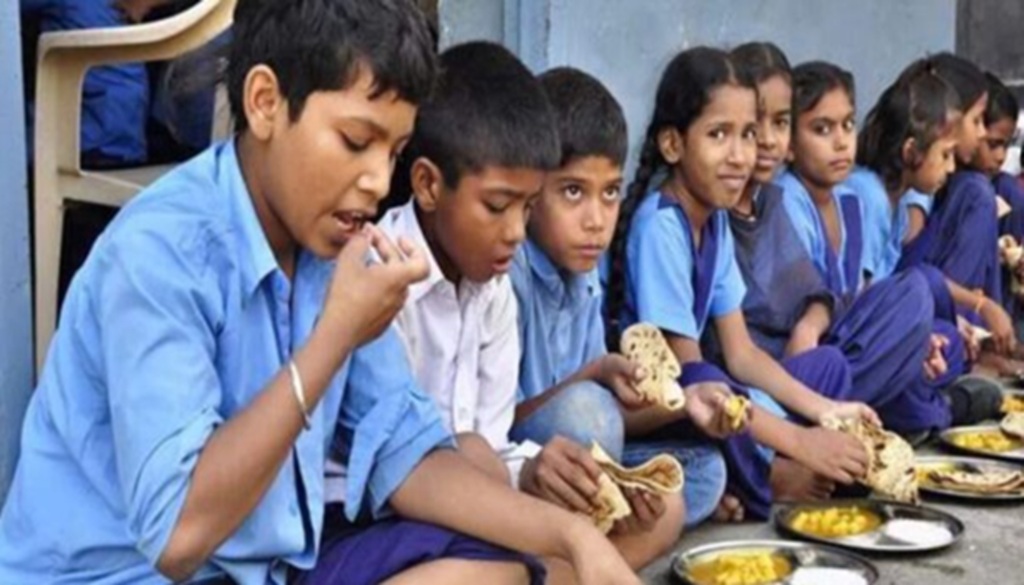
Patna: Food supplied to government schools through centralised kitchens in the state has tested positive for Escherichia coli, raising concerns about the safety of meals served to thousands of children.

Laboratory testing of cooked food samples provided to schools found the presence of E coli bacteria, which can cause foodborne illness. The findings emerged from routine monitoring conducted by Avon Food Lab Private Limited, a Delhi-based laboratory appointed by the Directorate of the Midday Meal Scheme under the Department of Education.
The organisation periodically collects and tests samples of cooked meals served in schools across selected blocks in each district. The results are then reported to the scheme’s state directorate.

Officials said the detection of E coli in food supplied from centralised kitchens poses a potential health risk to children, who are the primary beneficiaries of the programme.
Following the report, the director of the midday meal directorate, Vinayak Mishra, instructed district authorities to implement strict preventive measures with immediate effect.
In an email sent to district programme officers responsible for the scheme, Mishra said E coli contamination could lead to foodborne illnesses, including stomach infections, diarrhoea, abdominal cramps, vomiting and other digestive problems. Children are particularly vulnerable to such infections.
The directive noted that contamination often occurs due to poor food preparation practices, unhygienic cooking conditions, contaminated water, improper storage or transportation, and inadequately cleaned utensils.
District officials have been asked to ensure cooks and kitchen managers maintain strict personal hygiene while preparing meals. Hair should be properly covered and hands washed thoroughly during food preparation, with gloves used where possible.
Utensils used for cooking, serving and storing food must be cleaned with detergent and water before use, and raw ingredients should be washed thoroughly with clean water. Authorities also emphasised that water used in cooking must be safe, and should be boiled if there are concerns about contamination.
The guidelines also call for daily cleaning of cooking areas and periodic sanitisation of kitchens. Prepared food should be stored at appropriate temperatures to prevent bacterial growth, while regular monitoring of hygiene standards in centralised kitchens must be ensured.
E coli is a group of bacteria commonly found in the intestines of humans and warm-blooded animals. While many strains are harmless and even help digestion, certain types can cause illness, including diarrhoea, vomiting, stomach pain and fever.
Officials said strict adherence to food safety and hygiene practices would be essential to prevent further contamination in school meals.