Patna: The energy department has reserved 838 megawatts (MW) of electricity for upcoming industrial units as part of a wider plan to support industrial expansion and attract investment. The move comes amid ongoing agreements between authorities and industrial stakeholders, with reliable power supply seen as essential to sustaining new manufacturing activity.

Officials said electricity demand in the state is expected to reach around 9,602 MW this year, driven by growing industrialisation and urban consumption. To meet this rising demand, the government is prioritising expansion of transmission and distribution infrastructure to ensure uninterrupted supply to new and existing industries.
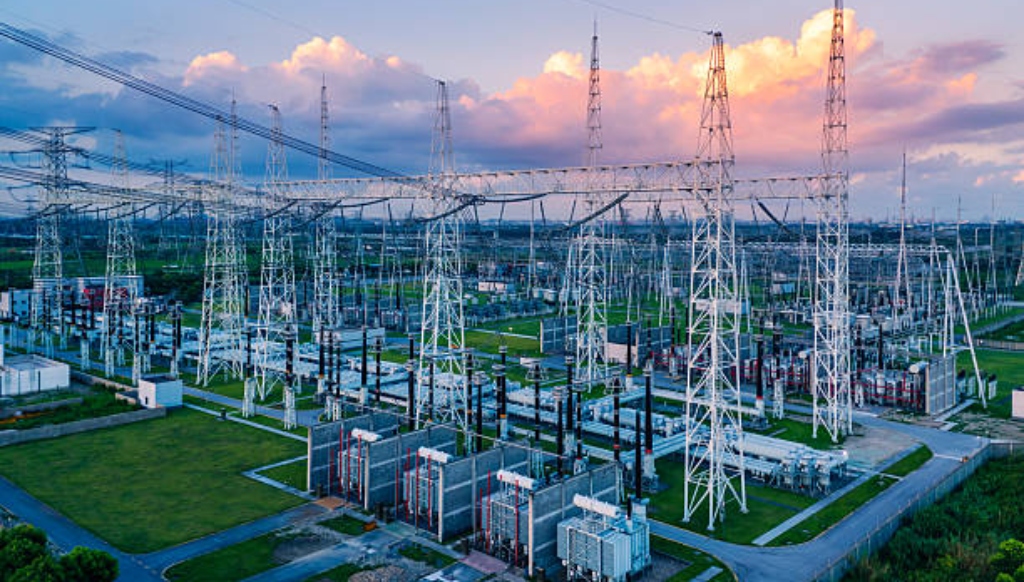
At present, electricity is delivered through 175 grid substations connected by a 21,165km transmission network. Authorities are working to strengthen this system, with 16 new grid substations currently under construction. These additions are expected to increase transmission capacity and improve reliability, particularly in industrial zones.

Power availability has also seen a steady increase. Supply capacity, which stood at 9,237 MW in 2025–26, has risen to 10,440 MW in 2026–27, according to officials. Large industrial units typically receive electricity at 33kV and 11kV levels, and infrastructure upgrades are being carried out to ensure consistent delivery at these voltages.
A significant share of electricity continues to come from central and state generation projects, including 6,996 MW supplied by NTPC, along with additional output from facilities such as Kajra and Chausa. The second unit of the Chausa thermal power plant is expected to become operational soon, while construction of new units at Nabinagar Stage-II and Pirpainti is progressing.
Officials said the measures are intended to ensure sufficient power availability for future industrial growth, improve investor confidence, and support the state’s long-term economic development strategy.