Gaya: The Gaya district administration has finalised a comprehensive plan for the Pitru Paksha Mela 2026, scheduled from September 25 to October 10, with technology, transport, healthcare and crowd-management measures planned for pilgrims.

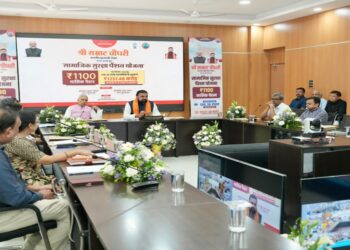
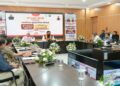
A high-level review meeting was held at the Gaya Collectorate on Saturday under the chairmanship of Urban Development and Housing Minister Nitish Mishra and District Magistrate Shashank Shubham.
Officials said preparations have been underway since July. The administration has formed 21 key cells to manage accommodation, sanitation, water supply, roads, electricity, health, transport, traffic, law and order, information services, lost-and-found services and disaster management.

AI To Monitor Crowds
One of the major features of this year’s arrangements is AI-based crowd management.
According to the administration, 543 CCTV cameras will provide real-time inputs for monitoring crowds and generating alerts. Additional CCTV cameras have also been planned at key locations.
Drone surveillance will be used across the mela area, while police deployment will include watchtowers, plainclothes personnel, patrol teams and dedicated help desks.
The administration has also planned QR-code-enabled bands for children. These bands will be linked to their parents’ mobile numbers to assist in locating children if they become separated from their families.
50 Ring Buses And 150 Free E-Rickshaws
Transport arrangements have been expanded to manage the expected movement of pilgrims.
The administration has identified 18 parking areas in the outer and inner parts of Gaya. Around 50 ring buses will operate to facilitate movement around the city.
For elderly and physically challenged pilgrims, 150 free e-rickshaws have been arranged.
Prepaid auto and taxi counters will also operate at Gaya railway station and Gaya airport to provide visitors with regulated transport options.
70 Health Camps And 125 Doctors
Healthcare facilities will be expanded across the mela area, with 70 health camps planned.
The administration said 125 doctors, 178 paramedical personnel and 52 support staff will be deployed. The camps will have essential medicines, while 12 ambulances, two body-carrying vehicles and five mobile medical teams will remain available.
Additional beds have been reserved at major hospitals, including 100 beds at Magadh Medical Hospital, 10 at Prabhavati Hospital and five at Jaya Prakash Narayan Hospital. A further 125 beds have been earmarked at private hospitals under CGHS rates.
Sanitation And Drinking Water Arrangements
The mela area has been divided into five zones and 54 sectors for civic management. The administration plans to deploy a large sanitation workforce across three shifts.
Special cleaning arrangements have been made for the Falgu River, while robotic machines will be used for drain cleaning. Nine major ponds and ghats, including Brahmasarovar, Rukmini, Pitamaheshwar, Vaitarani, Suryakund and Godavari, are undergoing special cleaning and maintenance.
The administration has arranged 579 toilets, 134 bathing facilities and 74 changing rooms, along with fabricated, deluxe, bio and mobile toilets.
For drinking water, 197 hand pumps and 53 stand posts have been repaired and maintained. RO water facilities have also been planned at 18 major locations.
Power And Lighting
The Vishnupad Temple will receive a dedicated power supply through multiple 33 KV sources and feeder arrangements to ensure uninterrupted electricity during the mela.
Across the mela area, around 24,000 streetlights, including 4,000 new lights, are being installed along with high-mast and mini-high-mast lighting.
Decorative rope lighting will also be installed on around 10,000 poles, while safety coating has been applied to iron poles.
Roads, Parking And Accommodation
The municipal corporation is undertaking 53 road and drain repair schemes, while the Road Construction Department is working on repairs across 35 major roads covering approximately 169.74 km.
The administration has also arranged accommodation facilities for around 75,348 pilgrims and police personnel.
The mela area will have dedicated parking facilities and traffic-management arrangements to regulate the movement of visitors.
Multilingual Assistance And Digital Help
To assist pilgrims arriving from southern states and other parts of the country, authorities will use the Bhashini app and AI-based assistance at ‘May I Help You’ counters.
The Pinddaan Gaya app and LED display screens will provide visitors with information about facilities and services.
A 24-hour toll-free helpline, 9266628168, has also been arranged for assistance and complaints. A main control room will operate from Sawaas Sadan, with mini control rooms at Akshay Vat and Devghat.
Laser Show And Pitruvatika
The administration has planned a laser and sound show at the Rubber Dam and Brahmasat Talab premises as part of the mela’s visitor experience.
Under the ‘Ek Pedh Purvajon Ke Naam’ initiative, pilgrims will also be able to plant trees in memory of deceased family members at Brahmayoni Hill. The Forest Department will maintain the plantation area.
For affordable food, five Jeevika ‘Didi Ki Rasoi’ stalls will serve meals priced at Rs 30.
The administration has said the arrangements are aimed at improving safety, mobility, sanitation and visitor services during the 16-day Pitru Paksha Mela, when pilgrims from across India and abroad are expected to visit Gaya.