
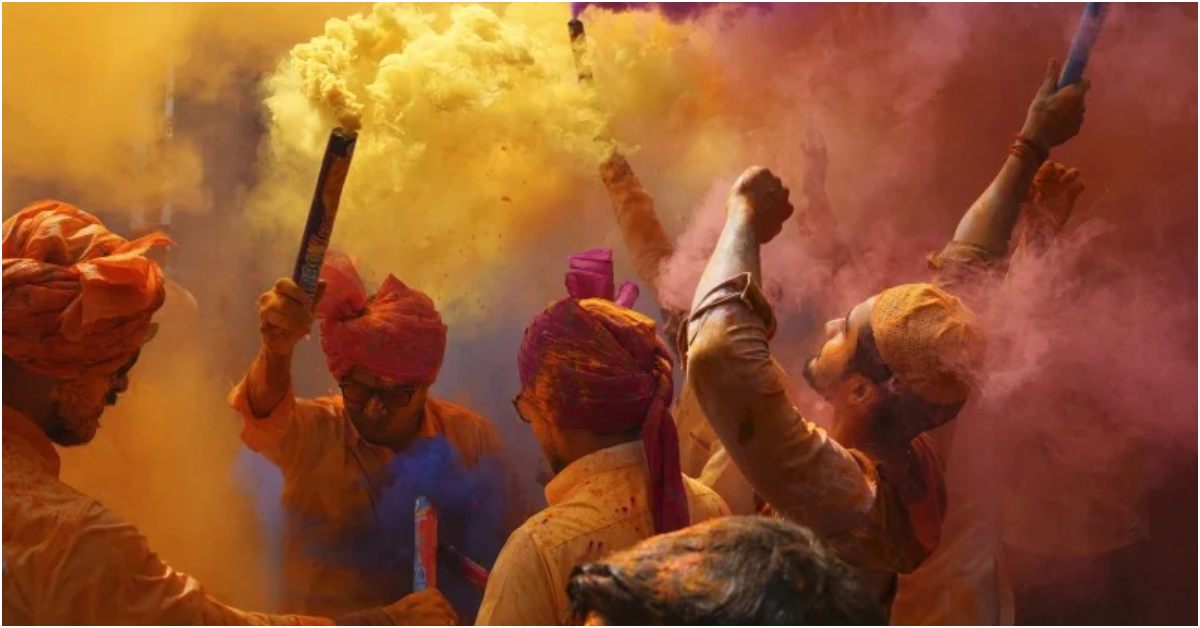
Patna: In Patna, medical professionals have issued a warning about the dangers of synthetic colours and explosive “colour bombs” used during Holi celebrations, urging revellers to recognise symptoms of allergic reactions and seek immediate treatment when necessary.

Cheap, chemically enhanced colours often contain heavy metals such as lead, chromium, mercury and copper sulphate, along with fine mica dust. Health specialists say these substances can trigger skin allergies, respiratory complications, eye infections and metabolic disturbances, posing particular risks to children, people with diabetes and individuals with pre-existing respiratory conditions.
The widely sold colour bombs — small devices that release a burst of pigment or smoke when thrown or activated — can exacerbate asthma and other breathing difficulties. Contact lens users are especially vulnerable, as pigments may become trapped beneath lenses and irritate the cornea. Experts also cautioned against the use of water-filled or colour-filled balloons, noting that impact to the eyes can result in serious injury.

According to ophthalmologists at Indira Gandhi Institute of Medical Sciences, the eyes are highly delicate and require protection during the festival. Expert advised that colour bombs should be used at a distance from the face and only under adult supervision when children are involved. The hospital’s eye emergency department will remain on 24-hour alert to treat any incidents.
Doctors outlined conditions requiring urgent medical attention: injuries from colour bombs or balloons, persistent burning or redness, blurred or lost vision, pus or excessive watering of the eyes, and sensitivity to light. They stressed that wearing contact lenses during Holi can increase the risk of corneal damage if pigments become trapped.
Dermatologists noted that mild itching or dryness after exposure to colours may be common, but severe swelling or burning that persists beyond two hours warrants professional care. Individuals who recently underwent facial treatments such as peels, laser procedures or waxing were advised to avoid coloured powders due to heightened skin sensitivity, which in rare cases can lead to dermatitis or scarring.
Health officials also highlighted risks for people with asthma and other respiratory conditions. Symptoms such as shortness of breath, wheezing, chest tightness or a blue tinge to lips and nails require immediate attention. Wearing an N-95 mask and avoiding crowded areas may reduce exposure to dust and chemical irritants.
For those with diabetes, irregular eating patterns and alcohol consumption during festivities can cause dangerous fluctuations in blood sugar. Expert recommended taking medications on schedule, staying hydrated and monitoring glucose levels closely. Warning signs include extreme weakness, dizziness, excessive thirst and blood sugar readings below 70 mg/dL or above 300 mg/dL.
Medical experts encouraged celebrants to enjoy the festival responsibly by choosing natural colours, supervising children and avoiding substances that could harm skin or respiratory health. Immediate medical consultation is advised if symptoms worsen.
“Health should come first,” one physician said. “Holi is a festival of joy, but precautions ensure that celebration does not lead to preventable injuries.”