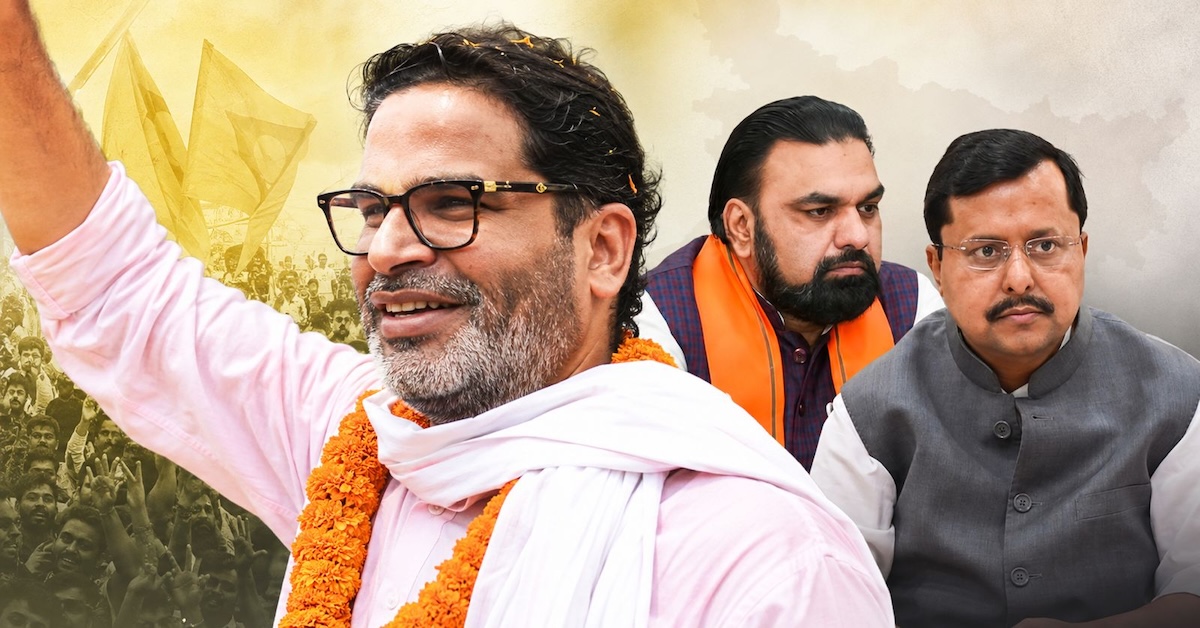
Patna: Prashant Kishor’s emphatic victory in the Bankipur Assembly by-election has done more than send the Jan Suraaj Party into the Bihar Legislative Assembly for the first time. It has broken a political pattern that had remained largely unchanged for three decades.

The constituency, long regarded as one of the Bharatiya Janata Party’s safest urban strongholds, elected Kishor by a margin of 19,324 votes, handing the BJP its first defeat in Bankipur in 30 years.
The seat fell vacant after the resignation of former MLA Nitin Navin, and the BJP’s unsuccessful attempt to retain it has triggered introspection within the party.

State BJP president Sanjay Saraogi said the party would review its performance and identify shortcomings in its election preparations.
The result is particularly striking because the BJP fought the by-election with the full backing of the National Democratic Alliance (NDA), with Chief Minister Samrat Choudhary, ministers, MPs, MLAs and senior BJP and JD(U) leaders campaigning extensively for party candidate Neeraj Sinha.
So, what explains Jan Suraaj’s breakthrough?
A Late Candidate Change
One factor widely discussed in political circles is the BJP’s decision to change its candidate after the nomination process had begun.
The party had initially nominated Abhishek Kumar Sinha ‘Bunty’, who filed his nomination on July 9. Two days later, he withdrew from the contest, and the BJP replaced him with Neeraj Sinha.
Political observers believe the late switch may have created uncertainty among sections of the electorate and disrupted the party’s campaign momentum.
An Uneven Contest
The by-election also presented a sharp contrast in political profiles.
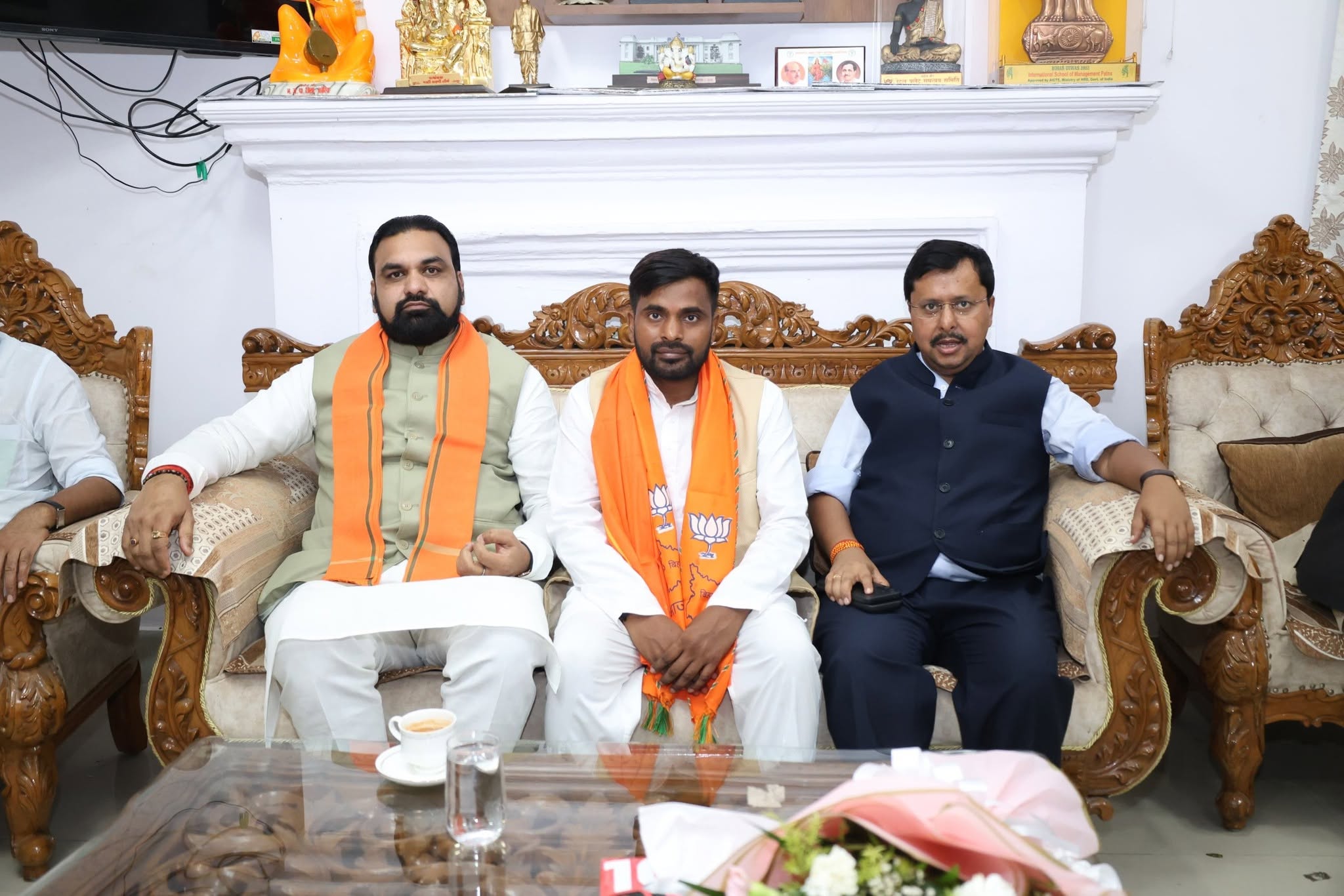
While Prashant Kishor personally entered the contest after years as one of India’s best-known election strategists, the BJP fielded Neeraj Sinha, a grassroots party worker whose organisational experience was largely confined to booth and mandal responsibilities.
Neeraj Sinha had never previously contested an election and was reportedly involved in distributing campaign material when his candidature was announced.
Some political analysts argue that the BJP overlooked more established local leaders, including Ajay Alok and Sanjay Mayukh, whose names had circulated as possible candidates.
Youth Vote And Anti-Establishment Appeal
Election observers also point to the support Jan Suraaj appeared to receive from younger voters.
The party’s campaign focused heavily on governance, employment and education, themes that resonated with many first-time and young voters between the ages of 18 and 35.
Some analysts believe wider public concerns over issues such as the NEET paper leak controversy may also have contributed to dissatisfaction among sections of younger voters, although the precise electoral impact cannot be independently quantified.
View this post on Instagram
Making Inroads Into Traditional Vote Banks
Perhaps the most significant political takeaway is the suggestion that Jan Suraaj succeeded in attracting voters beyond its natural support base.
Political observers believe Kishor made gains among sections of the BJP’s traditional upper-caste electorate, particularly Brahmin voters, while also attracting support from voters traditionally associated with the RJD’s Muslim-Yadav (MY) social coalition.
If sustained beyond a by-election, such cross-community support could reshape Bihar’s political arithmetic ahead of the next Assembly election.
Ground Campaign Over Personality Politics
Unlike many by-election campaigns driven largely by star campaigners, Jan Suraaj invested heavily in grassroots mobilisation.
Prashant Kishor spent nearly three months in Bankipur, holding meetings with residents from different social and professional groups while party workers conducted an extensive door-to-door campaign.
The outreach intensified after the election schedule was announced, helping Jan Suraaj build a sustained local presence in a constituency where the BJP had historically dominated.
View this post on Instagram
A Defining Political Milestone
The final result reflected the scale of Jan Suraaj’s breakthrough.
Prashant Kishor secured 64,151 votes, defeating BJP candidate Neeraj Sinha, who polled 44,827 votes. RJD candidate Rekha Gupta finished a distant third with 14,273 votes, while none of the remaining candidates crossed the 1,000-vote mark.
For Kishor personally, the result marks his first electoral victory after years of shaping election campaigns for other political leaders across the country. For Jan Suraaj, it delivers its first representation in the Bihar Legislative Assembly.
Whether the outcome represents a one-off by-election upset or the beginning of a broader political realignment in Bihar will become clearer only in the run-up to the next Assembly election. For now, however, Bankipur has emerged as one of the most significant political stories in the state in recent years.