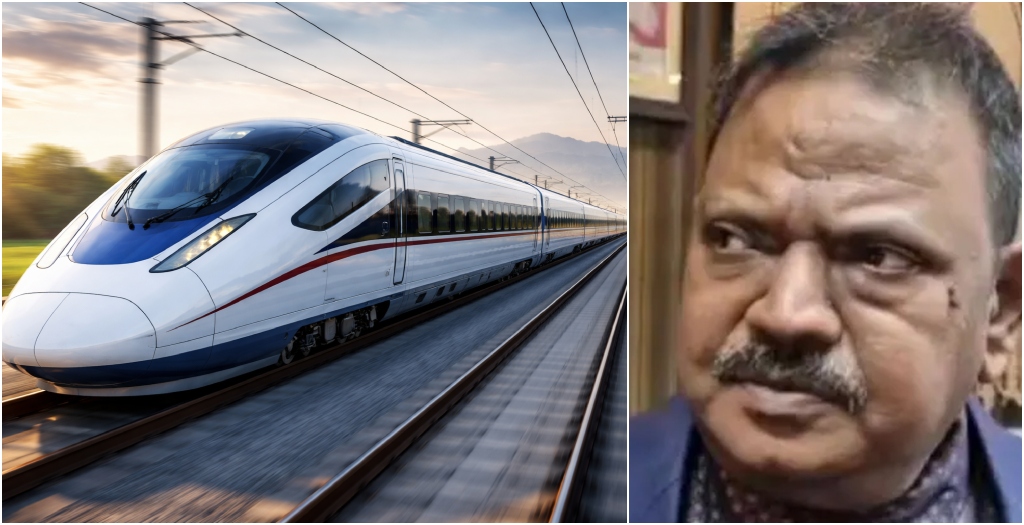
Patna: India’s railway system is preparing for its biggest speed jump in history, moving from the current 120–130 kmph range to an ambitious 300 kmph target. This bold step is being supported by a special training programme at IIT Patna, where 25 selected engineers from different parts of the country are learning how to build and manage high-speed rail systems. Indian Railways says the aim is not just to run faster trains, but to make sure that every part of the system is safe and reliable. The training is closely linked to future bullet train projects as well as upgrades planned for Vande Bharat trains, which are expected to run faster and more efficiently in the coming years.

IIT Patna has now become an important centre for high-speed rail learning in the country. The two-week programme is designed to help engineers understand the technical challenges of running trains at 200 to 300 kmph. They are being trained in advanced track design, modern electrical systems, smart signalling, automatic safety controls and emergency management. Officials say this is not just a classroom exercise, but a real preparation for the future railway network. The knowledge gained here will help engineers create tracks and systems that can handle very high speeds without compromising on safety.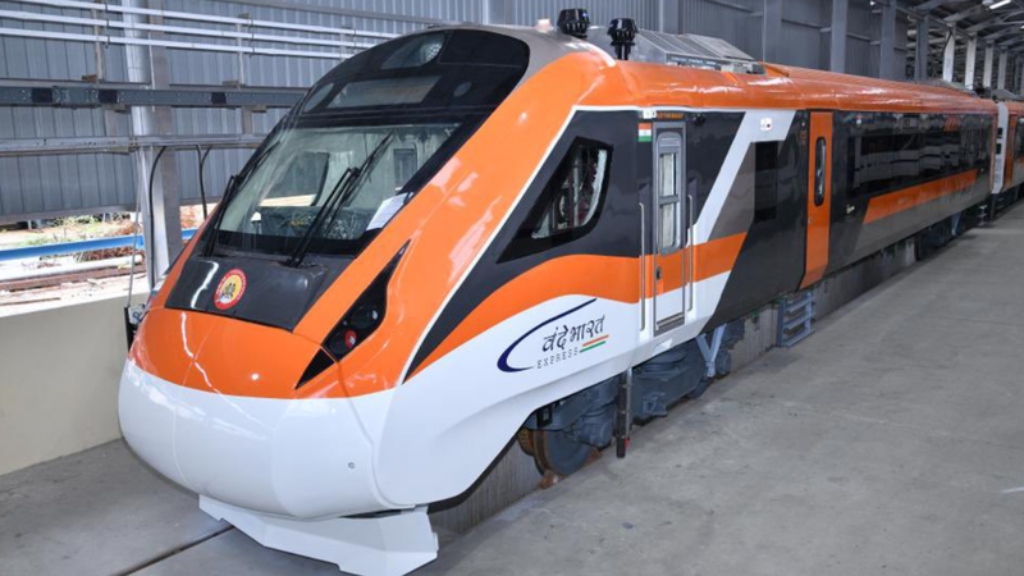
For many years, Indian Railways has been limited by old tracks and technology, which kept train speeds low. Now, with new projects and modern trains, the focus has shifted to stronger tracks, better alignment, ballastless track technology and smart monitoring systems. These changes are essential because high-speed trains need extremely precise infrastructure to avoid accidents. Railways officials believe that without trained engineers and strong technical planning, the dream of bullet trains would remain only on paper.

Speaking about safety, IIT Patna Director Prof T N Singh said that high-speed rail must meet the highest safety standards. He explained that safety should be complete and not partial, especially when trains move at such high speeds. Understanding modern signalling, automatic train protection and high-voltage systems will play a major role in reducing risks. These technologies can quickly detect problems and stop trains before accidents happen, making high-speed travel safer for passengers.
Looking ahead, Indian Railways plans to run around 800 pairs of high-speed and semi-high-speed trains by the year 2030. The engineers trained at IIT Patna are expected to play a key role in making this vision a reality. What has started in Bihar is now being seen as a major step towards transforming the country’s railway system, bringing faster travel, better safety and a modern rail network for millions of passengers across India.