Patna: Women across India are observing the auspicious Jiutiya fast today with great devotion and discipline. Also known as Jeevatputrika Vrat, this festival is celebrated every year on Ashwin Krishna Ashtami and is considered one of the most important fasts for mothers. It is believed that by observing this vrat, women ensure the well-being, long life, and prosperity of their children, and the growth of their family lineage.

Astrologers say that this year’s fast is especially significant as it falls under Rohini Nakshatra and Jayad Yoga, which together create a favourable combination. According to astrologer Pandit Rakesh Jha, the Ashtami tithi began at 8:41am today and will continue until 6:36am on Monday, September 15. Women will perform Parana — the ritual of breaking the fast — after the end of Ashtami tithi on Monday morning.
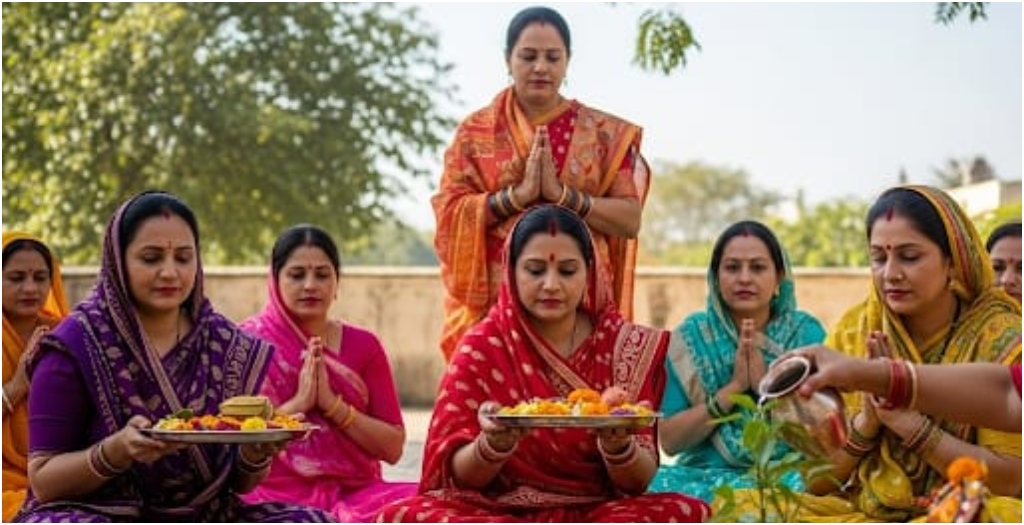
Jiutiya is a Nirjala fast, which means that women do not eat or drink even a drop of water throughout the day. Despite the physical challenge, thousands of women observe this fast with faith, believing it protects their children from harm and grants them good health and a long life. On this day, women rise early, take a bath, wear clean clothes, and prepare for the rituals. They make a small idol of King Jimutvahan from kush grass and worship him along with Goddess Lakshmi and Goddess Durga.

Listening to the story of King Jimutvahan is a central part of the vrat. According to legend, Jimutvahan was a compassionate king who sacrificed his own life to save the Naga dynasty from destruction. His story, first narrated by Lord Shiva to Goddess Parvati, inspires values of sacrifice, duty, and compassion. It is said that fasting and listening to this story removes the effects of Nagadosha from the family and keeps children disease-free.
Pandit Gajadhar Jha recalls another tale associated with Jiutiya, involving two friends Chulhorin and a jackal who observed the fast together. While Chulhorin remained faithful to the fast, the jackal broke it by eating meat. In their next births, Chulhorin became Sheelavati, who had seven healthy sons, while the jackal was reborn as Karpooravati, whose seven sons all died. This story is told as a reminder of the power of devotion and the importance of keeping the fast with sincerity.
After a day of worship and prayer, the fast is completed with Parana the next morning. Women break their fast by eating Kerav, a special meal prepared for the occasion. Charity is also an important part of the ritual women often donate food and grains before the fast, which is believed to bring prosperity to the home and protect the family from poverty.
Even in modern times, Jiutiya remains a festival of love and sacrifice. It is not just about religious belief but also about the deep bond between mothers and their children. For many women, this fast is a way to express gratitude, to pray for their children’s safety, and to connect with tradition.