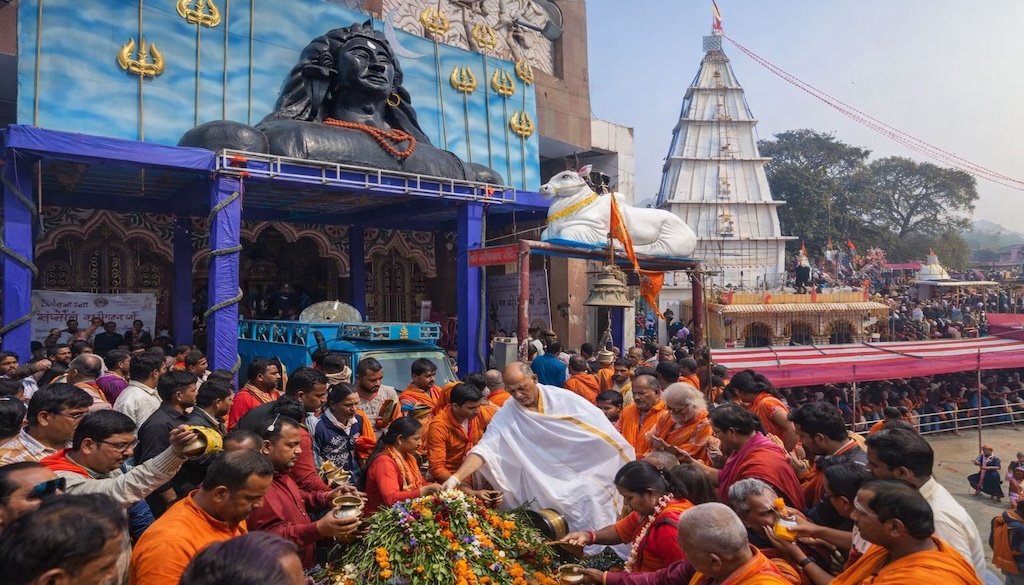
Patna: Mahashivratri is being celebrated across Bihar today with devotees observing fasts, night-long vigils and special prayers marking what is considered the holiest of the twelve Shivaratris in the Hindu calendar.

Observed on the Chaturdashi tithi of the Krishna Paksha in the month of Phalgun, the festival commemorates the divine marriage of Lord Shiva and Goddess Parvati. Devotees keep nirjala fasts, offering bel leaves, milk and water during the four prahars (watches) of the night, and prepare for the Nishith Kaal puja around midnight, regarded as the most auspicious moment for worship.
From early morning, chants of “Har Har Mahadev” echoed across temple courtyards as crowds gathered for Jalabhishek and Rudrabhishek ceremonies. Administrations across districts deployed additional police personnel and volunteers to manage crowds and ensure smooth movement.

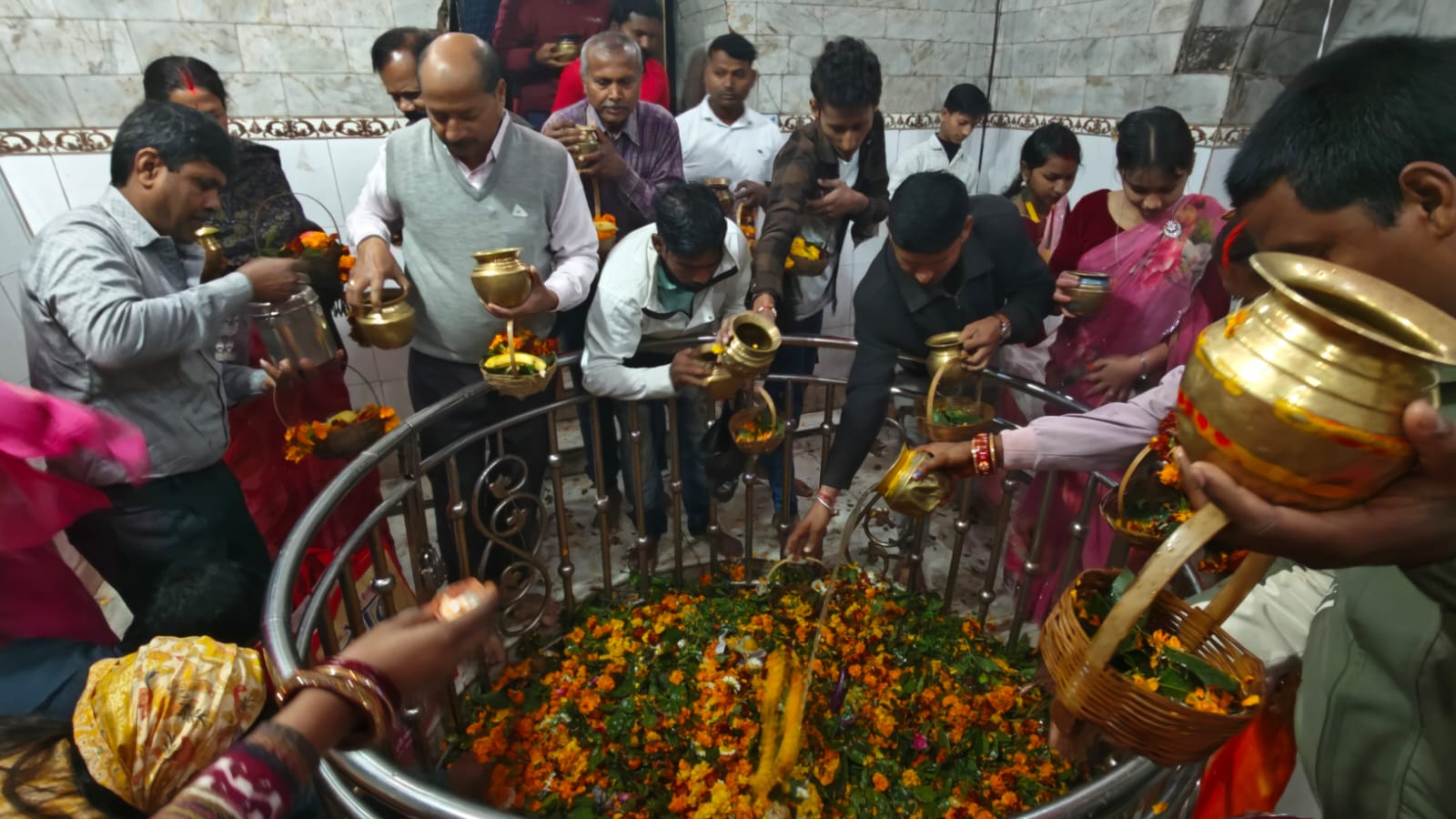
In Patna district, the Budhwa Mahadev Temple, also known as the Gauri Shankar Temple in Veer Oriyara under Dhanarua block, drew large numbers of devotees. The temple is known for its five-foot-tall self-manifested Shivalinga, believed to have been discovered during ploughing. One side of the idol is said to depict Goddess Gauri and the other Lord Shiva. Devotees attribute the shrine with fulfilling wishes related to marriage and childbirth.
In Muzaffarpur, preparations at the Baba Garibnath temple included a ceremonial five-foot turban for the deity, with a smaller three-foot turban for the symbolic wedding procession. The practice, carried out without charge for nearly seven decades, continues under the fourth generation of a local artisan family.
Elsewhere, devotees gathered in large numbers at the Neelkanth Narmadeshwar Mahadev Temple in Ramnagar, East Champaran; the Sagar Pokhara Manokamna Mahadev Temple; the Ugranath Mahadev Temple in Bhawanipur; the Kalyaneshwar Mahadev Sthan in Harlakhi; and the Baba Bhuneshwarnath Mahadev Temple at Dekuli Dham.
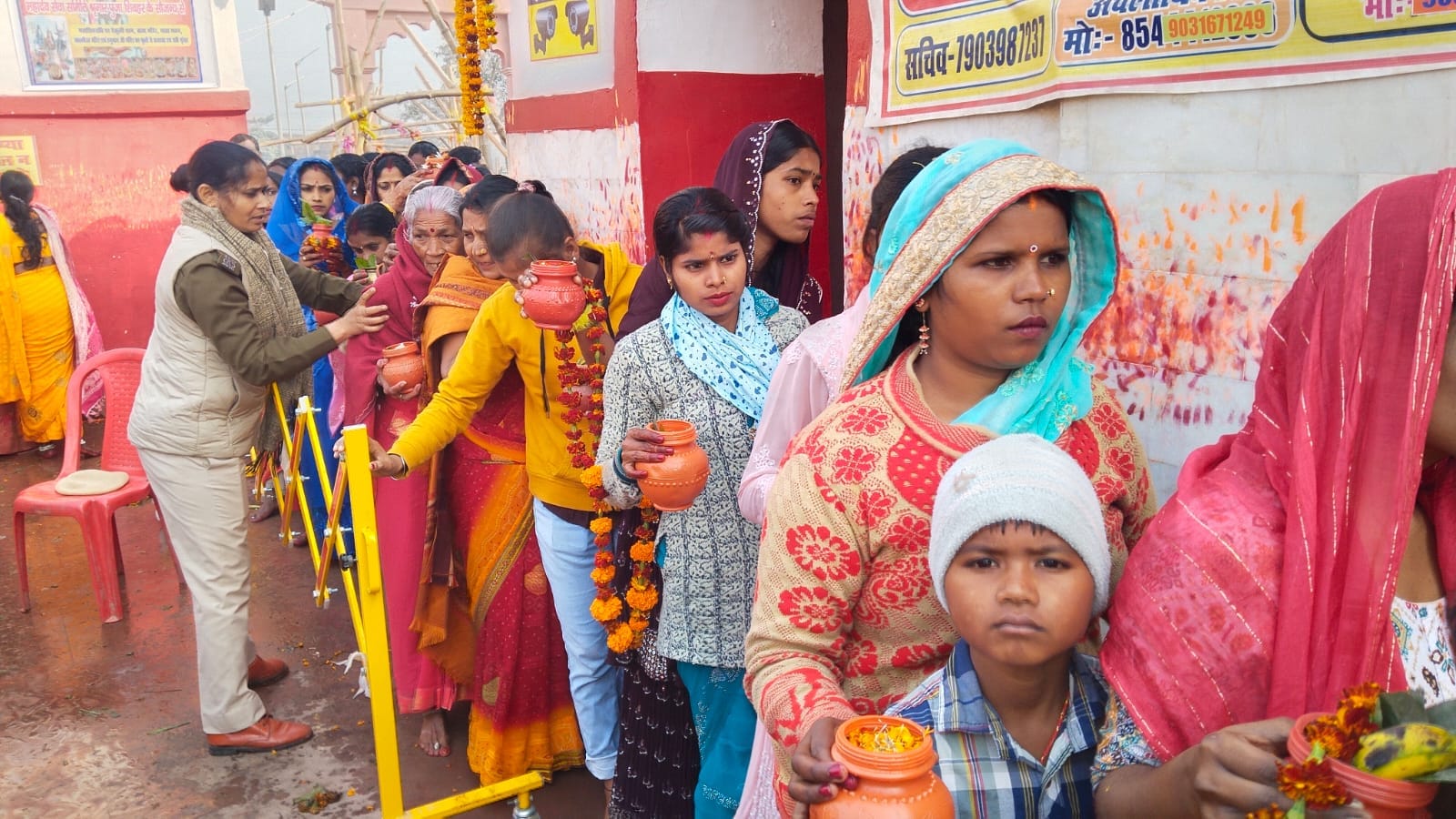
At several temples, the coincidence of Mahashivratri falling on a Sunday led to particularly heavy footfall. Authorities strengthened security arrangements, including along routes such as Dubaghat on the Bagmati river, where devotees collected water for ritual offerings.
Bhajans and kirtans were scheduled to continue through the day and into the night, as temples across the state remained centres of faith, ritual and community gathering.