Kuala Lumpur / Rajgir: Prime Minister Narendra Modi announced the establishment of a Centre for Southeast Asian Studies at Nalanda University during the 22nd ASEAN–India Summit in Kuala Lumpur, marking a significant step in India’s diplomatic and academic outreach under the Act East Policy.

The proposed centre, to be housed within the Nalanda University campus in Rajgir, Bihar, will focus on regional studies, policy dialogues, and collaborative research among scholars and institutions across ASEAN member nations and India. It will also serve as a knowledge platform within the East Asia Summit framework, encouraging long-term partnerships between academia, policymakers, and think tanks.
Announcing the initiative, PM Modi said the centre reflects India’s growing engagement with ASEAN nations and its emphasis on building “bridges of knowledge and culture” rooted in shared civilizational history.

The announcement was warmly received by Nalanda University, which described the move as a reaffirmation of its historic role in fostering transnational learning and dialogue.
In an official statement, the university said:“Nalanda University welcomes this announcement that will strengthen its role in further encouraging civilizational and knowledge linkages across South East Asia.”
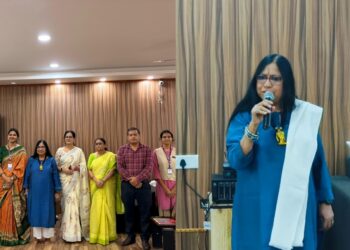
Vice-Chancellor Professor Sachin Chaturvedi expressed gratitude for the recognition, calling it a milestone in the university’s academic journey. “We are delighted,” he said. “The partnership of Nalanda University with ASEAN and other countries in the region is age-old. The Centre for Southeast Asian Studies is our commitment to the East Asia Summit process.”
The original Nalanda University, established in the 5th century CE in ancient Magadha, was among the world’s earliest centres of higher learning, attracting scholars from China, Korea, Japan, Tibet, and Southeast Asia. The modern university, revived in 2014 through a multilateral initiative involving India and East Asia Summit member nations, continues to symbolise the spirit of knowledge exchange that once defined Asia’s intellectual landscape.
The new centre is expected to host joint academic programmes, visiting fellowships, and regional policy conferences, reinforcing Nalanda’s role as a cornerstone of India’s cultural diplomacy and its ambition to position education as a pillar of regional cooperation.