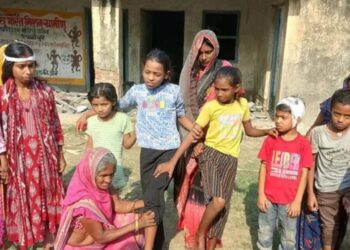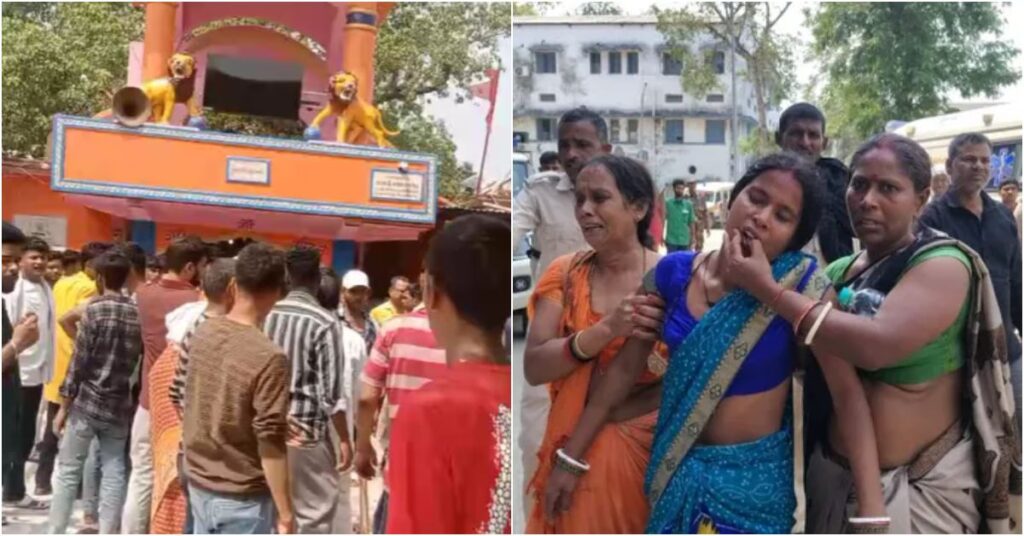
Nalanda: A stampede at the Sheetla Mata temple in Nalanda district on Tuesday left nine devotees dead, raising serious questions about administrative preparedness and crowd management at the popular shrine. The incident occurred around 9:30 am on March 31, after a large number of devotees gathered at the temple for Tuesday prayers.

By evening, authorities attempted to restore normalcy at the temple premises. Compensation was announced for the families of the deceased, and the evening aarti was conducted as scheduled.
The tragedy took place in the home district of Bihar Chief Minister Nitish Kumar, at a time when the district was already on high alert due to the visit of President Droupadi Murmu to the Nalanda International University convocation ceremony. Despite the heightened security arrangements in the district, the stampede exposed significant lapses in crowd management and coordination among authorities.

Preliminary findings indicate that there were no adequate arrangements to manage the large gathering at the temple, where thousands of devotees are known to visit every Tuesday. Reports suggest that more than 25,000 people had gathered on the day of the incident. However, neither the local administration nor the police had made sufficient preparations to regulate the crowd.
Officials and Responsibilities Under Scrutiny
The district administration is responsible for maintaining law and order and ensuring public safety during large gatherings. As the head of the district administration, the District Magistrate is tasked with monitoring such events, deploying magistrates, and, if necessary, imposing restrictions under preventive provisions.
However, despite being engaged in security arrangements for the presidential visit and deploying officials across the district, the administration reportedly failed to anticipate the crowd that assembled barely 5 kilometres from the district headquarters.
Similarly, the Superintendent of Police is responsible for maintaining security across the district and receives inputs from local police stations and intelligence units about potential gatherings. Reports indicate that around 2,500 personnel were deployed for the presidential visit and nearby police stations were placed on high alert. Yet, authorities reportedly did not receive information about the scale of the crowd at the temple, which lies just 3 kilometres from the Deepnagar police station.
Local police officials are also expected to deploy personnel at the temple every Tuesday, when heavy footfall is routine. However, eyewitnesses said there were no police personnel present inside the temple complex at the time of the incident. No patrol vehicle was reportedly stationed near the premises either.
Questions have also been raised about the role of the local Sub-Divisional Magistrate and the police station in-charge, who are responsible for monitoring public gatherings and ensuring adequate arrangements to prevent law and order problems.
Allegations Against Temple Management
The temple management committee has also come under scrutiny for failing to inform the authorities about the scale of the gathering. According to local residents, no formal information about the expected crowd or arrangements for crowd control was shared with the police or district administration.
Eyewitnesses alleged that some priests inside the temple allowed devotees to enter the shrine out of turn in exchange for money under the pretext of “special puja,” leading to resentment among those waiting in long queues. This reportedly triggered pushing and chaos among the crowd.
The sanctum of the temple is said to have a capacity of around 20 people, but more than 100 devotees were reportedly present inside the area at the time, creating a dangerous level of congestion.
Delayed Emergency Response
Another major concern raised by devotees was the delay in emergency response after the stampede. Witnesses claimed that ambulances arrived nearly 40 minutes after repeated calls for help. During that time, injured devotees reportedly lay on the ground and some were transported to hospitals in e-rickshaws by locals.
Temple Economy and Weekly Auction System
Local sources say the temple operates under a weekly auction system for conducting rituals and managing offerings on Tuesdays. According to the temple committee treasurer, about 100 priests from the area take turns conducting prayers at the shrine. The rights for a particular day are sometimes sold through bidding, with amounts ranging from Rs 50,000 to over Rs 1 lakh.
The priest who wins the bid receives the offerings and donations for that day. Critics allege that this system often leads to aggressive attempts to maximise donations, with devotees sometimes allowed priority entry for additional payments.
Violation of Safety Guidelines
The National Disaster Management Authority (NDMA) has issued detailed guidelines for preventing stampedes at crowded places such as temples, railway stations, and public gatherings. These include estimating crowd size in advance, installing barricades, deploying adequate police personnel, ensuring multiple entry and exit points, and maintaining clear communication between organisers and authorities.
However, reports suggest that none of these guidelines were followed at the temple. There were no barricades, no structured queue system, and only a single entry and exit route to the sanctum.
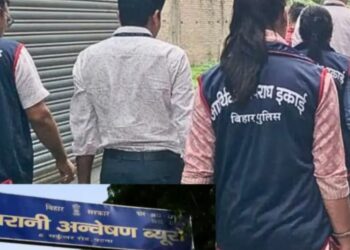
Investigation into the incident is ongoing, and authorities are expected to examine the roles of the district administration, police officials, and the temple management in the tragedy.