
Patna: Alcohol consumption among men in Bihar has increased despite the state’s prohibition policy, according to findings from the sixth round of the National Family Health Survey (NFHS-6), released on May 29.

The survey found that 16.5% of men aged 15 and above consume alcohol, up from 15.4% recorded in NFHS-5. The increase comes nearly a decade after Bihar implemented a statewide ban on the sale and consumption of alcohol.
Rural Areas Report Higher Alcohol Consumption

The survey indicates that alcohol consumption is more prevalent in rural Bihar than in urban centres.
According to the data, 17.1% of men in rural areas reported consuming alcohol, compared with 12.8% in urban areas. The findings suggest that alcohol use remains widespread in villages despite legal restrictions.
The report does not identify specific causes for the trend. However, concerns over illicit liquor networks and enforcement challenges in rural areas have been raised by social activists and local observers.
Institutional Deliveries Improve
The survey also recorded progress in maternal healthcare indicators.
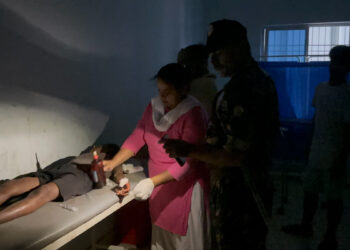
Institutional deliveries in Bihar increased from 76.2% in NFHS-5 to 81.1% in NFHS-6, indicating that a larger proportion of women are giving birth in healthcare facilities.
Health experts generally view institutional deliveries as an important factor in reducing maternal and infant mortality.
Sharp Difference In Caesarean Delivery Rates
NFHS-6 data reveals a significant disparity in Caesarean section rates between government and private healthcare facilities.
Overall, 13.2% of births in Bihar were delivered through Caesarean section. However, only 2.7% of deliveries in government hospitals involved surgical intervention.
In contrast, 49.3% of deliveries in private hospitals were performed through Caesarean section. The figures show that nearly one in two births in private facilities involved surgery.
The survey does not provide reasons for the difference, but the data may prompt further examination of clinical practices and healthcare regulation in the private sector.
Domestic Violence Remains A Concern
The report also highlights concerns related to violence against women.
NFHS-6 recorded a marginal increase in gender-based violence compared with the previous survey. Women aged 18 to 29 were identified as the group most affected.
The survey found that urban women reported slightly higher levels of violence than women in rural areas. It also noted that 5.4% of married women aged 18 to 49 experienced violence during pregnancy.
Calls For Greater Oversight
Women’s rights organisations have called for stronger implementation of social welfare and public safety measures.
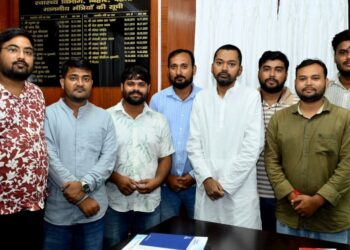
Among them, members of the All India Progressive Women’s Association (AIPWA) argued that the continued availability of alcohol in some areas points to weaknesses in enforcement mechanisms.
The NFHS-6 findings provide a detailed snapshot of Bihar’s social and health indicators, highlighting both areas of progress and challenges that remain for policymakers.