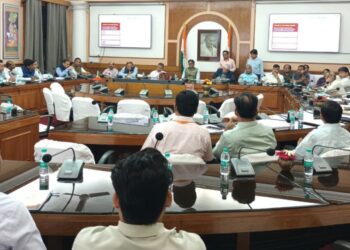
Patna: The Nitish Kumar-led Bihar government has taken a significant decision that is drawing wide attention across the state. In a cabinet meeting chaired by the chief minister, the government approved a proposal allowing ministers and a group of senior MLAs to keep two government bungalows each. The meeting, held on Tuesday, cleared as many as 41 agenda items, many of which are expected to influence administration, employment and political dynamics in Bihar.

According to officials, the cabinet also approved the creation of a large number of new posts in different government departments. The government said this move would help strengthen administrative work and create new job opportunities for the youth of Bihar. With these new posts, the state hopes to improve service delivery while also addressing the long-standing demand for more government employment among young people.
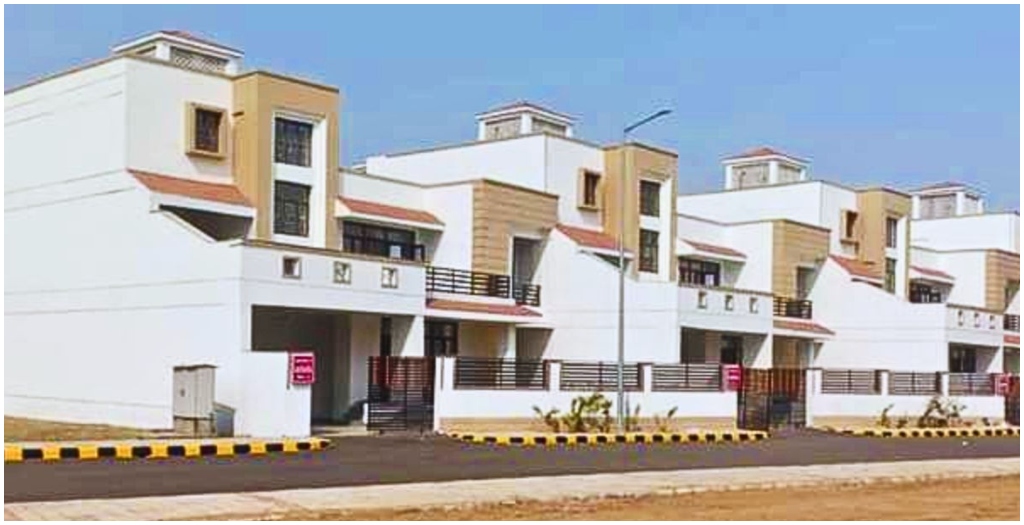
The most discussed decision, however, was related to the accommodation of elected representatives. The cabinet approved the allotment of 15 additional government bungalows to senior MLAs who are not part of the council of ministers. These MLAs will receive bungalows from the central pool on rent, in addition to the accommodation already allotted to them from the Legislative Assembly pool based on their constituencies. Officials said this step was taken to address long-pending demands from senior legislators.

The cabinet also cleared a similar benefit for ministers and top constitutional office holders. All ministers, along with the Speaker and Deputy Speaker of the Legislative Assembly and the Chairman and Deputy Chairman of the Legislative Council, will now be entitled to two residences each. One residence will come from the central pool under the building construction department, while the second will be provided from the Legislative Assembly pool as constituency-wise accommodation.
Controversy over government bungalows is not new in Bihar. In the past, the issue of official housing for ministers, MLAs and former office holders has often led to political arguments and public criticism. With this fresh decision, political debate is expected to grow sharper, as opposition parties question the move while the government insists it is an administrative decision taken within existing rules.