Patna: The Bihar government has reaffirmed its commitment to preserving traditional folk arts, folk songs and cultural heritage, with the state’s culture minister calling their protection a top departmental priority.
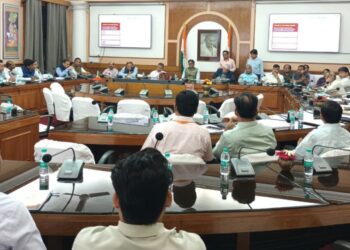
Speaking at a review meeting held at the Bihar Museum in Patna on Tuesday, Minister of Art and Culture Arun Shankar Prasad said that special attention must be given to safeguarding folk songs that are on the verge of disappearing. He emphasised that cultural traditions were a living heritage and should be actively nurtured through policy, planning and grassroots engagement.
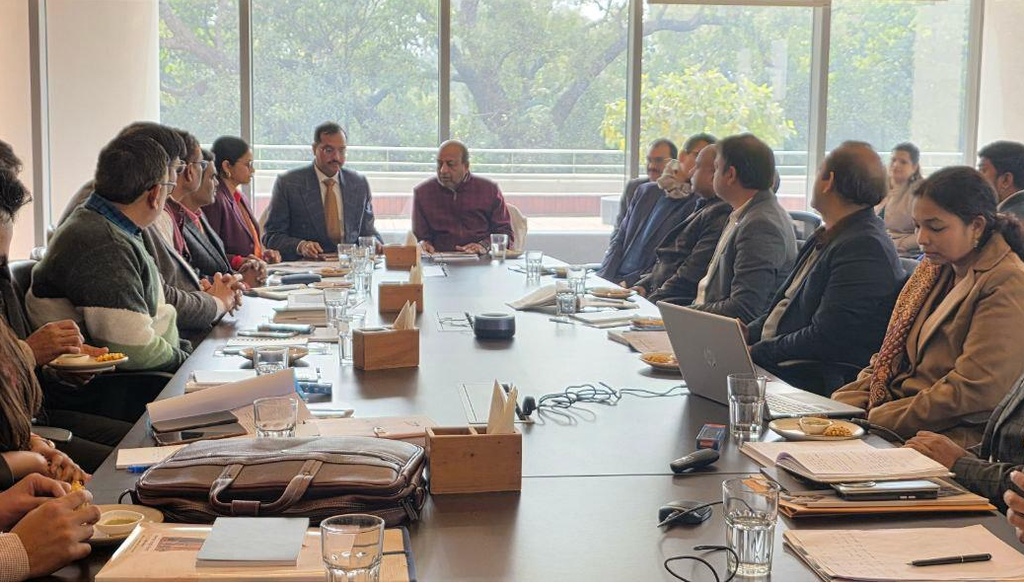
Prasad directed officials to ensure that local artists are given priority in all cultural programmes organised by the department. He also announced plans to hold a meeting with film producers and directors in Mumbai during March and April to strengthen dialogue with stakeholders regarding the state’s film policy.
Highlighting the importance of heritage conservation, the minister said that museums must maintain updated master data of all preserved artefacts, along with regular verification, to ensure their safety and proper documentation.
During the meeting, department secretary Pranav Kumar reviewed the progress of various cultural initiatives and interacted with district art and culture officers from across Bihar. A district-wise assessment of artist registration showed that Bhagalpur, Purnia and Gaya had relatively low numbers of registered artists, prompting instructions to accelerate the process in these areas.

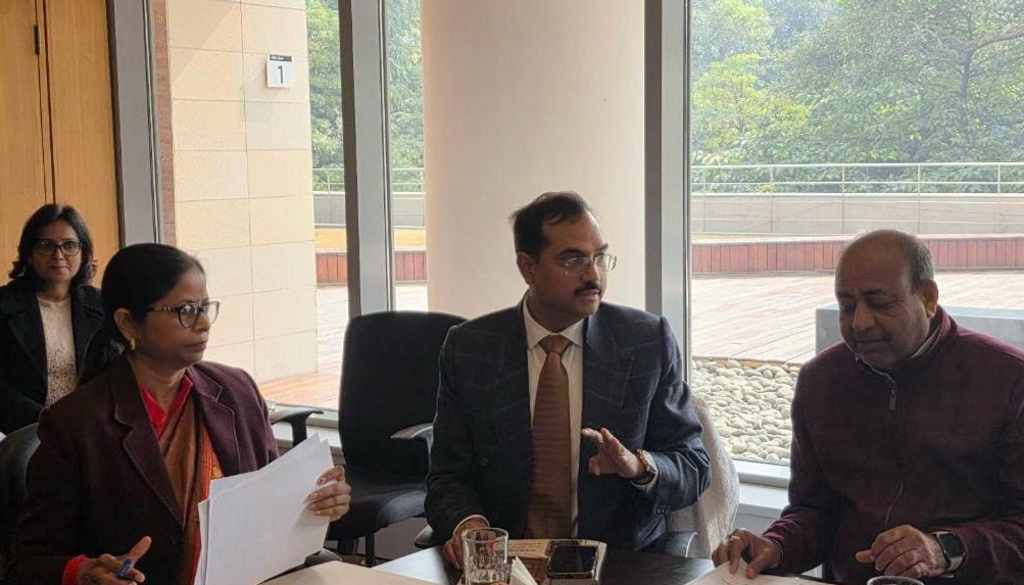
The secretary clarified that artists who lack formal certificates can still be registered or verified based on authentication by recognised artists, ensuring that traditional practitioners are not excluded from government support systems.
He also directed officials to carry out regular inspections of Atal Kala Bhavan and auditorium construction projects and ensure that work is completed on time and according to approved plans. In Rohtas, Gopalganj and Vaishali districts, where land for Atal Kala Bhavan has not yet been provided, authorities were instructed to identify and allocate suitable land at the earliest.
On the artist pension scheme, officials were asked to resolve age-verification issues promptly so that eligible artists can receive financial support without delay. The meeting also discussed archaeological conservation proposals, regular field inspections, effective use of museum halls in districts and the possibility of weekly screenings of socially relevant films.
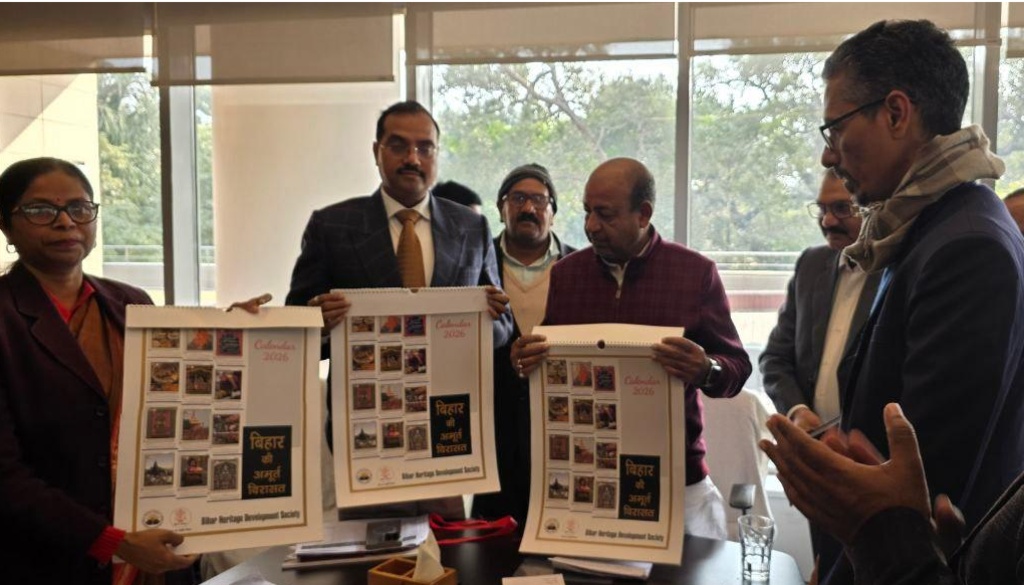
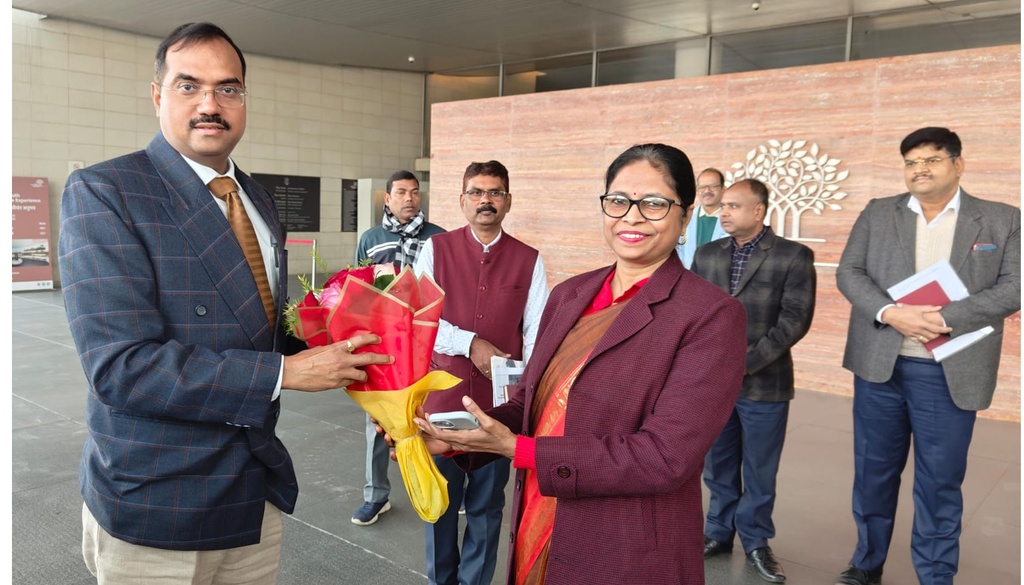
The session concluded with the launch of the department’s annual calendar by the minister. The secretary presented a copy of the calendar and explained the significance of the photographs featured in it. Senior officials from the museum directorate and the culture department were present, and the vote of thanks was delivered by the director of the Directorate of Cultural Affairs.