Patna: With the exit of former Chief Minister Nitish Kumar, questions are being raised over the future of the Janata Dal (United) (JD(U)) in Bihar—whether the party will sustain its influence or gradually weaken. Political observers say the answer may lie in Kumar’s final moves before stepping aside.

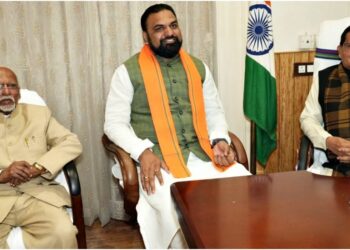
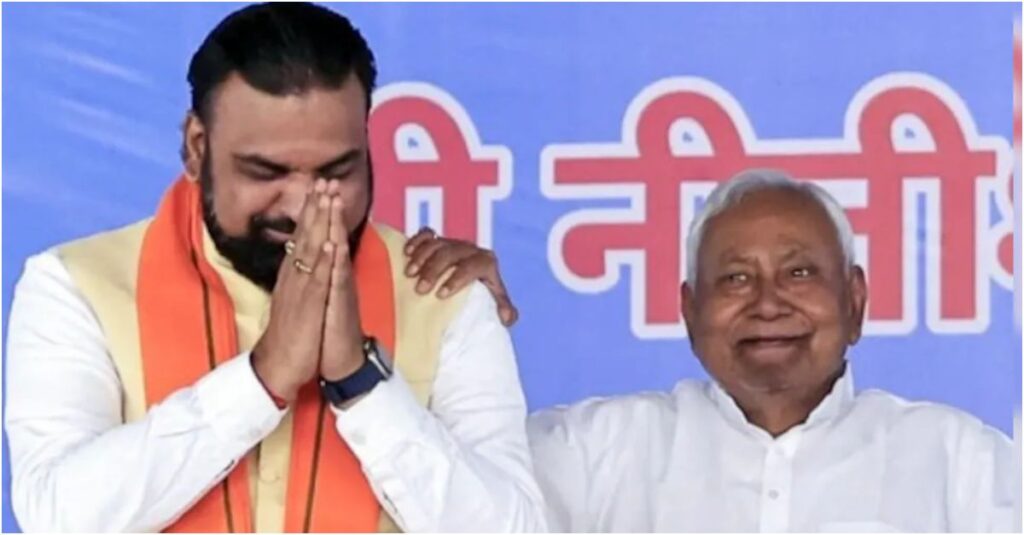
By backing Samrat Choudhary as Chief Minister and ensuring the appointment of trusted leaders as Deputy Chief Ministers, Kumar appears to have attempted to secure his party’s political base and relevance in the state.
Strengthening Social Coalition

Analysts believe one of Kumar’s key strategies was to reinforce the traditional Kurmi–Koeri social alliance, often referred to as the “Lav-Kush” equation, which has been central to his political success for over two decades. By supporting Choudhary, who comes from the Koeri (Kushwaha) community, Kumar has signalled a shift aimed at consolidating this voter base even after his exit.
Political experts note that this move could help JD(U) maintain its appeal among backward caste voters, particularly if the party seeks to reposition itself independently in the future. However, its effectiveness may depend on whether the BJP continues to project leaders from the same community.
Outreach to Upper Castes
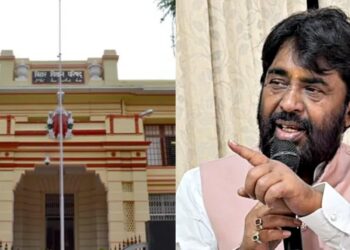
Kumar also backed the appointment of Vijay Kumar Choudhary as Deputy Chief Minister. A senior and trusted JD(U) leader, he is seen as a key face for outreach to upper caste voters, particularly the Bhumihar community.
Observers say this move sends a message that JD(U) remains open to offering significant representation to communities traditionally aligned with the BJP. It also positions the party as an alternative option for these voters in the long term.
Signal to Yadav Voters
The second Deputy Chief Minister, Bijendra Prasad Yadav, is among the most senior leaders in JD(U) and represents the Yadav community, a significant voter base in Bihar politics traditionally associated with Lalu Prasad Yadav and Tejashwi Yadav.
By elevating Bijendra Yadav, Kumar appears to have sent a broader political message aimed at keeping channels open with Yadav voters and avoiding direct confrontation with rival leadership. Analysts suggest this could also help maintain flexibility for future political alignments.
Balancing Future Leadership
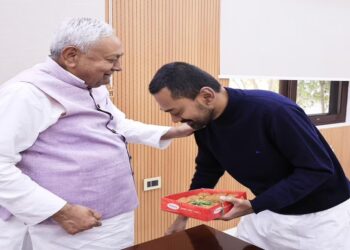
Sources indicate that Kumar’s decisions may also be linked to succession planning within JD(U), with his son Nishant Kumar expected to play a larger role in the coming years. Appointing trusted and senior leaders is seen as a way to ensure stability during a potential leadership transition.
Political Calculations Ahead
Senior journalists and analysts point out that Kumar’s final political arrangement attempts to balance multiple caste equations, covering a significant portion of Bihar’s electorate. By doing so, he has sought to position JD(U) as a relevant force even in a BJP-led government.
At the same time, these moves are being viewed as an effort to counter both the BJP’s expanding outreach among backward classes and the Rashtriya Janata Dal’s hold over Yadav voters.
While the long-term impact remains uncertain, Kumar’s strategy indicates a calculated attempt to shape Bihar’s political landscape even after stepping down from the top post.