Dr. Rajiv Sahay
The recently concluded Bihar Assembly Election 2025 has resonated far beyond the state’s borders. Among Non-Resident Biharis (NRBs), scattered across Indian metros and global cities from Dubai to Dallas, the sweeping mandate for the National Democratic Alliance (NDA) has been read as both a reaffirmation of Bihar’s democratic robustness and a reminder of their enduring cultural ties.

The NDA’s emphatic victory—202 of 243 seats, well above the majority mark—has provided the backdrop to this reflection. The BJP emerged as the largest party with 89 seats, closely followed by JD(U) with 85. Smaller allies, including the Lok Janshakti Party (Ram Vilas), the Hindustani Awam Morcha- Secular and the Rastriya Loktantrik Morcha, buttressed the coalition’s dominance. Meanwhile, the Mahagathbandhan, led by the RJD with 25 seats, was reduced to 35, forming a weakened opposition.
For NRBs, however, the election has never been just about numbers. Instead, it has acted as a prism through which they assess Bihar’s future—and, by extension, the well-being of family members who remain at home. Many NRBs describe the verdict as a vote for stability. Others see in it the possibility of a long-awaited leap in development.

From WhatsApp groups in Kuala Lumpur to community gatherings in London, NRBs tracked the campaign and counting day with an intensity that speaks to their emotional pull towards Bihar. Their reflections broadly crystallise around three themes.
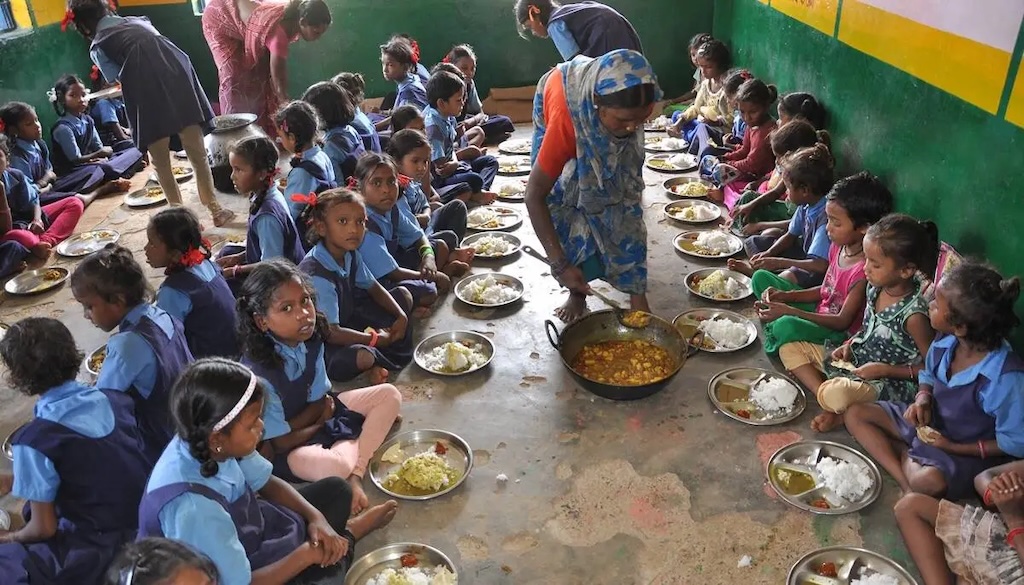
First, there is the expectation that healthcare and education—issues that affect every household—will finally receive sustained attention. NRBs often shoulder medical expenses for relatives or contribute to children’s schooling from afar; they know the gaps intimately. A strong government, many argue, must bridge them.
Second, migration looms large. For decades, outward movement—towards Delhi, Punjab, the Gulf or further west—has been an economic survival strategy. Many NRBs see the NDA mandate as an opportunity to reverse this pattern by boosting local infrastructure, jobs and entrepreneurship. “If development becomes real and not rhetorical, our younger generations might not need to leave,” a software professional in Singapore said.
Finally, there is the cultural dimension. For NRBs, political stability is tied to a deeper confidence about identity. A functioning, forward-looking Bihar strengthens their own sense of pride abroad. “We may live outside Bihar,” said one community leader from Canada, “but elections always remind us that our roots matter. When things improve back home, our sense of belonging strengthens too.”
As Nitish Kumar returns for an unprecedented tenth term, many NRBs hope the mandate will be translated into meaningful, inclusive governance—one that narrows historical disparities, expands opportunity and restores Bihar’s place in the national imagination.
The 2025 election may have been fought and won within Bihar, but its reverberations are unmistakably global. For Non-Resident Biharis, this moment represents far more than a change of government: it symbolises a continued conversation with home, shaped by aspiration, concern and an enduring emotional tether.
(The writer, a native of Patna, is a Florida-based community leader and currently serves as President of the Volunteers of India Culture, Art & Science Society.)