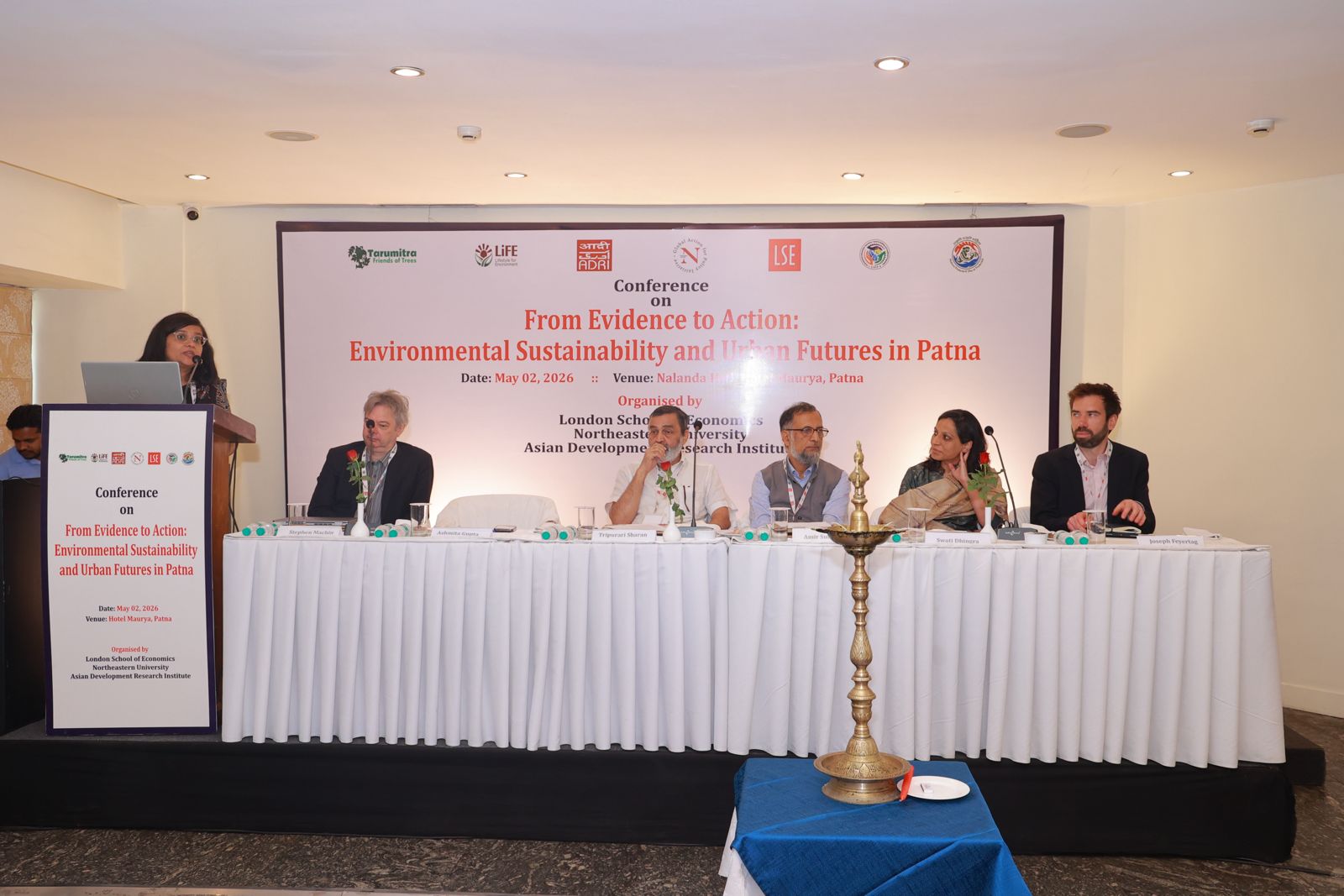
Patna: A one-day conference on environmental sustainability and urban development brought together international academics, policymakers and researchers in Patna, with a focus on translating evidence-based research into actionable policy.

The conference, titled “From Evidence to Action: Environmental Sustainability and Urban Futures in Patna”, was jointly organised by London School of Economics, Northeastern University and Asian Development Research Institute (ADRI).
Behavioural Change Key To Waste Management

Dipak Kumar Singh, additional chief secretary in the Bihar government, said environmental protection requires changes in public behaviour, particularly in waste segregation at the household level.
He noted that effective waste management depends on citizens separating waste at the source, rather than relying solely on municipal systems.
Research Highlights Cost-Effective Solutions
Swati Dhingra of the London School of Economics presented findings from a study conducted in Patna on waste segregation.
The research showed that training households to segregate waste resulted in benefits five times greater than the costs involved. Participants continued the practice even after the study ended.
She also noted that nearly 40% of the Patna Municipal Corporation’s revenue expenditure is spent on waste management.
Role Of Education And Youth
Nishith Prakash of Northeastern University presented research on environmental attitudes among schoolchildren, finding that children respond more strongly to environmental education than adults.
Speakers said this underlined the importance of integrating sustainability into school curricula to influence long-term behavioural change.
Call For Public Participation
Tripurari Sharan, chief information commissioner of Bihar, said climate action must involve active participation from citizens, warning that awareness of environmental risks remains limited.
Amir Subhani, chair of the Bihar Electricity Regulatory Commission, said the state is working towards ensuring equitable and sustainable power supply.
Harjot Kaur Bumrah, chairperson of the Board of Revenue, stressed the need for education alongside policy reforms to protect the environment.
Gaps In Implementation
Nalin Bharti of IIT Patna said that while initiatives such as the Smart City Mission promise improved urban infrastructure, their impact on the ground remains uneven.
He pointed to persistent issues such as garbage accumulation in parts of the city and called for better coordination among government departments.
Need For Integrated Approach
Alok Ranjan of the State Health Agency advocated a coordinated approach to tackling pollution, urging different government bodies to work together rather than in isolation.
The conference also featured contributions from experts across institutions, including the India Meteorological Department and policy think tanks.
Focus On Evidence To Action
Organisers said the event aimed to bridge the gap between academic research and policy implementation, emphasising practical solutions for urban sustainability.
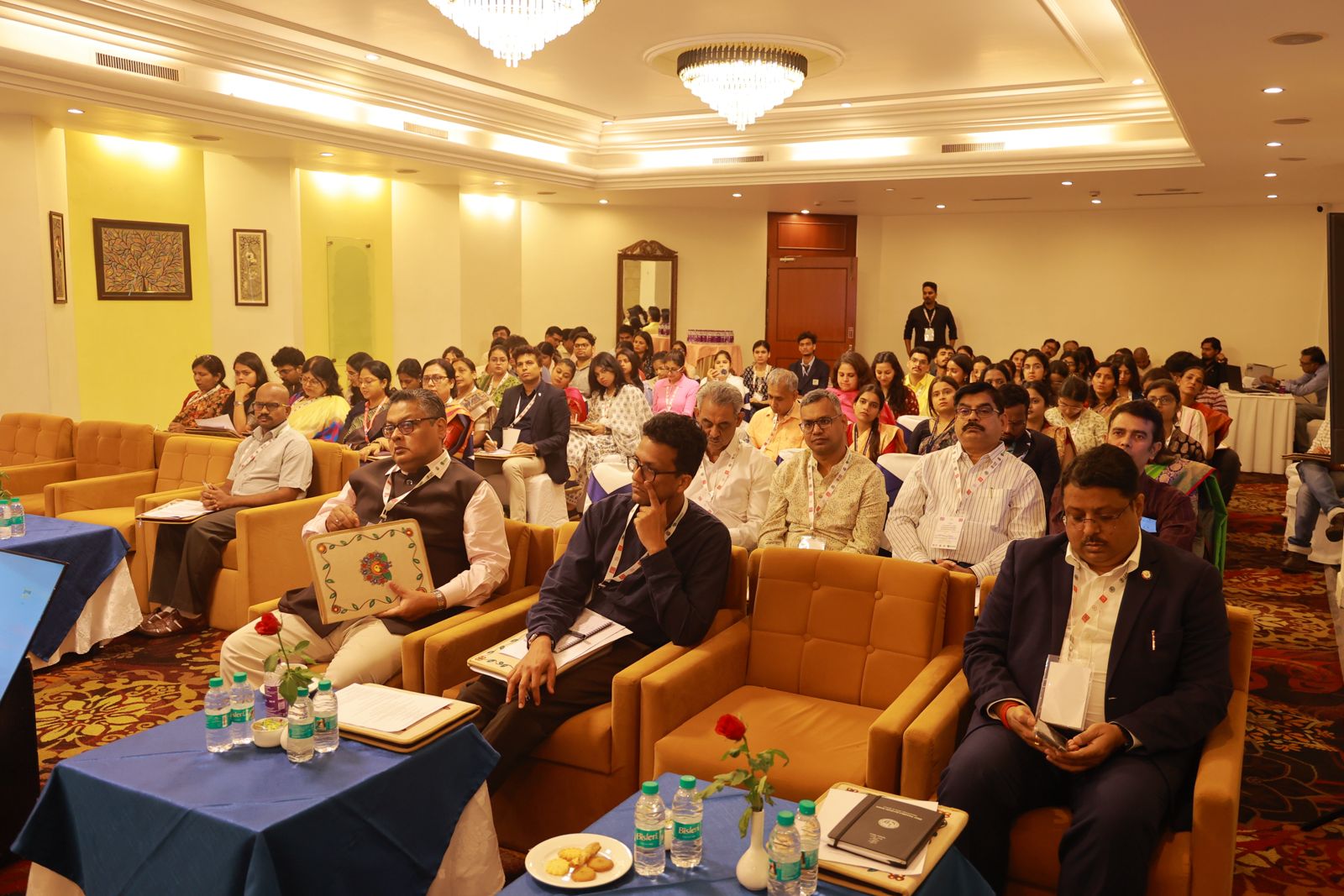
Students from schools and colleges across Patna attended the conference, reflecting growing interest among young people in environmental issues.