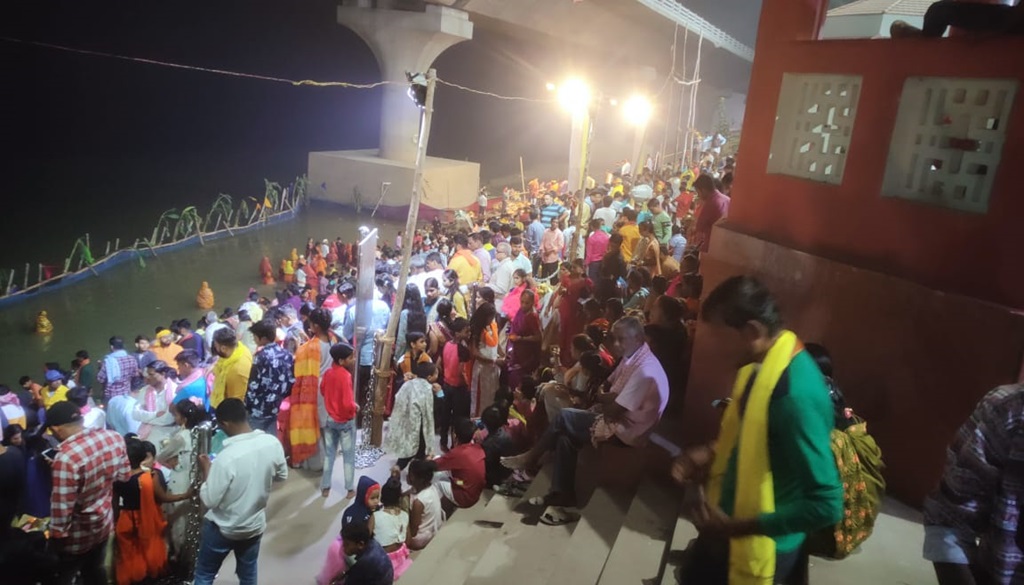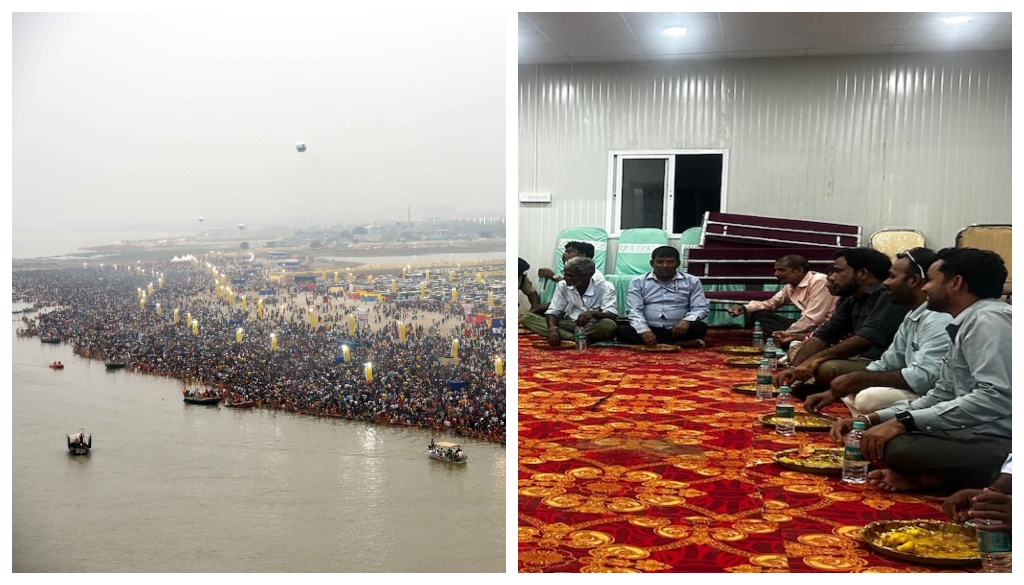
Patna: As the ghats of Patna gleam with lights and the city soaked in the grandeur of Chhath Puja, the festival of devotion and discipline, an unusual but heartwarming scene unfolded on Monday evening. Yashpal Meena, the Municipal Commissioner of Patna, shared a community dinner with the city’s sanitation workers, personally thanking them for their relentless service in keeping the capital clean during Bihar’s busiest festive season.

Gathered in an open compound under the soft glow of temporary lamps, workers and officials sat together — no formal speeches, no hierarchy, just shared food and laughter. For those who spend days clearing ghats, roads, and drains for the four-day festival, the simple gesture carried the weight of recognition.
“I wanted to meet them not as officials but as teammates,” Meena said, after serving a group of workers during the dinner. “Each one of them is an integral part of the Patna Municipal family. It’s because of their dedication that our city shines brighter every Chhath.”

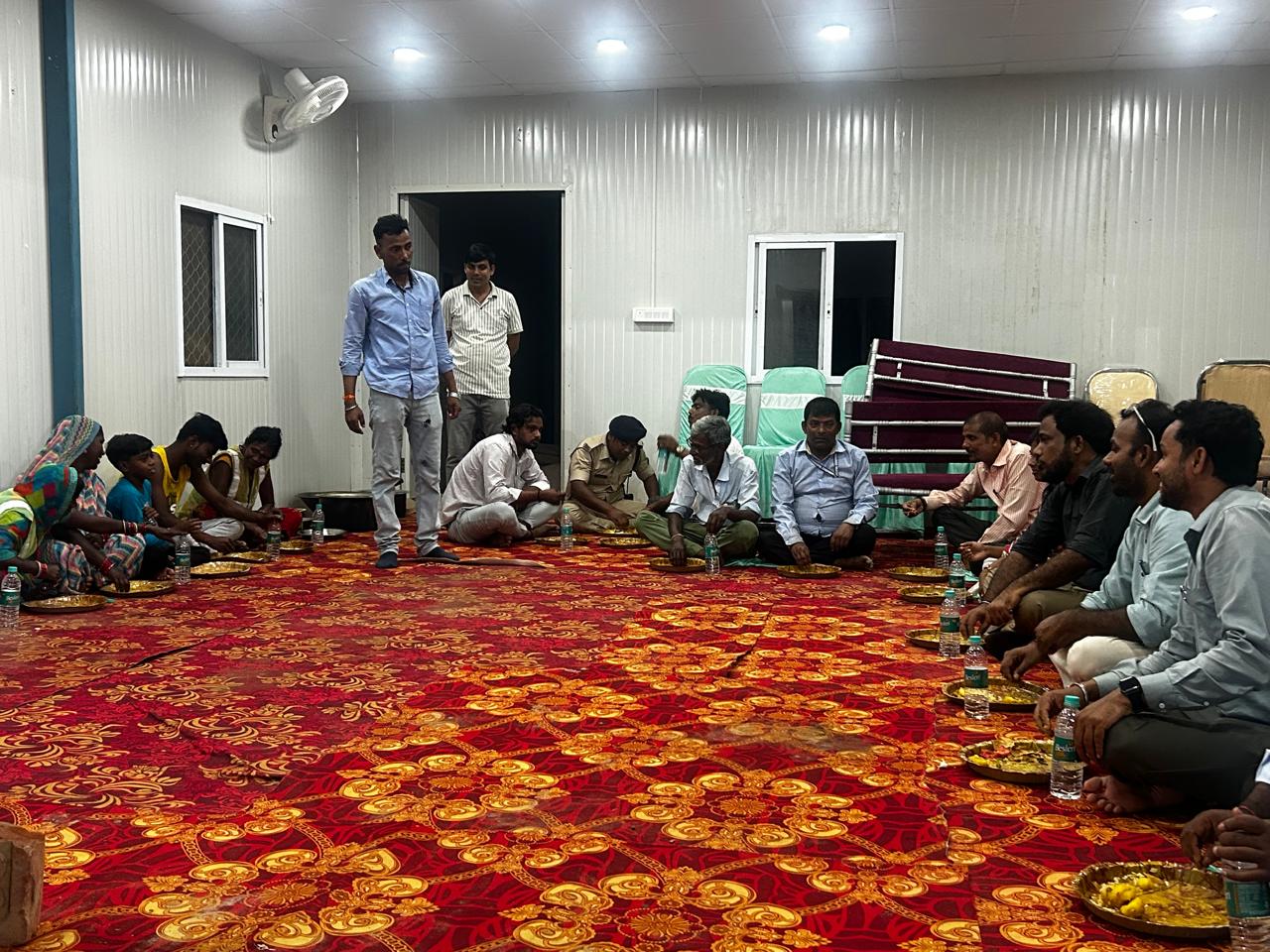
The dinner, attended by both senior officials and field workers, marked a pause in the frenetic pace of festival cleaning drives. Over plates of rice, dal, and sabzi, conversations turned to the challenges of managing city waste during large public gatherings — but also to moments of shared pride.
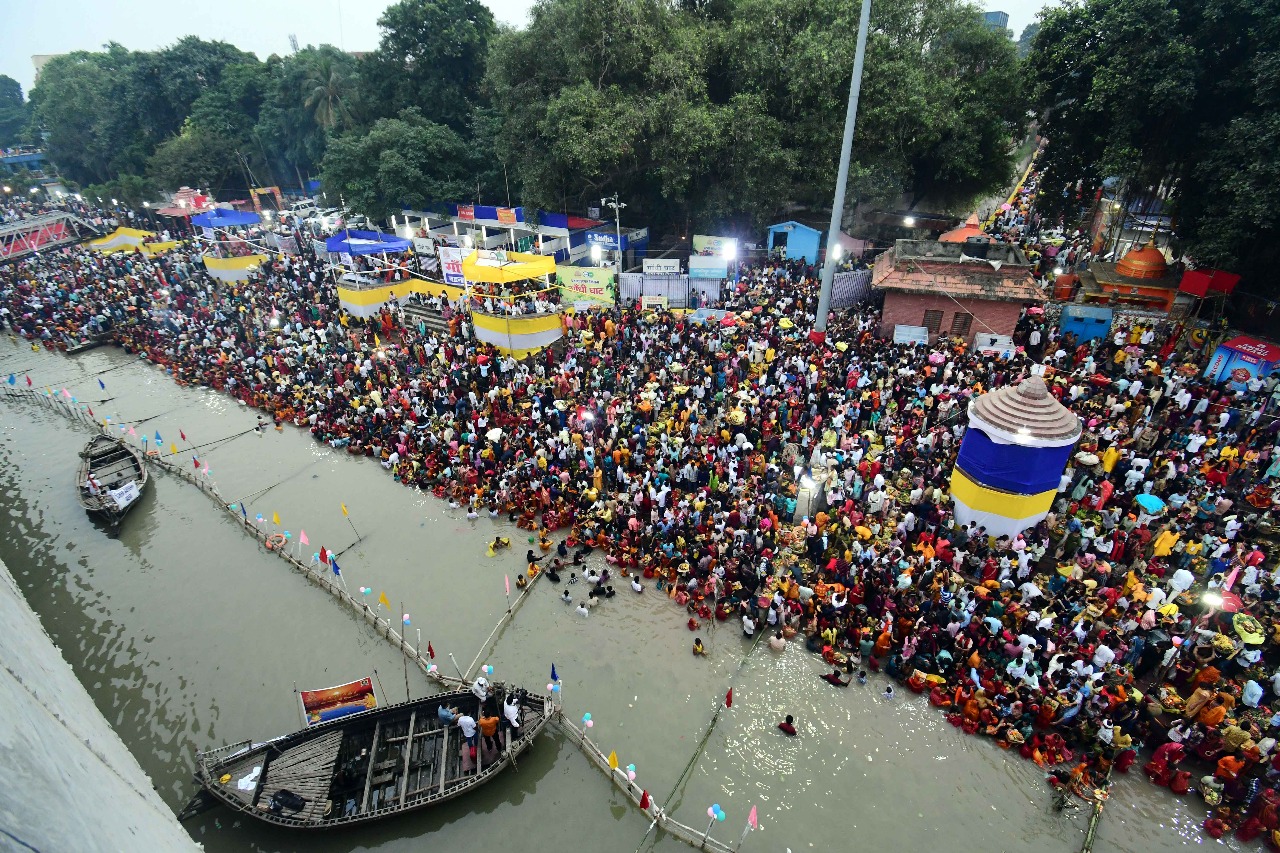
Chhath Puja places extraordinary demands on municipal workers. With more than 500 ghats along the Ganga and its tributaries in Patna prepared for devotees, the city’s sanitation staff have been working round the clock to ensure cleanliness and safety. Temporary toilets, lighting, waste bins, and drainage management have been set up at dozens of riverfronts and parks.
During the dinner, Meena encouraged the workers to continue their efforts with the same dedication and assured them that their welfare remains a priority. “Cleanliness is not just a civic responsibility but a matter of pride for Patna,” he said. “Your work is the reason why the festival can unfold smoothly for lakhs of people.”
The informal gathering also turned into an impromptu brainstorming session, with workers offering practical suggestions on waste segregation and equipment needs. Officials described the event as a symbolic expression of “team spirit and inclusion,” an attempt to break barriers between administrative ranks and the workers on the ground.
As the evening ended, one worker summed up the sentiment shared by many: “Tomorrow, we’ll return to the ghats at dawn — but tonight, it feels like we’re celebrating Chhath in our own way.”
In a city where the success of the festival depends as much on devotion as on cleanliness, Patna’s sanitation workers have long been its unsung heroes. And for one evening, at least, they were celebrated not for the work they do — but for the spirit they bring to it.