Patna: Patna Museum is preparing for a sweeping digital makeover that promises to change how visitors engage with history. The historic institution, long regarded as a repository of Bihar’s cultural legacy, is set to introduce artificial intelligence-based installations, interactive galleries and immersive exhibits aimed at transforming the museum into a modern, experiential space.

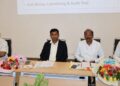
The push for modernisation gathered pace this week during a review meeting chaired by the museum’s director general, Anjani Kumar Singh. Officials outlined a series of upgrades focused on improving infrastructure and enhancing visitor engagement through technology. The changes, authorities say, will allow people to experience history rather than simply observe artefacts behind glass cases.
Among the most anticipated additions is an AI-powered hologram of Chanakya, the ancient scholar and strategist. Designed to simulate conversation, the hologram will offer visitors an interactive learning experience, particularly benefiting children, students and researchers. Once the proposal receives approval, installation work is expected to begin, making it one of the museum’s flagship attractions.

Several specialised galleries are also being developed to strengthen the museum’s identity. The Mahapandit Rahul Sankrityayan and Tibetan Art Gallery will be divided into three sections tracing Sankrityayan’s life journey, displaying rare manuscripts collected from Tibet, and showcasing a significant collection of Thangka paintings. A separate metal art gallery will exhibit royal, Nepali and western metal artefacts, while nearly 250 works of the traditional Patna Kalam style will be displayed to highlight the region’s artistic heritage.
The museum will further dedicate space to the life and legacy of India’s first president, Dr Rajendra Prasad, with a gallery featuring more than 7,000 photographs and artefacts. Another section will chart the evolution of coins from 1764 to 2000, offering a glimpse into the economic and political transitions of the region through currency.
Beyond exhibitions, the museum is also focusing on education and outreach. A two-day workshop on the Patna Kalam art form will be held on 30 and 31 January, bringing together 140 students from schools and colleges across the city. Led by artist Smita Parashar, who has worked in the style for more than two decades, the programme will provide hands-on training and conclude with awards for participants.
With these initiatives, officials hope Patna Museum will emerge not only as a storehouse of the past but as a dynamic cultural destination where history, art and technology converge for a new generation of visitors.