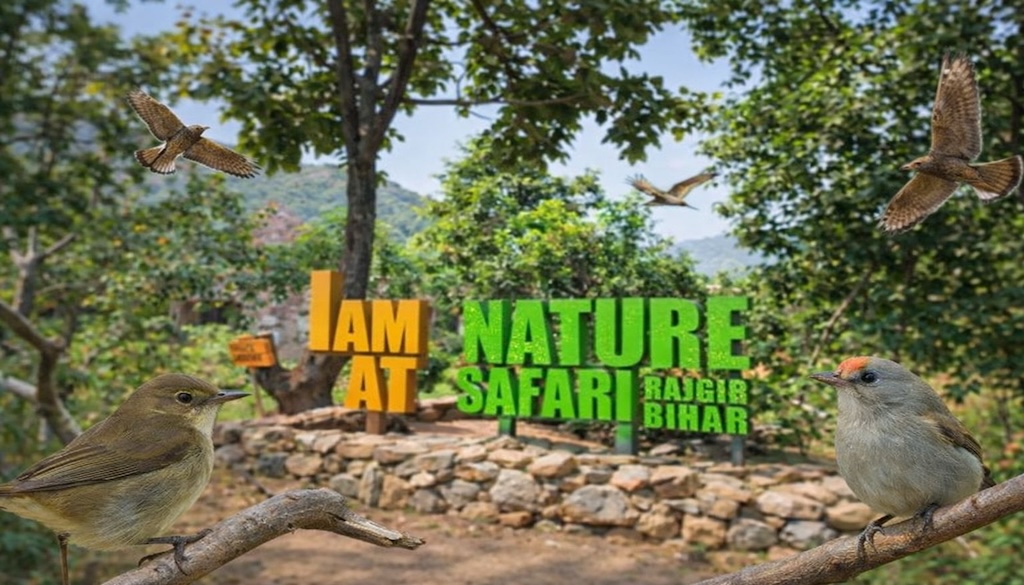
Rajgir/Patna: The hills and forests of Rajgir, long known for their spiritual and historical resonance, are fast acquiring a new identity as a magnet for migratory birds travelling thousands of kilometres from Europe, Russia, Central Asia and Siberia.

A recent bird survey conducted by the Bihar Forest Department across the Rajgir Zoo Safari, the Nature Safari and adjoining wildlife sanctuary areas has recorded the highest avian diversity ever documented in the region, officials said. The findings suggest that Rajgir is no longer just a tourist and pilgrimage destination but an emerging ecological hub connected to international migratory routes.
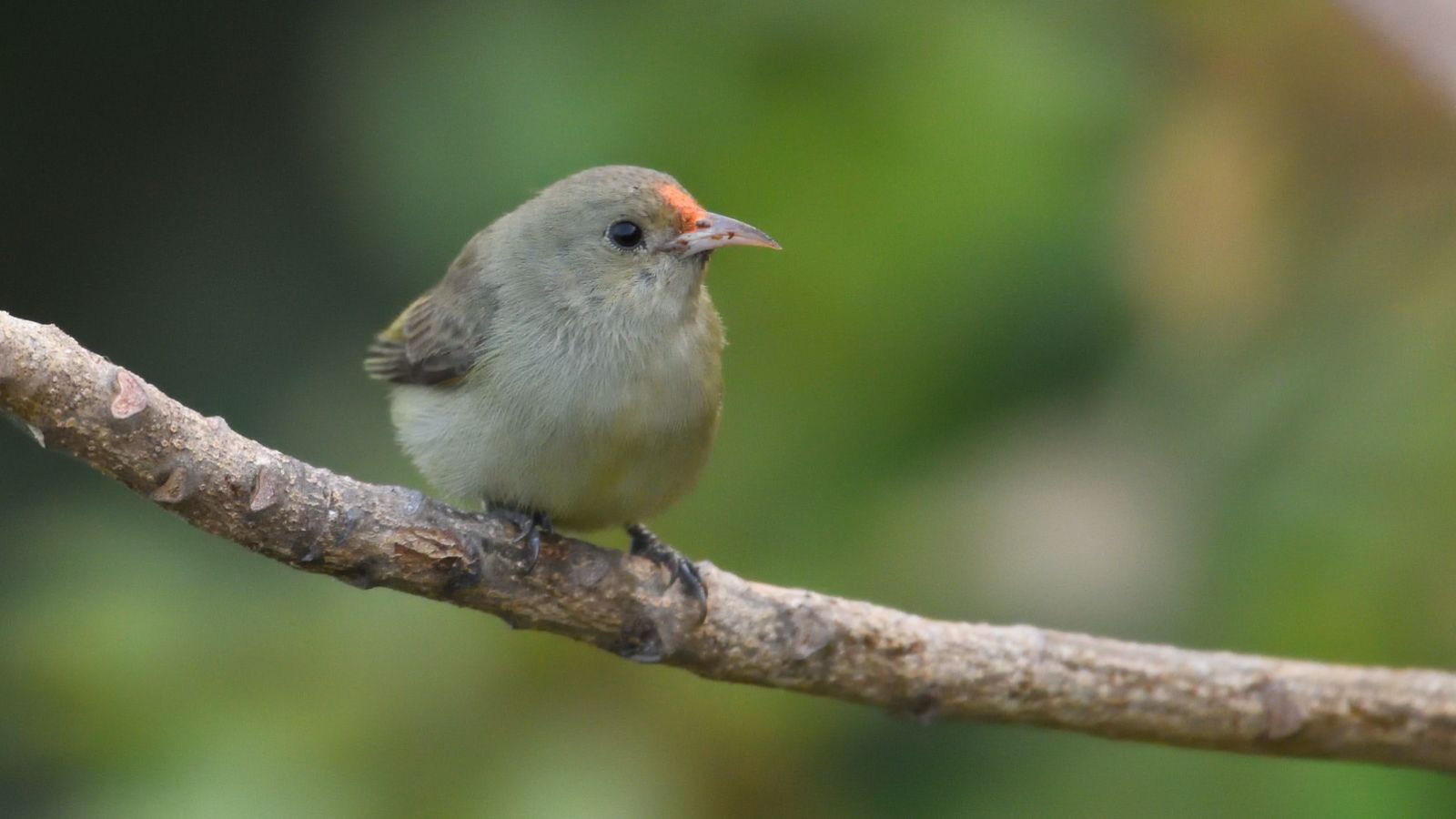
The survey was carried out in two phases. In February 2025, researchers identified 109 bird species, including 29 migratory birds. Among them were several rare warblers from Central Asia, such as the sulphur-bellied warbler, yellow-browed warbler and Tickell’s leaf warbler. The sighting of endangered vultures, including the Indian vulture and the griffon vulture, pointed to improving habitat conditions in the Rajgir hills.

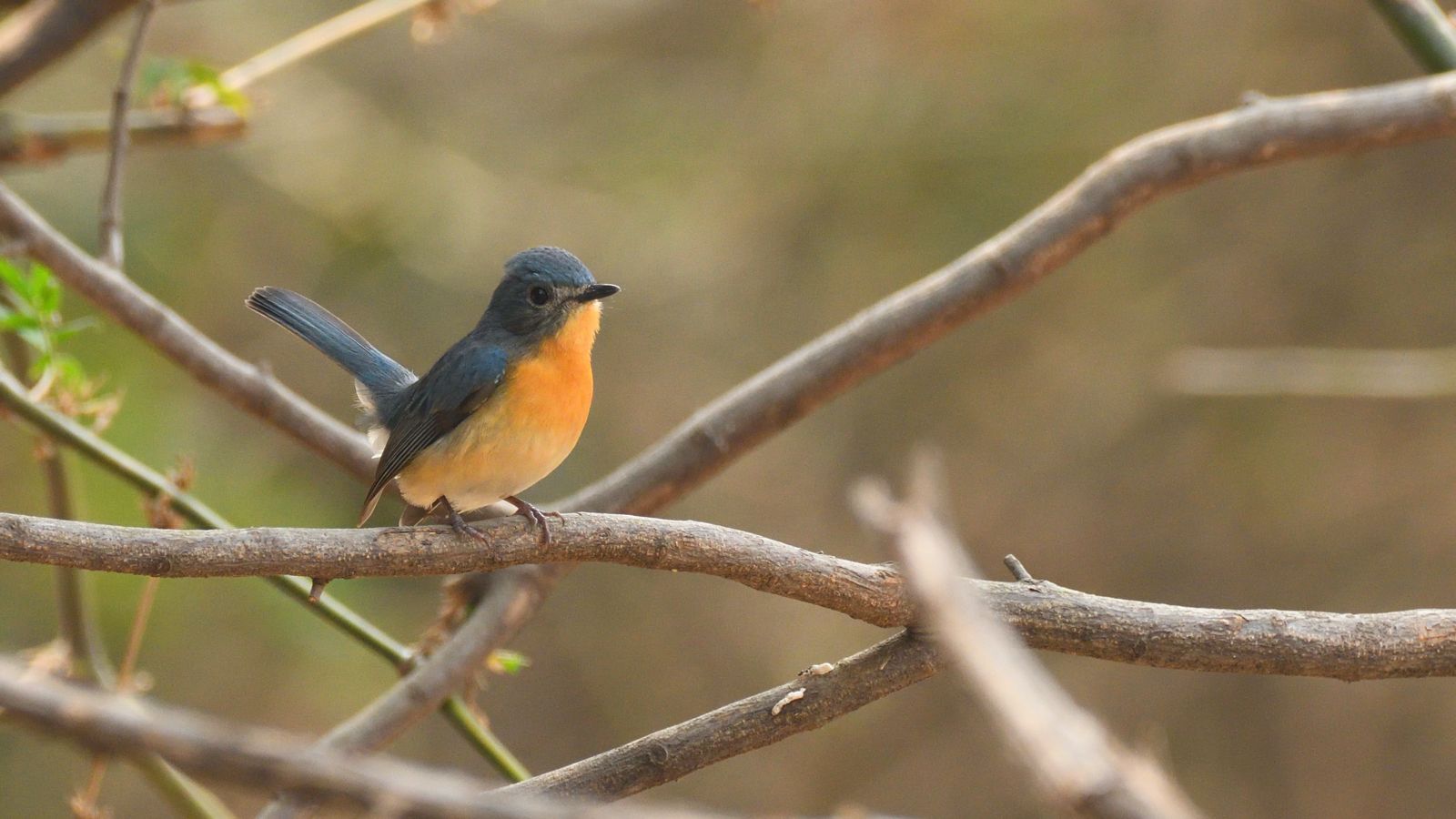
A second phase in December 2025 revealed even greater diversity: 135 species in total, including 33 migratory birds. The most notable discovery was the Eurasian sparrowhawk, recorded for the first time in Nalanda district. Ornithologists say the sighting provides strong evidence that Rajgir has become part of a wider flyway stretching from Europe and Central Asia to the Indian subcontinent.
The survey also documented a healthy population of raptors, including Himalayan buzzards, Bonelli’s eagles, black-winged kites and Eurasian kestrels, a sign, experts say, of a balanced food chain. Winter visitors such as thrushes, pittas, cuckoos and Siberian stonechats were also recorded in significant numbers.
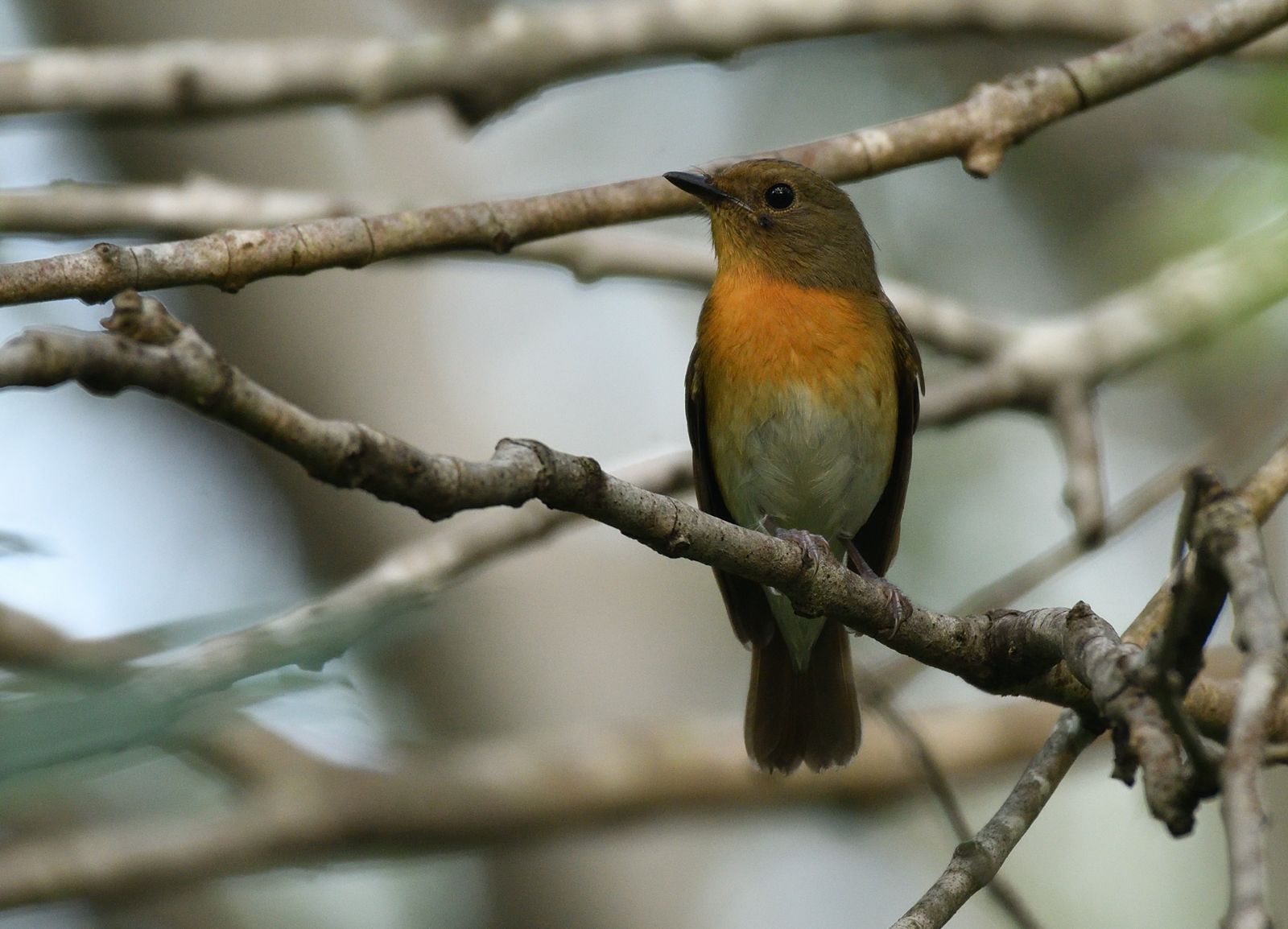
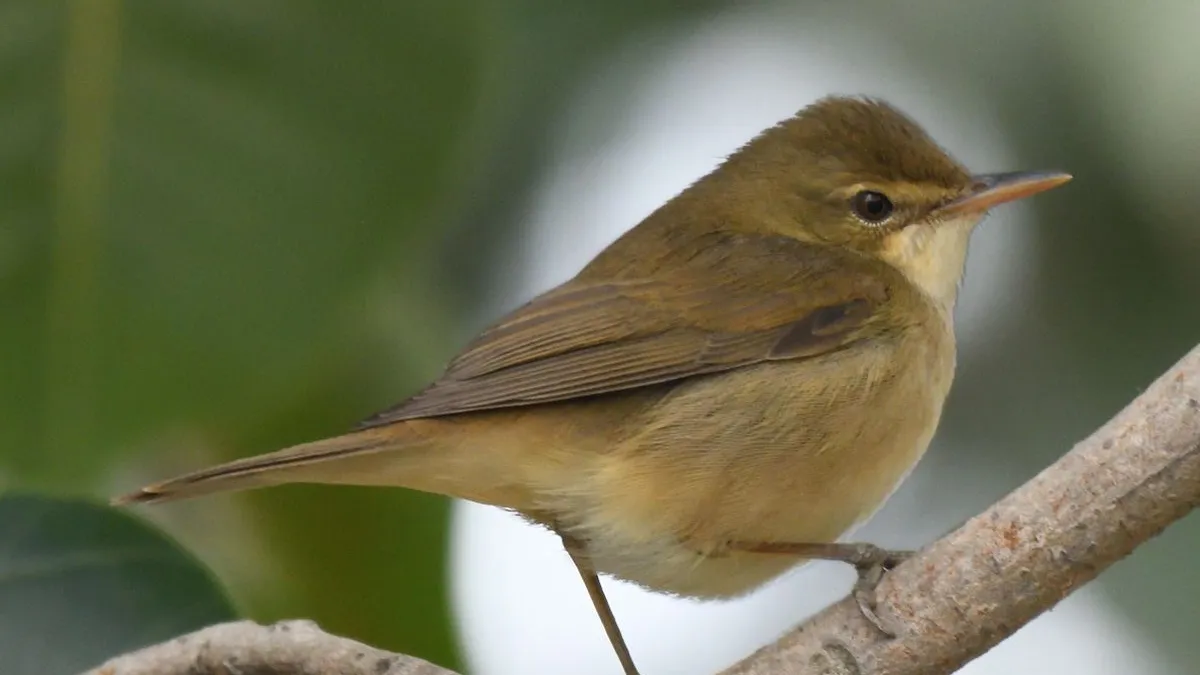
Particularly striking was the diversity of warblers: 11 species were found across paddy fields, wetlands, reedbeds and forest edges. Specialists note that such variety indicates abundant insect life, low chemical pollution and the preservation of mixed habitats. The presence of species like the pin-tailed snipe, which breeds in northern Russia and Siberia, further underlined the global reach of Rajgir’s avian visitors.
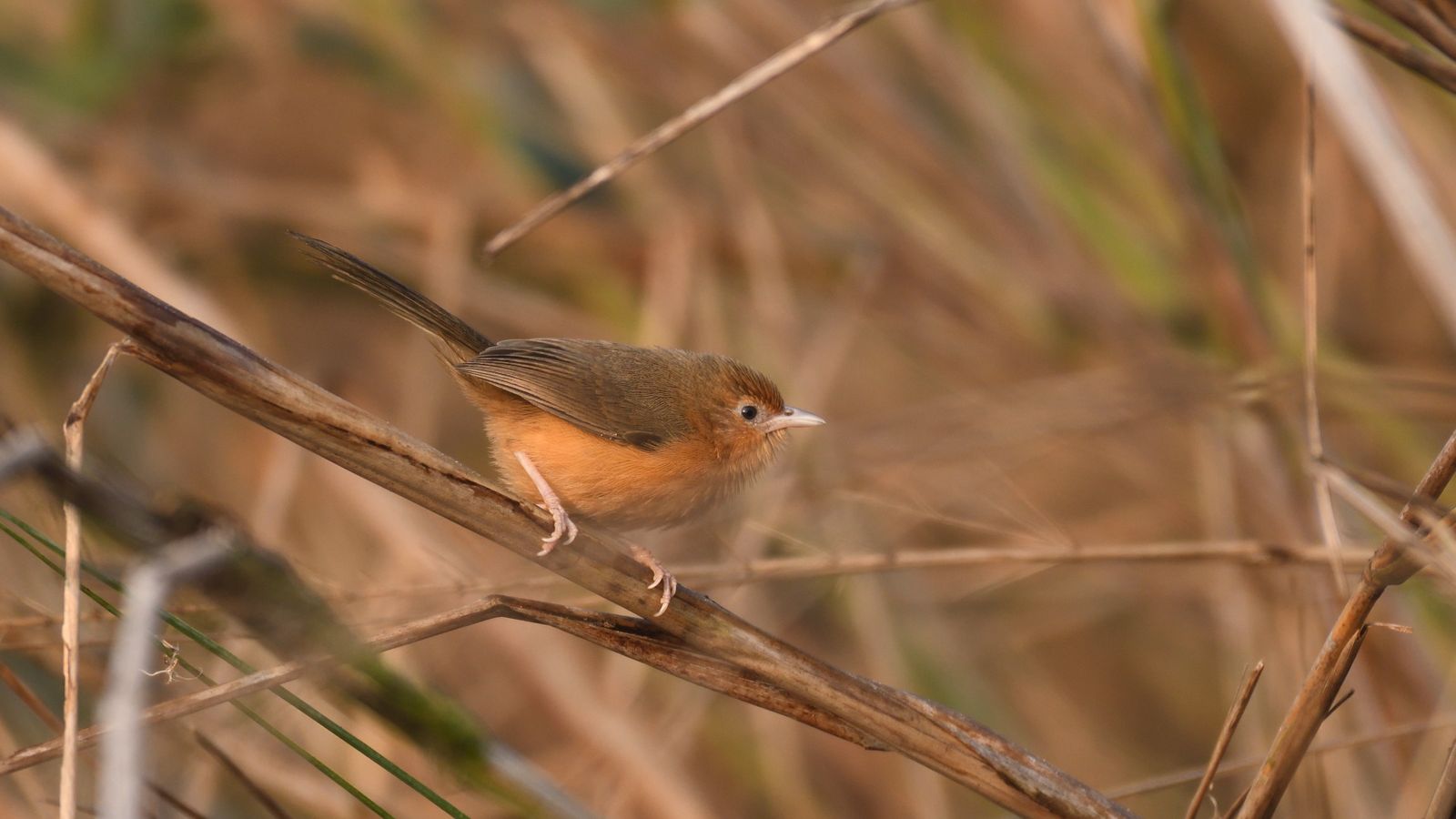
According to Ram Sundar M, director of Rajgir Zoo Safari, the findings establish the area’s international ecological importance. He said safari guides are being trained to identify migratory birds and interpret their behaviour for visitors. Ongoing soil and moisture conservation efforts, along with the rejuvenation of water bodies, have improved local water levels, providing food, shelter and resting sites for birds on long migratory journeys.
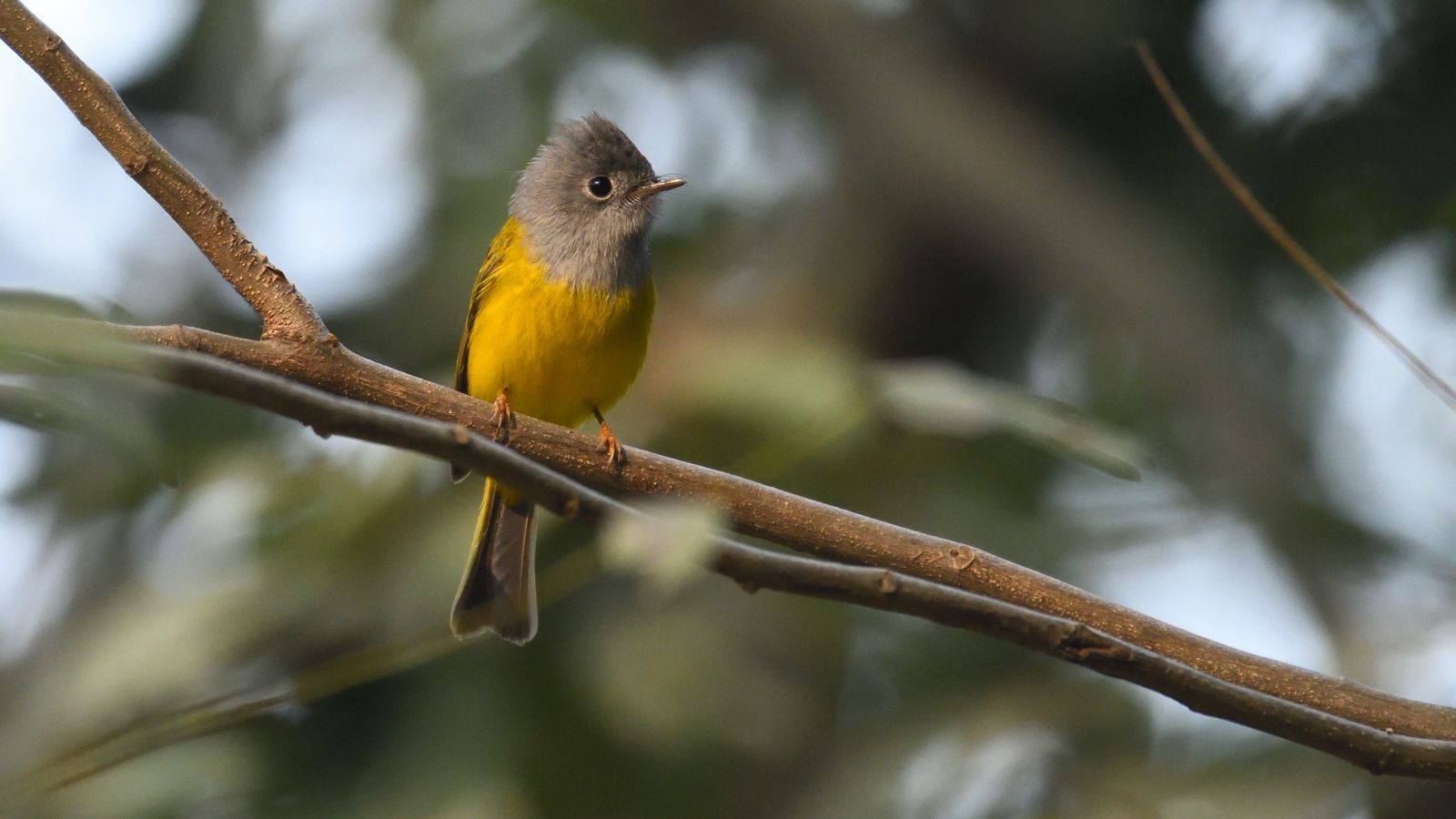
For conservationists, the results offer both validation and a warning: Rajgir’s growing importance on global flyways brings new responsibility to protect habitats that are now clearly of international significance.