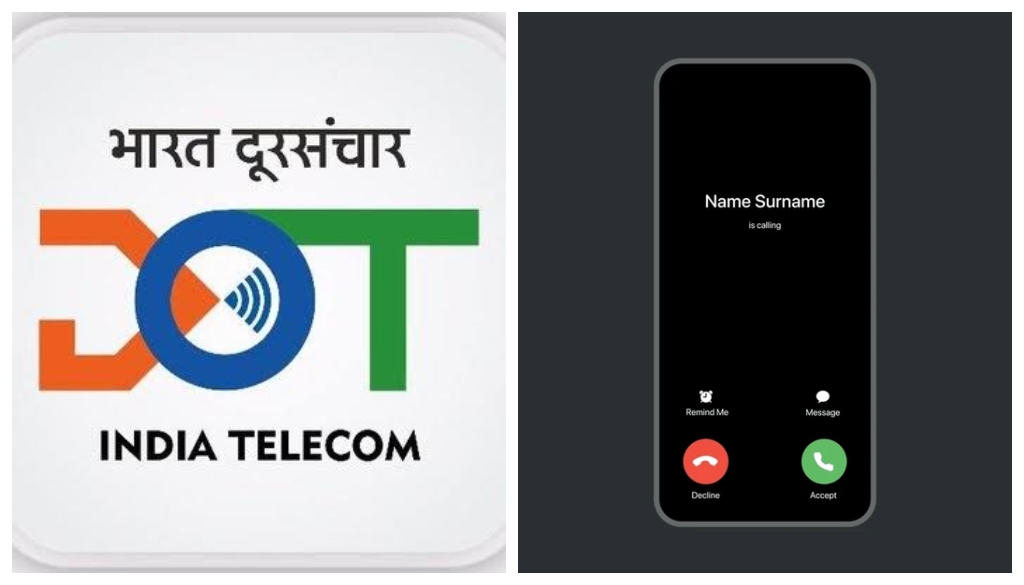
New Delhi: In a major step to tackle the growing menace of fraudulent calls and cybercrimes, the Telecom Regulatory Authority of India (TRAI) and the Department of Telecommunications (DoT) have approved a new system that will display the caller’s name on mobile screens by default, without requiring any third-party app.

The feature, called Calling Name Presentation (CNAP), will automatically show the name associated with the caller’s verified ID proof used during SIM registration. The move, regulators said, aims to ensure transparency and protect consumers from scams such as digital arrests, phishing, and financial frauds.
“Consumers deserve to know who is calling them. This system will strengthen digital trust and reduce cybercrimes,” said an official from TRAI.

Telecom operators had conducted successful trials of the service in the Mumbai and Haryana circles last year, paving the way for a nationwide rollout.
What TRAI and DoT Have Decided
The decision follows months of coordination between the two regulatory bodies.
- Earlier Proposal: In its February 2024 recommendation, TRAI had suggested activating CNAP only for users who explicitly requested it.
- DoT’s Stand: The DoT later advised that CNAP should be a default feature, allowing users to opt out if they choose.
- Final Agreement: TRAI has now accepted DoT’s recommendation, making caller name display automatic for all users unless they deactivate it manually.
Who Is Exempted from CNAP
Certain categories of users will not have their names displayed under the new system:
- Subscribers who have Calling Line Identification Restriction (CLIR) enabled.
- Central intelligence officials and other security-sensitive personnel.
- Bulk connections, telemarketers, and call centres.
Telecom operators have also been instructed to verify the authenticity of users requesting CLIR and ensure that law enforcement agencies can access relevant information when necessary.
A New Layer of Digital Safety
The CNAP feature is expected to bring an additional layer of protection for Indian mobile users, who have faced a surge in spam and scam calls over the past few years.
Industry analysts note that the new system mirrors international practices in telecom security and will make it significantly harder for fraudsters to impersonate government officials or bank representatives.
The rollout of CNAP will begin in phases over the next few months, with telecom companies working to integrate the feature across networks nationwide.
“This initiative is a proactive strike against fraud,” said a DoT spokesperson. “It will empower users to make informed decisions before answering calls — a small change with a big impact.”