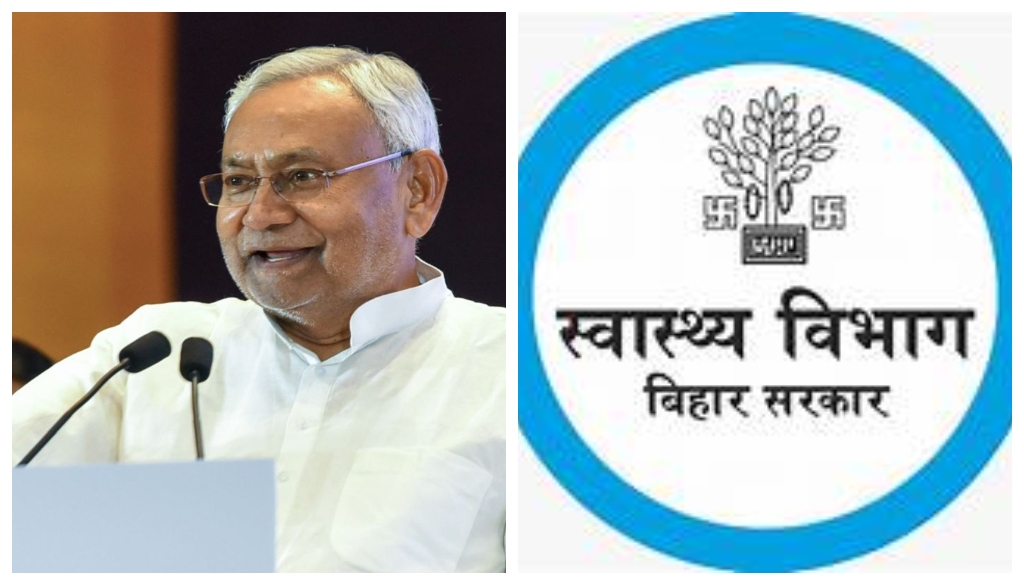
Patna: Bihar’s public health system has witnessed a historic transformation under Chief Minister Nitish Kumar, with patient footfall in primary health centres rising from a mere 39 per month in 2006 to over 11,600 today.

The turnaround reflects a two-decade-long focus on healthcare reforms. In 2004-05, Bihar’s total health budget was just Rs 705 crore. By 2025, it has increased nearly thirty-fold to Rs 20,035 crore. Officials say this financial commitment has revived public trust in government hospitals, which are now the first choice for treatments ranging from minor injuries to major surgeries and vaccinations.
Over the past twenty years, the state has expanded its network of primary health centres and hospitals while introducing free drug testing facilities, ensuring that medicines can now be tested within Bihar itself. The availability of doctors has improved, and government hospitals are adopting new technologies to strengthen services.

Bihar is also witnessing an unprecedented expansion in medical education infrastructure. Before 2005, there were only six government medical colleges. That number has risen to 11, and it will soon reach 15 after ongoing projects are completed. In addition, nine more medical colleges are proposed across nine districts.
The state currently hosts Asia’s second-largest hospital and will soon become the second Indian state with two AIIMS institutions – one operational in Patna and another under construction in Darbhanga. The ongoing expansion of PMCH is expected to create a 5,500-bed hospital that will cater not only to Bihar but also to neighbouring states such as Jharkhand and Uttar Pradesh.
Officials say these developments prove that with focused policy and clear intent, a state once labelled ‘Bimaru’ can emerge as a provider of health services for the region.