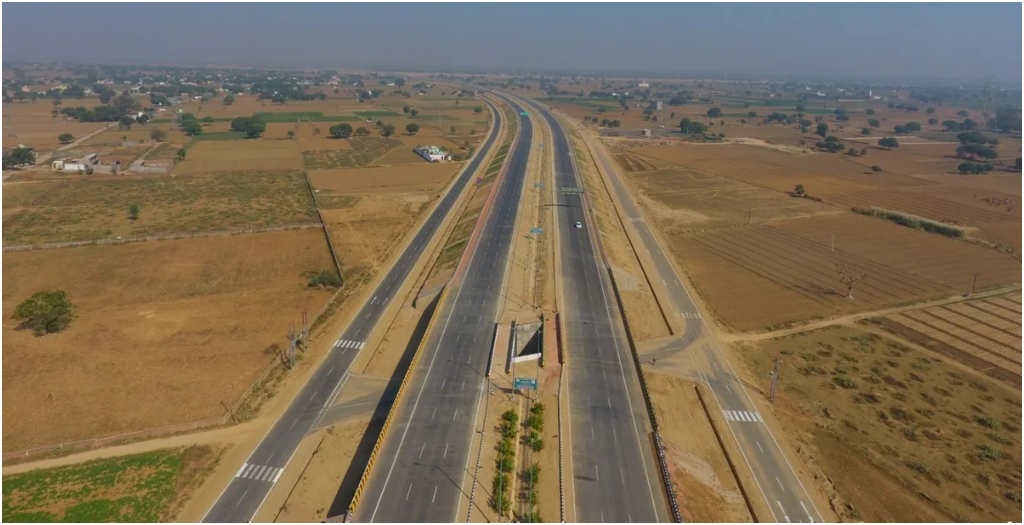
Patna: A new obstacle has emerged in the construction of the Varanasi–Ranchi–Kolkata Expressway in Bihar, adding to ongoing delays caused by forest clearance issues. The National Highways Authority of India (NHAI) now faces a legal barrier over the cutting of a so-called “dead mountain” near Sangrampur in Dumaria, Gayaji, which lies directly under the proposed road alignment.

NHAI has sought government permission to cut and remove the mountain to continue work on the route. However, the project has stalled due to an existing state ban on stone crushers — machinery required to break down the mountain. Without allowing crushers to operate, officials say the alignment cannot be cleared and the expressway cannot progress through the region.
According to documents submitted by NHAI, gravel generated from cutting the mountain would be used solely for the expressway project. The 610km corridor is currently divided into seven construction packages, with land acquisition reportedly completed for all segments. Yet the latest geological complication adds to delays already faced in other parts of the project.

One unresolved case in Kaimur concerns the original plan to construct a tunnel through a forest zone. The Forest Department refused to issue a no-objection certificate, raising concerns about the impact of blasting through the terrain. The government subsequently ordered a revision of the alignment, rerouting the expressway along the mountainside instead.
The new route is expected to create a winding stretch of road through the region, but land acquisition and tender allocation remain pending. Work has not yet begun on the realigned section.
The expressway, once completed, is expected to strengthen high-speed road connectivity between Uttar Pradesh, Jharkhand and West Bengal. For now, however, the stalled progress raises questions about government strategy for navigating the geological and regulatory challenges ahead.