Patna: Raj Thackeray has reignited a debate over language and regional identity in Maharashtra with a series of inflammatory remarks aimed at migrants from Uttar Pradesh and Bihar, as campaigning intensifies ahead of the Brihanmumbai Municipal Corporation (BMC) elections scheduled for January 15, 2026.

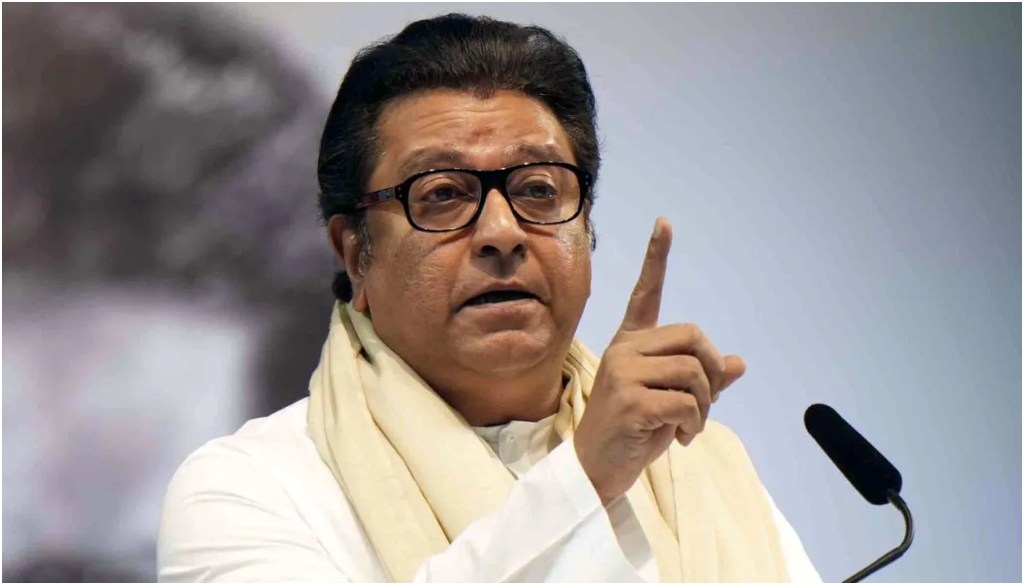
Addressing a joint rally with his cousin, Uddhav Thackeray, the Maharashtra Navnirman Sena leader said attempts to impose Hindi on the state would not be accepted. He claimed he did not oppose any language but warned that if Hindi was “forced” on Maharashtra, those responsible would be driven out — comments that quickly drew criticism across party lines.
Thackeray described the forthcoming civic polls as a decisive moment for Marathi identity, urging Marathi-speaking voters to unite. He alleged that people from outside the state were exploiting Maharashtra’s resources and undermining the rights of locals, and instructed party workers to be vigilant on polling day to identify what he described as “fake voters”.

“If land and language are lost, people will be finished,” he said, portraying the election as the “last battle” for the survival of Marathi culture.
Standing alongside him, Uddhav Thackeray said the reunion of the two estranged cousins was driven by what he called a threat to the future of Mumbai and Maharashtra. He accused the Bharatiya Janata Party of harming the state’s interests through divisive politics, alleging that it repeatedly resorted to communal polarisation before elections. He also criticised remarks by a Tamil Nadu BJP leader suggesting that Mumbai was not part of Maharashtra, questioning whether the party intended to revive the city’s former name, Bombay.
The remarks prompted reactions beyond Maharashtra. In Bihar, Tej Pratap Yadav urged restraint, saying language should not be used as a tool for threats or intimidation.
With the high-stakes civic election drawing closer, language, migration and regional pride have once again moved to the centre of Maharashtra’s political discourse, deepening faultlines and drawing national attention to the campaign.