Patna: The state transport commissioner, Arif Ahsan, has instructed district transport officers to clear all pending driving licence and vehicle registration cases by January 31, warning of strict action against delays and non-compliance.

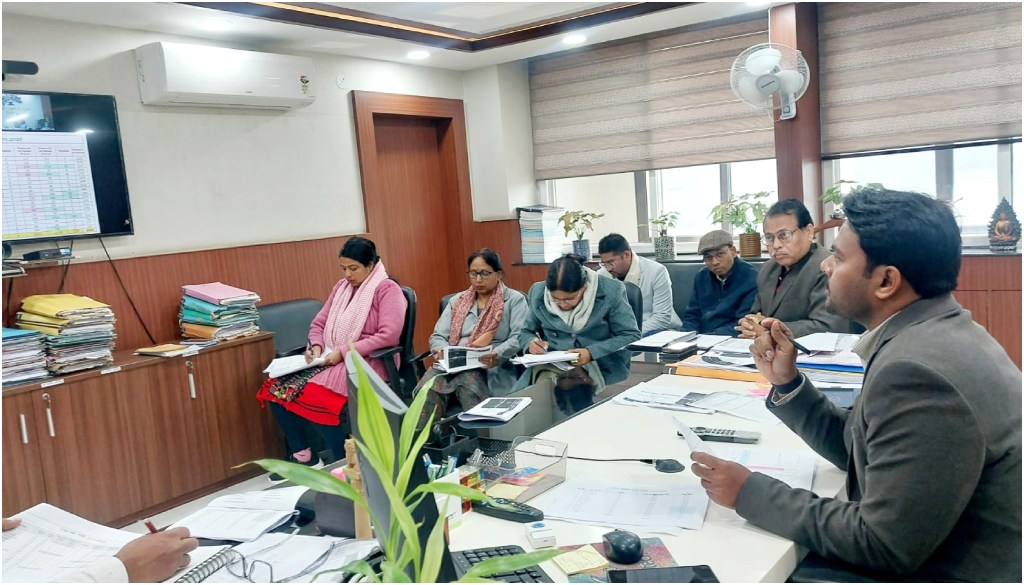
Addressing officials from all districts via video conference on Tuesday, Ahsan reviewed the performance of key transport department services, including driving licences (DLs), vehicle registration certificates (RCs), permits, hit-and-run and non-hit-and-run compensation claims, motor driving training schools and bus stop facilities.
Ahsan said the department’s services directly affect the public and that timely delivery was both a responsibility and a duty. He directed districts to set clear targets to reduce pending DL and RC cases to zero by the end of the month, with priority given to files pending for more than six months and a year.

Officials also reported that a number of vehicle registration cases were stuck at the dealer or agency level. The commissioner ordered district authorities to hold immediate meetings with the concerned agencies to resolve the backlog, warning that failure to comply within the stipulated timeframe could result in the cancellation of dealer or showroom login IDs. He added that unregistered vehicles must not be allowed to operate on roads.
On road safety enforcement, Ahsan called for daily helmet and seatbelt checks across all districts, alongside ongoing awareness campaigns. He reiterated the state government’s zero-tolerance policy on violations, saying strict legal action should be taken against offenders. Helmets and seatbelts, he said, were proven life-savers that significantly reduced serious injuries and fatalities in road accidents.
The commissioner also directed officials to improve safety infrastructure by installing mirrors and signage at sharp turns, blind spots and curves. Highlighting accident-prone locations, particularly T-junctions and curves on major highways, he asked districts to expedite the installation of mirrors, warning signs and reflective tape at intersections and on dividers, while ensuring blind spots were identified and addressed without delay.