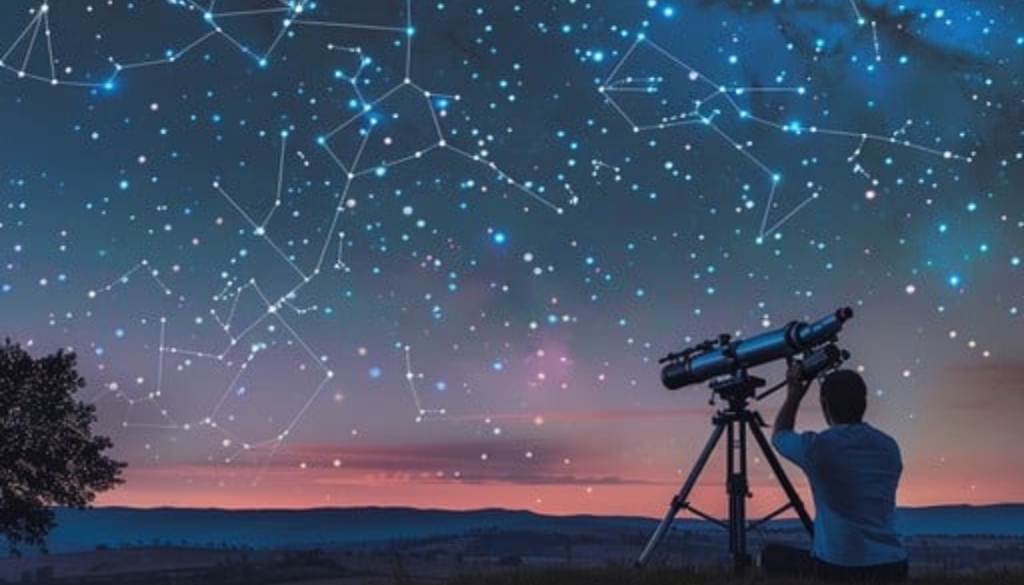
Patna: Visitors to the Patna Planetarium will soon be able to observe the moon, planets and other celestial phenomena more closely, with authorities preparing to install a giant hi-tech telescope at the facility. The project, estimated to cost around Rs 1 crore, is expected to significantly enhance public engagement with astronomy in Bihar.

According to officials, the telescope will be equipped with high-capacity lenses and a modern tracking system, allowing viewers to observe the Sun, m6oon, Mars, Jupiter and Saturn, along with several of their satellites. The instrument will be fixed in position and installed on the roof of the planetarium to ensure stable and uninterrupted viewing.
Installation work is scheduled to be completed by April, with public access likely to begin in May. Separate time slots will be introduced for telescope viewing, and ticket prices are expected to be announced soon. Trained guides will be on hand to explain astronomical events, making the experience accessible to children, students, researchers and amateur stargazers alike.

Alongside the telescope, an astronomy park is being developed within the planetarium campus. The park will feature 11 interactive exhibits designed to explain concepts such as sundials, timekeeping and the movement of the Earth in a simple and engaging way. Officials say the park is intended to become a learning hub for students as well as a point of interest for the general public.
The planetarium’s sky theatre already hosts eight shows daily, six in Hindi and two in English, focusing on science, space and the environment. Popular screenings include We Are Stars, which traces the origins of the universe and life, Voyager, detailing Nasa’s deep-space mission, Life of Tree, highlighting environmental awareness, and Asteroid Mission, which explores potential cosmic threats.
Educational outreach is also being strengthened at the Shrikrishna Science Centre, where four interactive science shows are currently running. These include a digital planetarium experience, the Science on a Sphere climate visualisation, a science magic demonstration show, and a 3D animation programme. From February, a new 25-minute animated feature, Turtle Vision 2.0, is set to be introduced, aimed especially at younger audiences.