Patna: Patna has started a new project to deal with the growing problem of plastic waste in the city. The Patna Municipal Corporation (PMC) has decided to use non-recyclable plastic to make paver blocks. These blocks will be used in parks, footpaths, cycle tracks and small roads. A special factory is being set up in Ramchak Bairiya, where nearly 2,000 paver blocks will be made every day. This step is expected to protect the environment and also support sustainable construction.

Every day, Patna produces around 1,100 tonnes of waste. Out of this, about 22 tonnes is plastic. Over the years, more than 1.3 million tonnes of waste has collected at landfill sites. This has created serious problems like land pollution, bad smell, and health risks for people living nearby. Plastic takes hundreds of years to decompose, which makes the problem even worse. Because of this, PMC felt an urgent need to find a long-term solution.
Municipal Commissioner Yashpal Meena guided the Solid Waste Management Department to explore new ways to reuse plastic. After many tests in laboratories, the plastic paver blocks were found to be strong and safe to use. Once the trials were successful, the project was approved for full-scale production. The new plant is specially designed to use plastic that cannot be recycled in normal ways.

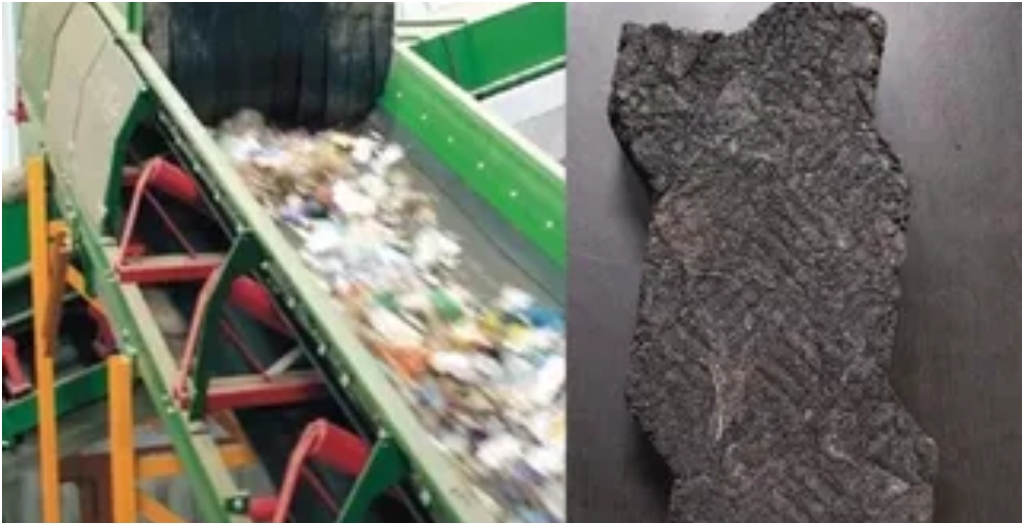
The process of making these blocks is simple. First, waste plastic is collected and cleaned. Then it is cut into small pieces. The plastic is melted and mixed with sand, stone dust, or ceramic waste. This hot mixture is poured into moulds and left to cool. After cooling, the blocks become hard and ready for use. These blocks use less cement, which reduces carbon emissions and makes them cheaper than traditional concrete blocks.
Plastic paver blocks are strong, lightweight and long-lasting. They can handle heat, cold and noise better than regular concrete blocks. However, they are not suitable for heavy traffic roads because their strength is slightly lower than concrete. For this reason, they will mainly be used in gardens, footpaths, school grounds, parks and low-traffic areas.
This project can change the way Patna manages its waste. Instead of seeing plastic as a problem, the city is now using it as a useful resource. If this model works well, other cities in India may follow Patna’s example. This small step can lead to cleaner cities, less pollution and a healthier future for everyone.