Patna: Bihar is set to significantly expand its inland water transport system, following the model of the Ganga waterway. Transport Minister Shrawon Kumar has instructed the Inland Waterways Authority of India (IWAI) to prepare detailed project reports for six additional national waterways. These projects will include the construction of jetties, terminals, navigation facilities, and other supporting infrastructure. Currently, 17 new community jetties are under construction across the state, complementing existing facilities.

The state now has a total of seven national waterways, including NW-1 (Ganga), NW-37 (Gandak), NW-58 (Kosi), NW-40 (Ghaghra), NW-54 (Karmanasha), NW-81 (Punpun), and NW-94 (Sone), spanning over 1,187 kilometres. Minister Kumar emphasised that river ghats will be developed based on their commercial and religious significance, with local authorities and representatives asked to submit proposals for the projects.
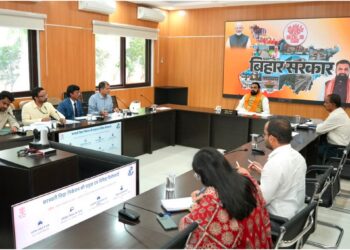
In a recent review meeting in Patna, attended by the State Transport Commissioner and senior IWAI officials, the minister highlighted delays in the issuance of No Objection Certificates (NOCs) by some districts, urging authorities to expedite approvals. Once operational, the new jetties and terminals are expected to enhance river-based transport, promote local commerce, improve mobility, and support tourism along Bihar’s waterways.

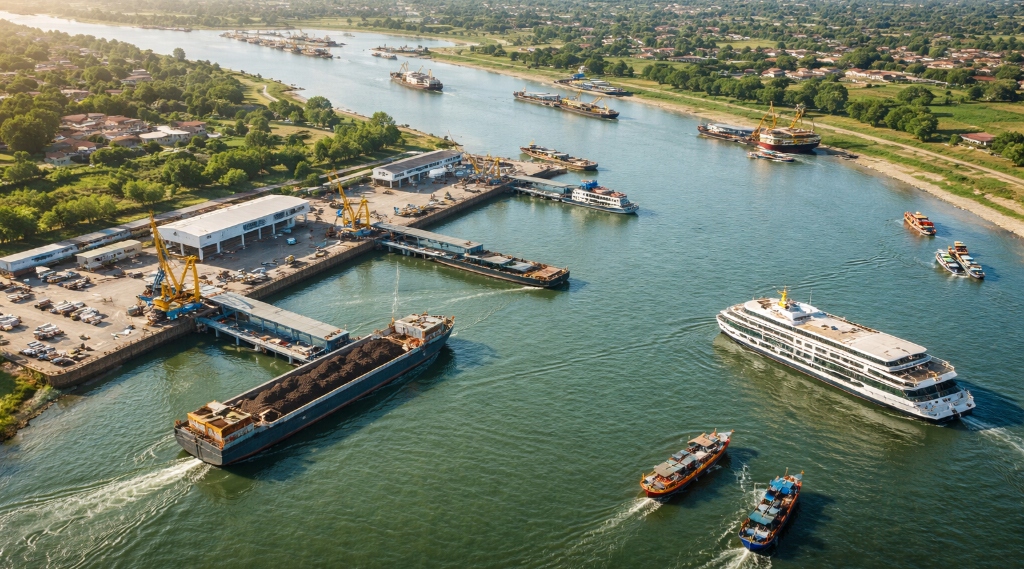
Several ghats, including Simaria, Ayodhya, Chittor, NIT, Konhara, Harihar Nath Temple (Sonpur), Kahalgaon, Khwaspur, Kangan, Patthar Ghat, Giaspur Peepapul, and Chakosan Peepapul, are currently under development. High- and low-level jetties, warehouses, and multimodal terminals have also been established at Gaya Ghat in Patna and Kalighat in Sonpur, enabling simultaneous docking of cargo vessels with seamless water-rail-road connectivity.
Cargo transport along the Ganga has surged in recent years. Between 2021 and 2022, over 8.3 million tonnes of goods were moved, and in the current financial year 2025-26, more than 1.22 million tonnes have already been transported, including essentials like food, oils, cement, sand, fertilizers, coal, rice, and animal feed. Cruise tourism along the river has also seen steady growth, reflecting the wider economic and cultural benefits of Bihar’s inland waterways initiative.