Patna: The future of Bihar’s prohibition policy has come under fresh scrutiny, with leaders from within the ruling alliance calling for a review of the controversial law and warning that it may be fuelling illegal trade while draining state revenues.

The debate has intensified in the wake of political changes following Nitish Kumar’s exit from the chief minister’s office. Lawmakers across parties are now publicly raising concerns about the effectiveness of the ban, with some demanding its repeal or substantial reform.
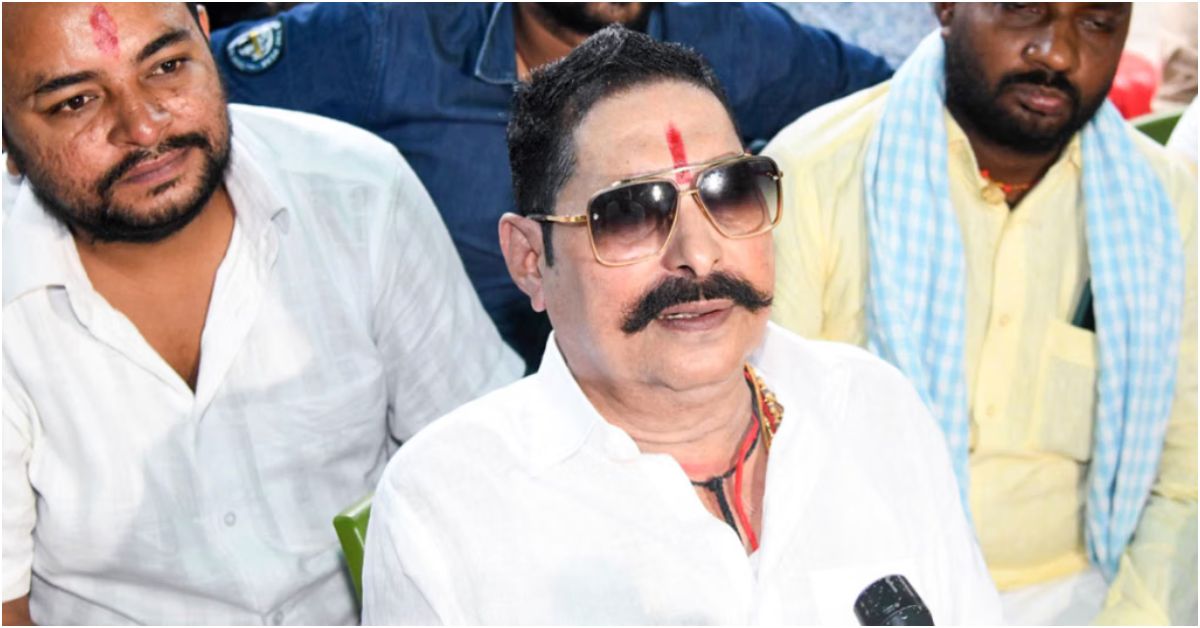
Janata Dal (United) MLA Anant Singh said the prohibition had failed to curb alcohol consumption, arguing that drinking continues across both urban and rural areas, albeit in secrecy. “The difference is only that people now consume alcohol behind closed doors,” he said.

Singh, who initially supported the policy when it was introduced, said conditions had deteriorated over time. With legal alcohol unavailable, he claimed, many people had turned to illicit and often toxic alternatives, posing serious risks to public health. He urged the government to consider resuming regulated liquor sales while maintaining strict penalties for disorderly behaviour under the influence.
Singh also indicated he would raise the issue with the current chief minister, Samrat Choudhary, as pressure mounts within the coalition for a policy rethink.
Similar concerns have been voiced by Madhav Anand, who argued that awareness campaigns against alcohol abuse would be more effective than prohibition. He said the ban had resulted in economic losses for the state while enabling illegal networks to thrive.
Anand noted that the law has been in force for nearly a decade, making a comprehensive review “essential”. Bihar, he added, requires sustained revenue for development, and the current policy is contributing to a significant shortfall.
Criticism has also come from Union minister Jitan Ram Manjhi, who has repeatedly questioned the law’s impact on poorer communities. Manjhi argued that while wealthier individuals continue to access alcohol, poorer residents are more likely to consume unsafe, illicit liquor, sometimes with fatal consequences.
He also pointed to the growing number of underprivileged people imprisoned under prohibition-related offences, suggesting that the law has disproportionately affected those at the margins.
Introduced with the aim of curbing alcohol consumption and improving social outcomes, Bihar’s prohibition policy has long been a defining feature of the state’s governance. However, with dissent now emerging from within the ruling alliance itself, the government faces increasing pressure to reassess its approach.
As the debate intensifies, the question of whether to retain, reform or repeal the law is shaping up to be a significant political test for the state’s new leadership.