
Patna: The Hindu festival of Akshaya Tritiya, widely regarded as an auspicious day for new beginnings, will be observed in 2026 amid uncertainty over whether it falls on April 19 or April 20.

Akshaya Tritiya, also known as Akha Teej, is traditionally associated with prosperity and considered by many Hindu communities as an “Abujh Muhurat” — a time believed to be inherently auspicious, when major activities such as weddings, housewarmings, business launches and property purchases are undertaken without consulting a separate almanac.
Date confusion in 2026

According to the Drik Panchang, the Tritiya tithi (third lunar day) begins at 1.01pm on April 19 (Sunday) and ends at 10.40am on April 20 (Monday).
Religious calendars are typically based on the lunar day prevailing at sunrise. On this basis, some traditional interpretations indicate that Akshaya Tritiya will be marked on April 20, when the tithi is present at sunrise. However, others continue to observe it on April 19, contributing to the overlap in practice across regions and communities.
Suggested timing for gold and purchases
For those marking the occasion with purchases, especially gold, the commonly cited auspicious window runs from 10.49am on April 19 until 5.51am on April 20.
Within this period, astrologically defined “Choghadiya” time slots are considered favourable by some practitioners. These include morning phases described as Char, Labh and Amrit, an afternoon Shubh period, and evening windows again associated with auspicious timing.
Ritual practices and alternatives to gold buying
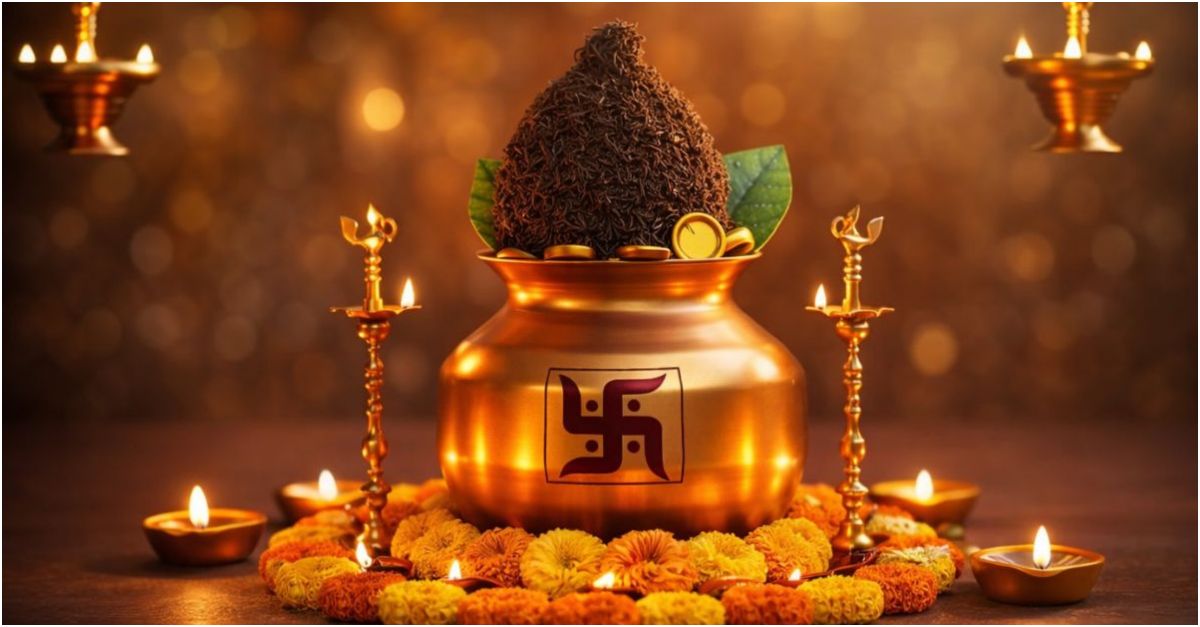
Alongside gold and silver purchases, many households also buy symbolic items such as grains, copper vessels, cloth, earthen lamps, and household goods. These practices are linked to broader traditions of charity and ritual giving associated with the day.
Akshaya Tritiya is also associated with acts of donation, religious rituals, and remembrance of ancestors. Believers hold that charitable acts performed on this day yield enduring merit.
Religious significance
The term Akshaya translates as “that which never diminishes”, and the festival is linked in Hindu belief systems to the idea of never-decreasing prosperity gained through good deeds, charity and worship.
Mythologically, the day is also associated with the beginning of the Satya Yuga, or the first age in Hindu cosmology. It is commonly linked with the worship of deities including Vishnu and Lakshmi, who are associated with preservation and wealth.
While widely celebrated across India, interpretations of its timing and rituals vary, reflecting differences in regional calendars and traditions.