Patna: The Bihar Cabinet on Wednesday approved draft rules empowering Gram Panchayats to levy and collect their own taxes and user charges, a move the state government says is intended to strengthen the financial independence of rural local bodies.

The decision was among 30 proposals cleared at a Cabinet meeting chaired by Chief Minister Samrat Choudhary. The approvals were announced by Additional Chief Secretary (Cabinet Secretariat) Arvind Kumar Chaudhary during a post-Cabinet briefing.
Panchayats To Raise Their Own Revenue

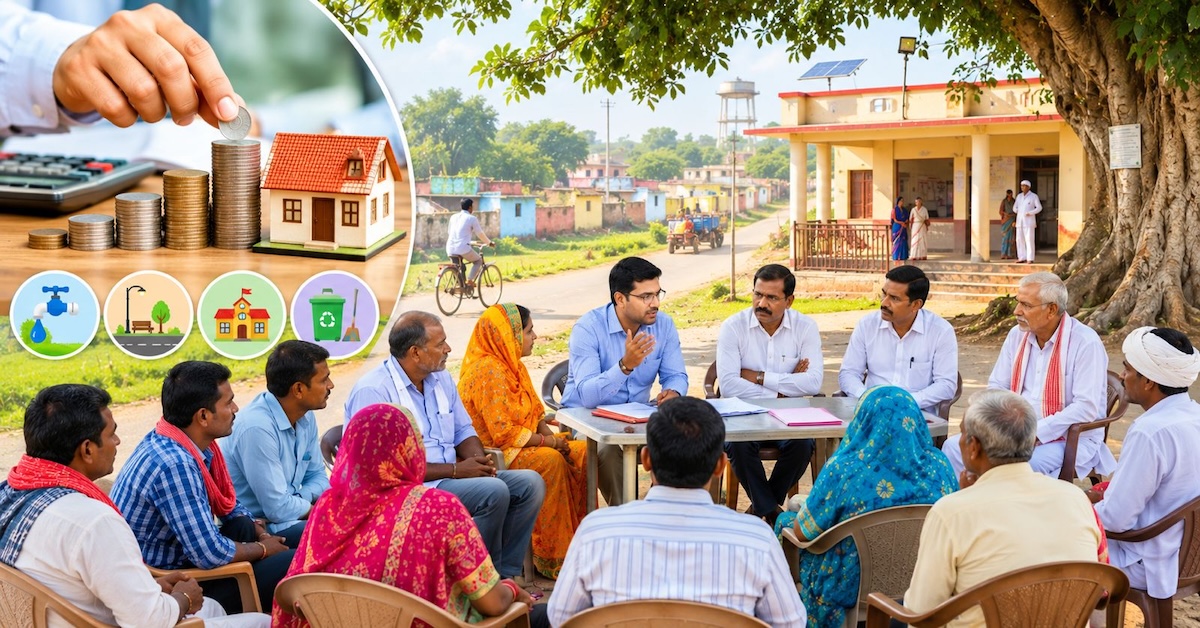
The Cabinet approved the draft Gram Panchayat Taxes, Rates and Fees Rules, 2026, creating a legal framework for Panchayats to generate their own revenue.
According to the government, although the Bihar Panchayat Raj Act, 2006 provides for the levy of taxes and fees, detailed rules governing their implementation had not previously been notified. The new rules identify the taxes and charges that Panchayats may impose, prescribe their maximum limits, and lay down procedures for assessment, collection and rate determination.
Officials said the measure is expected to significantly increase the Own Source Revenue (OSR) of Gram Panchayats, reducing their dependence on grants from the state government.
What Taxes Can Gram Panchayats Collect?
Under the proposed rules, Gram Panchayats will be authorised to levy:
- Holding tax on properties within the Panchayat area.
- Fees on professions and trades.
- Charges on advertisements and hoardings.
- Fees on industries operating within the Panchayat jurisdiction.
- User charges for services provided by the Panchayat.
The government said the additional revenue would enable Panchayats to strengthen local development and improve public service delivery.
Cabinet Also Approves Panchayat Delimitation
In a separate decision, the Cabinet approved a proposal from the Panchayati Raj Department for the constitution and delimitation of Gram Panchayat, Panchayat Samiti and Zila Parishad constituencies.
The exercise will be carried out under the provisions of the Bihar Panchayat Raj Act, 2006 (as amended) using 2011 Census population data.
You may like to read this article as well:
Government Cites Better Representation
According to the Cabinet Secretariat, the delimitation exercise aims to strengthen local self-governance by ensuring balanced representation based on population while improving the implementation of development programmes.
Officials said the reorganisation is also expected to improve administrative efficiency, provide more equitable representation and facilitate easier access to public services across rural Bihar.
The government said the changes would help promote balanced regional development while strengthening the functioning of Panchayati Raj institutions across the state.