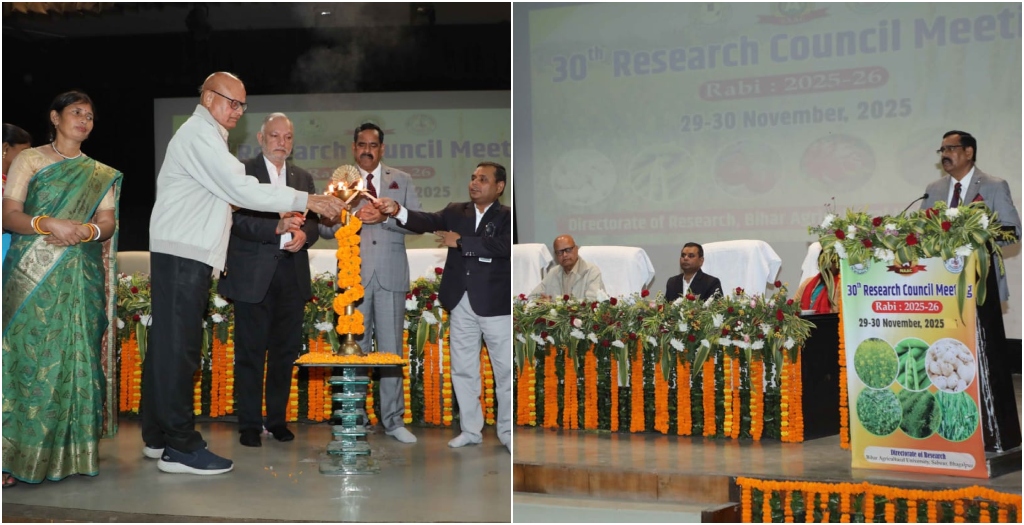
Bhagalpur: Bihar Agricultural University (BAU), Sabour, held its 30th Research Council Meeting for Rabi 2025-26 on Friday, welcoming scientists, experts, and farmers from across the state. The event was chaired by Vice Chancellor Dr. D.R. Singh and attended by eminent scientists, including Dr. Ram Bhajan Singh from GBPUAT, Pantnagar, and Dr. Y.S. Shivay from ICAR-IARI, New Delhi. Progressive women farmers representing three agro-climatic zones—Seema Sinha from Katihar, Rinku Devi from Banka, and Annu Kumari from Patna—shared their experiences, highlighting the important role of women in Bihar’s agriculture.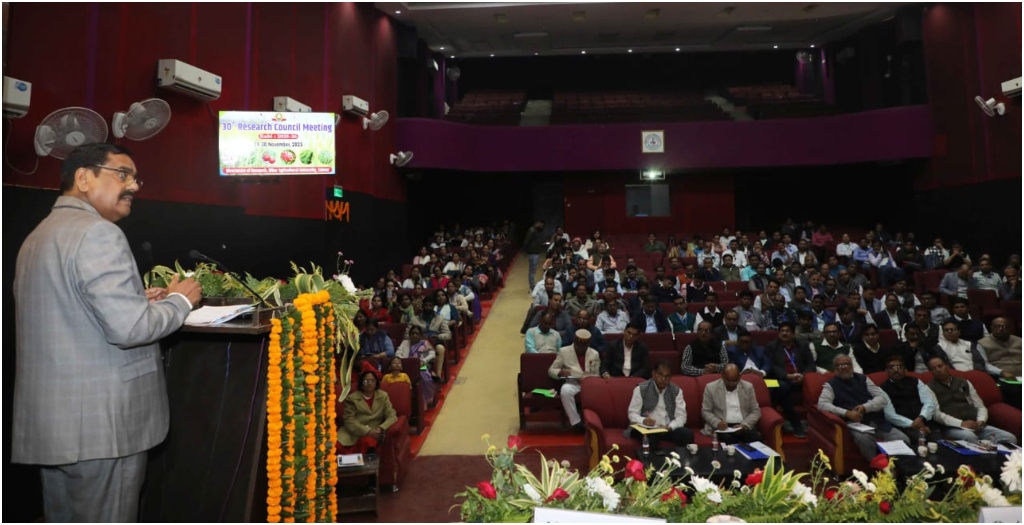

At the opening session, Director of Research Dr. A.K. Singh presented the university’s recent achievements. He stated that BAU has developed 48 improved crop varieties, received 31 patents, 20 copyrights, and one trademark, and earned five GI tags for local products, with 30 more in progress. Under the SABAGRI initiative, 174 start-ups have been trained, and 71 of them have received funding. The university has also signed MoUs with 17 prestigious institutions, showing its growing influence in agricultural research and innovation.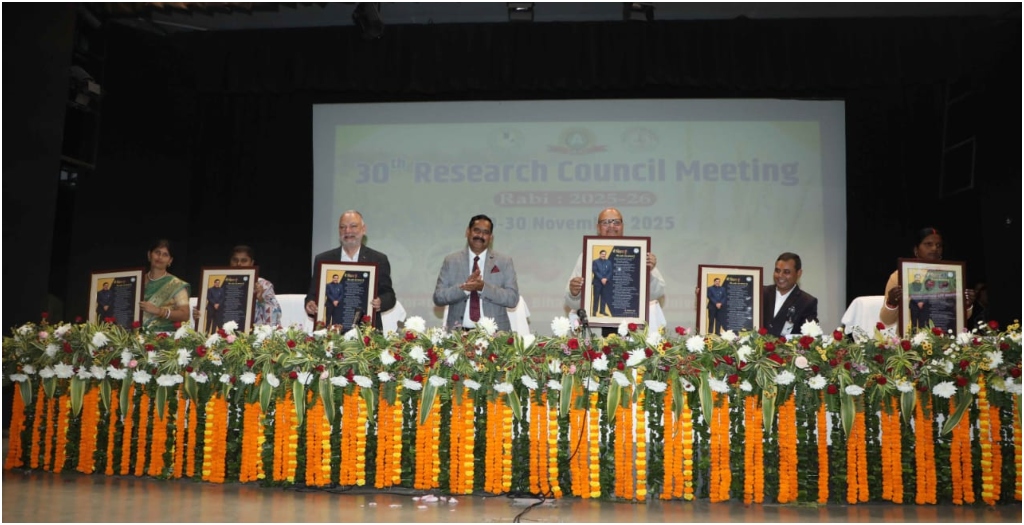
The women farmers shared their practical experiences in their respective fields. Seema Sinha spoke about her 15 years of work in jute cultivation and jute product production with support from the Jute Research Center and BPSAC, Purnia. Annu Kumari discussed her work in medicinal plant cultivation, while Rinku Devi highlighted her progress in vegetable production. Experts praised their participation, saying it inspires other farmers and shows how research and practical farming can work together to increase productivity and income. Dr. Shivay emphasized that agricultural research, incubation, and resource management are key for Bihar’s farming prosperity.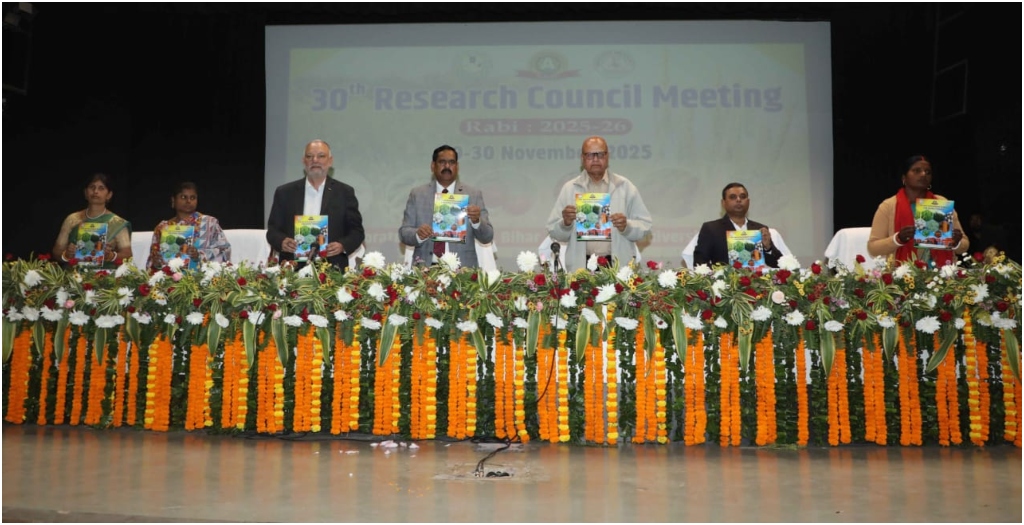

Vice Chancellor Dr. D.R. Singh addressed the audience, highlighting BAU’s progress and future plans. He mentioned the strengthening of NABL laboratories, which will soon serve as referral labs, and announced a logo competition for students on the theme “Low Cost, High Production.” He also stressed the importance of zone-specific projects, organic farming, digital soil mapping, and the creation of the Makhana Development Board. Presentations from various colleges, research centers, and departments covered plant breeding, agronomy, soil science, fruit and vegetable sciences, and floriculture. The two-day meeting aims to review research, discuss innovations, and plan strategies to benefit farmers and promote sustainable agriculture across Bihar.