Patna: The Bihar government is set to introduce artificial intelligence across its public distribution system (PDS) in an effort to tighten oversight of food grain distribution and reduce corruption, officials have said.

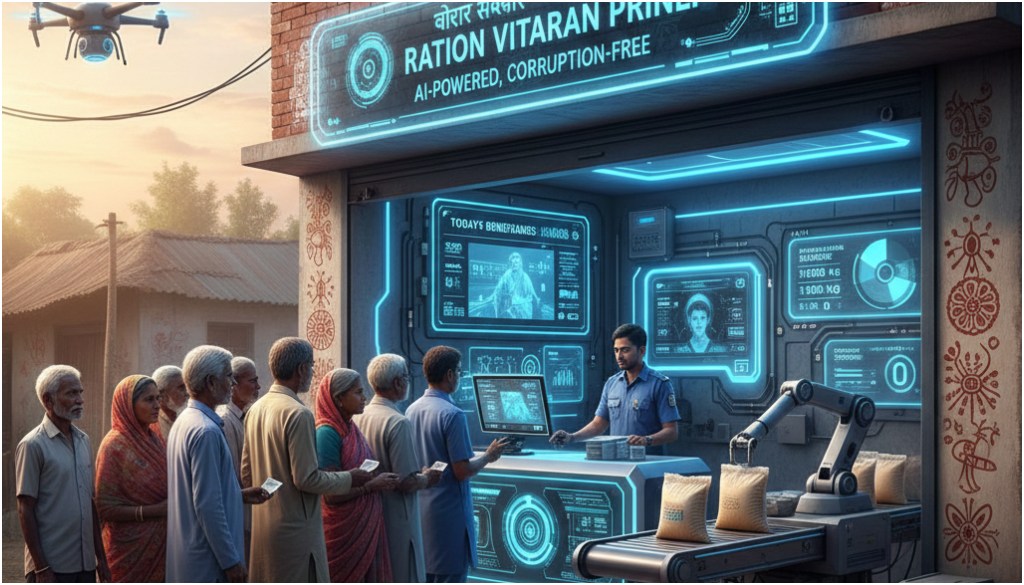
Under the plan, electronic point-of-sale (e-POS) machines will be integrated with digital weighing machines at all 55,111 existing fair price shops in the state, as well as at 5,000 new outlets that are to be opened. The Food and Consumer Protection Department has directed district magistrates and sub-divisional officers to expedite the establishment of the new shops.
Officials said the system would allow the government to track, in real time, the quantity of food grains dispensed to beneficiaries, ensuring that the correct amount reaches those entitled to subsidised rations under the National Food Security Act.

A senior official from the department described the integration of e-POS devices and weighing machines as a “long-awaited reform” that would remove manual errors and improve transparency. “Real-time identification of beneficiaries and automated recording of weight data will help ensure that people receive their full entitlement,” the official said.
The AI-enabled system will analyse transaction data uploaded from across the state to a central server. If the quantity of grain distributed is found to be below prescribed norms, alerts will be generated automatically at the control and command centre, enabling authorities to take swift action against irregularities.
The move is also intended to strengthen the implementation of the “One Nation, One Ration Card” scheme, which allows beneficiaries, including migrant workers, to access rations anywhere in the country. The government has warned that strict action will be taken against shop operators who deny rations to eligible cardholders.
To support migrant beneficiaries, information on eligibility and entitlements will be prominently displayed at each ration shop, officials said.
Addressing complaints about biometric failures, the government has announced that iris and facial recognition technologies will be introduced at ration shops where fingerprints cannot be authenticated due to wear or technical issues. Officials said this would ensure that no eligible beneficiary is denied rations because of authentication problems.
The state government said the AI-driven reforms would help curb leakage, prevent stock manipulation and improve accountability across the PDS, while safeguarding access to food for the poorest households.