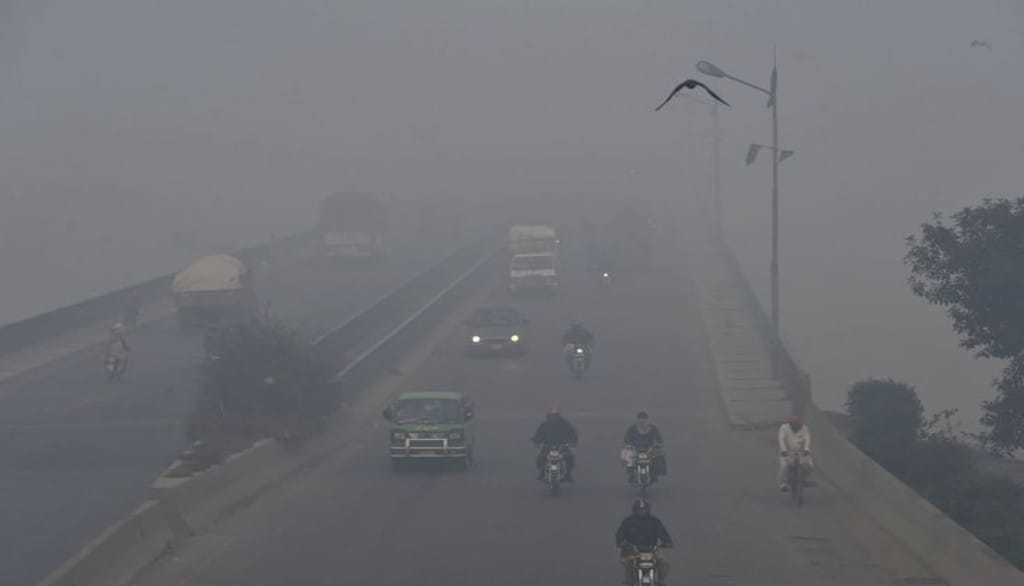
Patna: As winter settles across Bihar, a thick layer of pollutants is pushing air quality to dangerous levels in Patna, Gaya, Muzaffarpur, Bhagalpur and several smaller towns. Doctors say hospitals are now seeing a sharp rise in people reporting asthma attacks, breathlessness, chest pain and prolonged coughing — all linked to worsening air quality.

On most mornings this week, Patna’s AQI hovered in the ‘severe’ category, with Gaya and Muzaffarpur not far behind. Public health specialists warn that prolonged exposure to this polluted air can affect not just the lungs, but also the heart, brain, pregnancy health, skin, and even the body’s immunity.
Authorities have urged residents to avoid early-morning outdoor exercise, especially jogging, which forces more polluted air deep into the lungs. People with asthma, elderly family members and young children have been advised to stay indoors during peak pollution hours.

What polluted winter air does to the body
According to health experts, Bihar’s winter smog traps harmful gases and fine particulate matter — PM2.5, nitrogen dioxide, sulphur dioxide — that enter the body through the windpipe and trigger inflammation.
Some particles are so tiny that they enter the bloodstream, reaching vital organs and causing long-term complications such as:
-
heart disease
-
stroke
-
lung infections
-
memory decline
-
pregnancy complications
Doctors in Patna have warned that even healthy adults are now reporting throat irritation, tightness in the chest and sudden breathlessness.
Diseases linked to rising pollution in Bihar
Medical experts list several conditions now commonly linked with the state’s deteriorating air:
-
Asthma and sudden asthma attacks
-
COPD and chronic breathlessness
-
Lung cancer (long-term exposure)
-
Heart disease and high blood pressure
-
Stroke
-
Pneumonia, especially in children
-
Skin allergies and eczema
-
Neurological effects, including headaches and fatigue
Doctors in Patna’s AIIMS and IGIMS say outpatient departments are witnessing a spike in children and elderly patients needing immediate care.
Which pollutants are most harmful in Bihar’s air?
-
PM2.5 and PM10 from vehicle emissions, dust, waste burning
-
Carbon monoxide from congested traffic areas
-
Nitrogen dioxide from diesel vehicles
-
Sulphur dioxide from industrial clusters in Barauni and Begusarai
-
Ozone generated during sunny winter afternoons
Environmental scientists warn that Bihar’s combination of stubble burning, road dust, industrial smoke and winter inversion traps polluted air close to the ground.
How families in Bihar can protect themselves
✔ Dos
-
Use N-95 masks when stepping out
-
Keep windows closed during mornings and evenings
-
Install air purifiers if possible
-
Drink warm water and maintain good hydration
-
Include antioxidant-rich foods like amla, citrus fruits, haldi milk
-
Check AQI before planning outdoor activities
-
Avoid peak-traffic roads, especially in Patna
✘ Don’ts
-
Do not let children play outdoors during high AQI
-
Avoid early-morning walks
-
Do not burn household waste
-
Avoid sudden outdoor exercise during smog hours
A warning for the coming weeks
Bihar’s pollution levels are expected to worsen through December and January. Health experts are urging district administrations to tighten checks on waste burning, vehicle emissions and construction dust.
“Pollution is now a state-wide health emergency. Families must protect themselves, especially children and the elderly,” said a senior pulmonologist at IGIMS.