Patna: As the term of the 17th Bihar Assembly (Nov 2020–July 2025) ends, a comprehensive performance audit released by the Association for Democratic Reforms (ADR) and Bihar Election Watch has placed the legislative work of all 243 MLAs under sharp scrutiny. The report — compiled from RTI responses and official data — lays out a detailed “report card” on attendance, questions asked, legislative participation and party switching.

The findings paint a mixed picture of democratic engagement, highlighting both high-performing legislators and a group of five “silent” MLAs who did not ask a single question during the entire five-year term.
Assembly convened for only 146 days in five years
The 17th Assembly held 15 sessions, totalling 146 sittings — an average of just 29 working days per year. Several sessions wrapped up in as few as five sittings, raising questions about legislative productivity in a state with significant governance challenges.

22,505 questions asked — but uneven participation
Across the term, 251 MLAs (including those elected in by-elections) asked a combined 22,505 questions, averaging 179 questions per MLA. Yet, the distribution was far from uniform.
Top 5 most active MLAs
These legislators asked the highest number of questions:
-
Arun Shankar Prasad (BJP) – 275 questions
-
Manohar Prasad Singh (Congress) – 231 questions
-
Mukesh Kumar Yadav (RJD) – 230 questions
-
Ajay Kumar (CPI-M) – 229 questions
-
Ajay Yadav (RJD) – 226 questions
Five ‘silent’ MLAs: zero questions in five years
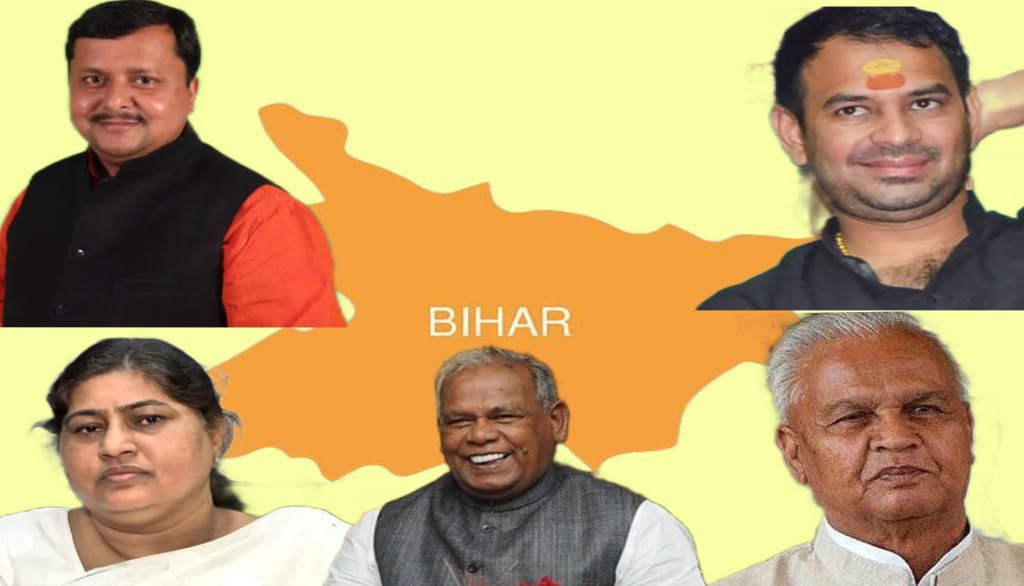
The report identifies five MLAs who did not ask a single question during the full term. The list includes several prominent political names:
-
Jitan Ram Manjhi – former chief minister (became MP in 2024)
-
Tej Pratap Yadav – former RJD MLA (now with Jan Shakti Janata Dal)
-
Nitin Nabin (BJP)
-
Bijendra Prasad Yadav
-
Lesi Singh
However, the report clarifies that some “zero-question” MLAs were serving ministers during the term. Ministers generally respond to questions rather than ask them, and their non-participation is not categorised as negligence.
Why question hour matters
ADR notes that participation in Question Hour offers a direct mechanism for MLAs to hold the government accountable, scrutinise public spending and raise constituency issues. Wide disparities in participation, therefore, highlight gaps in democratic oversight.
New Assembly, new expectations
The 2025 election has delivered a decisive mandate for the NDA, setting the stage for the formation of the 18th Bihar Assembly. As governance priorities reset, the report is likely to fuel fresh debate about transparency, performance metrics and whether legislative accountability should influence candidate selection.