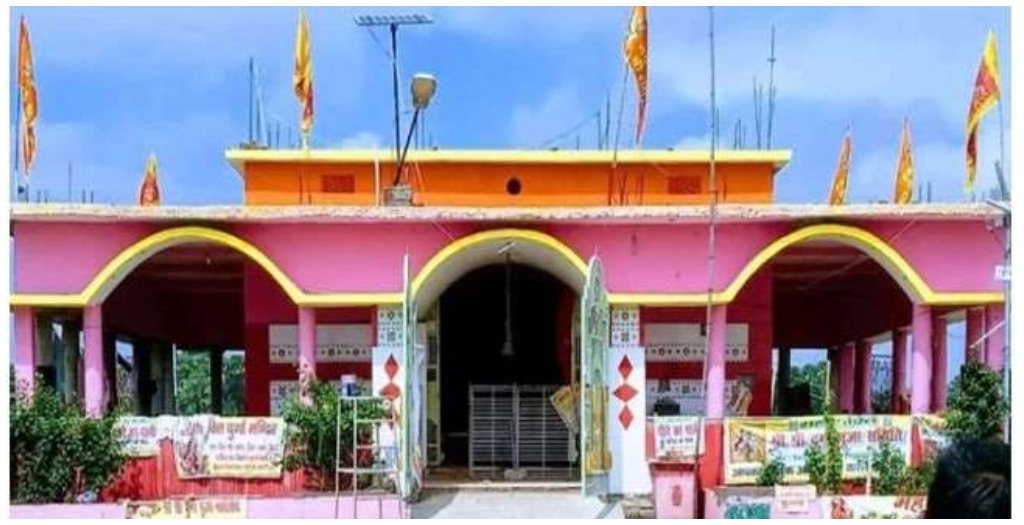
Nawada: In Bihar’s Nawada district, there is a temple where faith and patience go hand in hand. The Durga temple in Rewar village is famous not only in the state but also across India for a unique tradition. Here, devotees wait up to 15 to 20 years for their turn to worship Goddess Durga. The temple committee has already taken bookings until 2045. Those who register now will only get a number from 2046 onwards.

The tradition began in 1923 when a local landlord, Harshhay Lal, donated nine bigha of land to build a shrine after he was blessed with children. Later, Parmeshwar Dayal, a villager, began worshipping the Goddess in a small hut. Over time, the number of devotees grew so much that by 1990, the temple started keeping a register and giving numbers to those who wanted to sponsor the idol-making. Since then, anyone whose wishes are fulfilled takes a vow to make an idol of Goddess Durga and gets a place in the long queue.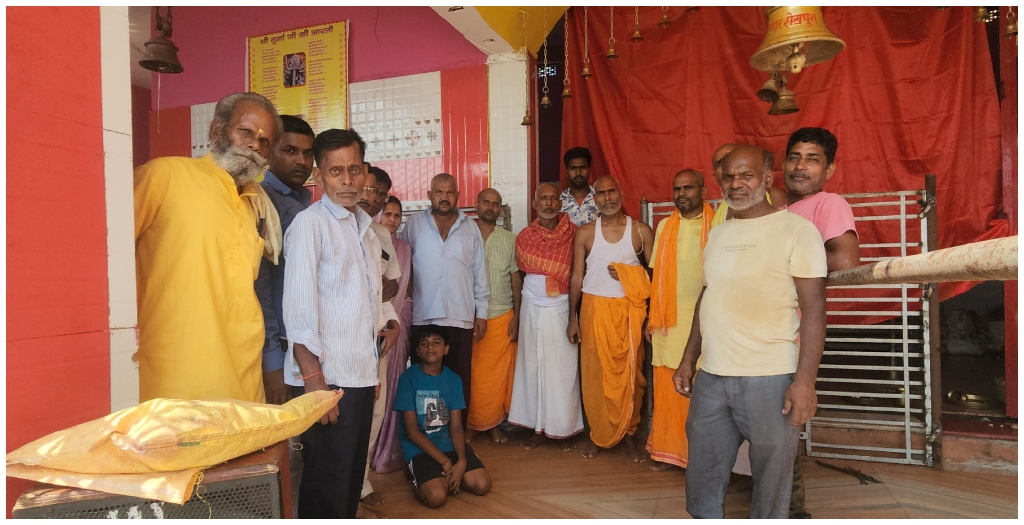
During Navratri, the rituals at this temple are elaborate and deeply rooted in tradition. On the eighth day, a clay idol of Goddess Durga is made and worshipped with great celebration. On the ninth day, around 600 to 700 goats are sacrificed before the idol. On Vijayadashami, the idol is immersed in water, but the skeleton of the idol is kept inside the temple and worshipped throughout the year. The decision of which devotee’s turn has come is taken in meetings held on Ekadashi, where villagers, priests, and temple committee members participate.

The worship also comes with high costs. In the past, families spent around Rs 1 to 1.5 lakh for the rituals. But with rising prices, the cost has gone up to Rs 5 lakh. This amount is fully paid by the devotee whose turn comes. Still, people wait happily, believing that the Goddess’s blessings bring prosperity. Devotees arrive not only from Bihar but also from Jharkhand, Bengal, Odisha, Uttar Pradesh, Delhi, Pune, and Karnataka. They often stay at the temple for nine days during Navratri and take part in every ritual. A grand fair is also organised during this period.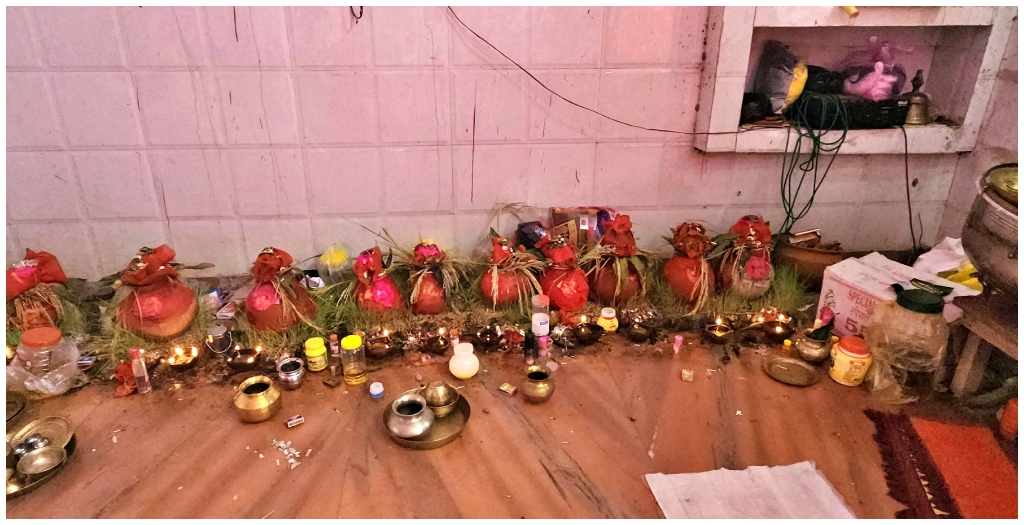
The stories of faith linked with this temple are many. Villagers believe that no one ever goes back empty-handed from the Goddess’s shrine. For example, Birju Prasad, a mason working in Delhi, applied for his turn in 2007. After 18 long years, this Navratri, his chance finally came. He says he will spend whatever is needed for the worship because “everything is given by Goddess Durga.” Another devotee, Reena Devi, said that earlier her family had no home of their own, but after praying at the temple, they now own houses both in Nawada and Delhi.
The temple is also looked after with the help of villagers like Varun Kumar Verma and Dular Devi, who dedicate their time and money to its upkeep. Many women from the village also take part in the rituals by leaving behind their household responsibilities for 10 days to immerse themselves fully in devotion. The temple receives donations in lakhs, which are used for maintenance and further development. For the villagers of Rewar and the thousands of devotees who visit every year, the long wait is seen not as a burden but as an act of devotion that brings peace, happiness, and prosperity.