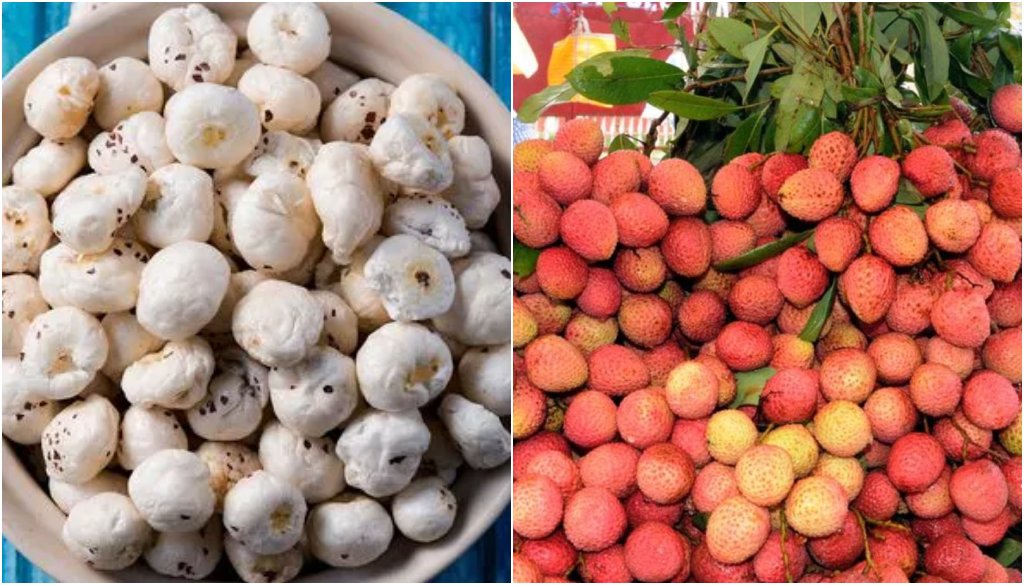
Patna: Bihar is set to establish export centres in every district as part of a major push to accelerate the international shipment of local products — from Madhubani paintings and makhana to litchis, silk and handloom goods. The state’s Industries Department says the initiative will allow goods to be processed, certified and dispatched abroad within 24 hours through the Bihta dry port, a move intended to boost incomes and position Bihar as a growing hub of global trade.

In what officials describe as a “low cost, high profit” strategy, the department is rolling out district-level export units that will directly coordinate with producers, oversee packaging standards and manage documentation. Currently, artisans and farmers often rely on centres in other states for testing, certification and packaging, stretching the export timeline from 10 to 45 days. The new system, supported by recently opened APEDA and customs clearance facilities in Bihar, is expected to reduce shipment times by up to 80%.
The plan marks the first time local goods will be exported directly from districts without detours through Patna or neighbouring states. Products including Madhubani and Tikulu paintings, stone and bamboo crafts, mangoes, bananas, silk, wood carvings and dairy-based textiles will be routed straight to Bihta before heading to ports that serve destinations such as Germany, Japan, China, the US and Thailand. Smaller consignments may be dispatched via air routes.

The move aligns with the state’s “One Block, One Product” scheme, designed to develop specialised production pockets. Muzaffarpur is being promoted as a litchi hub and Hajipur as a banana-processing centre, while other blocks will focus on their dominant crafts or produce. Officials say the aim is to strengthen brand identity, diversify rural livelihoods and expand job opportunities close to home.
Bihar already exports makhana and silk to more than 100 countries — including the US, Belgium, Russia, Brazil, Saudi Arabia and Canada — and demand for cotton textiles is rising in Africa and the Middle East. With district-level export infrastructure, the government expects these numbers to accelerate sharply.
Industries Minister Dilip Jaiswal said the reforms are designed to strengthen logistics, support local producers and make Bihar more self-reliant. He added that discussions are under way in Delhi to improve transport efficiency and expand district capacities. The state aims to rank among India’s leading export economies by 2030, with officials expecting significant gains for farmers, artisans and small enterprises.