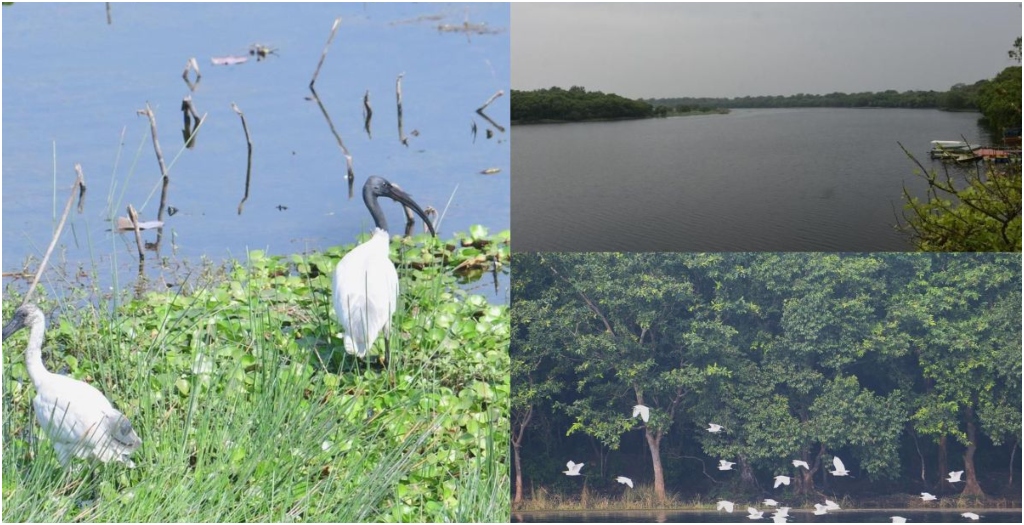
Buxar: Bihar has recently added two more wetlands to its list of Ramsar sites, bringing the total number in the state to five. The new sites include the Gokul Reservoir in Buxar district and Udaipur Lake in West Champaran district. Both sites are gaining attention for their natural beauty and importance to local wildlife. The recognition as Ramsar sites is also expected to promote tourism and support biodiversity conservation in the state.

Gokul Reservoir, spread over 448 hectares, is formed by the flooding of the Ganges River. During the monsoon, it fills with water and creates a picturesque landscape, while in the summer it becomes marshy land and is used for cultivation. The reservoir is home to more than 50 species of birds and provides important resources for local villagers, including fishing, irrigation, and farmland protection during floods. It is considered a vital part of the region’s ecosystem.
Udaipur Lake in West Champaran district is a natural oxbow lake surrounded by the Udaipur Wildlife Sanctuary. Covering 319 hectares, it is home to over 280 plant species and 35 species of migratory birds, including the vulnerable Common Pochard. The lake and its surroundings are an important habitat for wildlife and a scenic spot for visitors. Both wetlands highlight the ecological richness of Bihar and show the value of protecting natural habitats.

The addition of these two Ramsar sites is part of Bihar’s effort to develop its wetlands and attract more tourists. Officials hope that promoting these sites will encourage visitors to explore the state’s natural beauty while learning about the importance of wetland conservation. The recognition also benefits local communities, as eco-tourism provides opportunities for employment and sustainable development, creating a balance between nature and people.